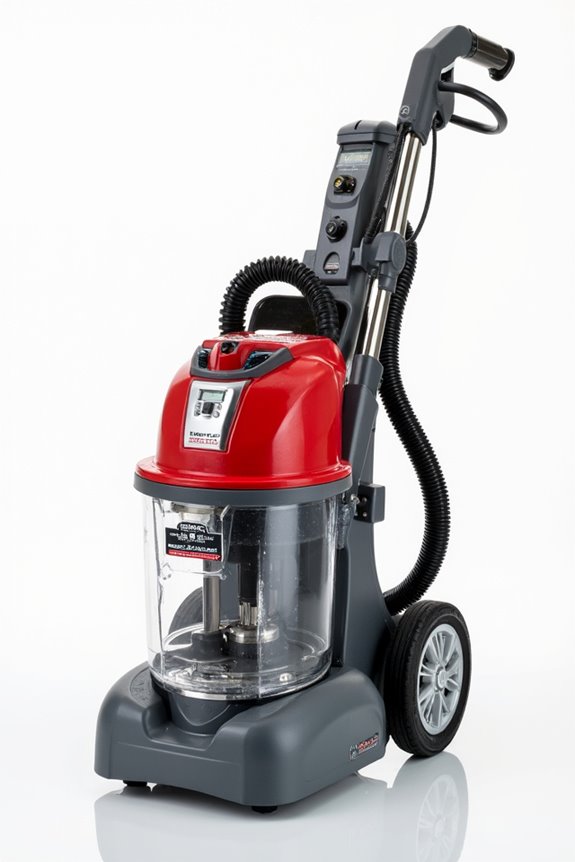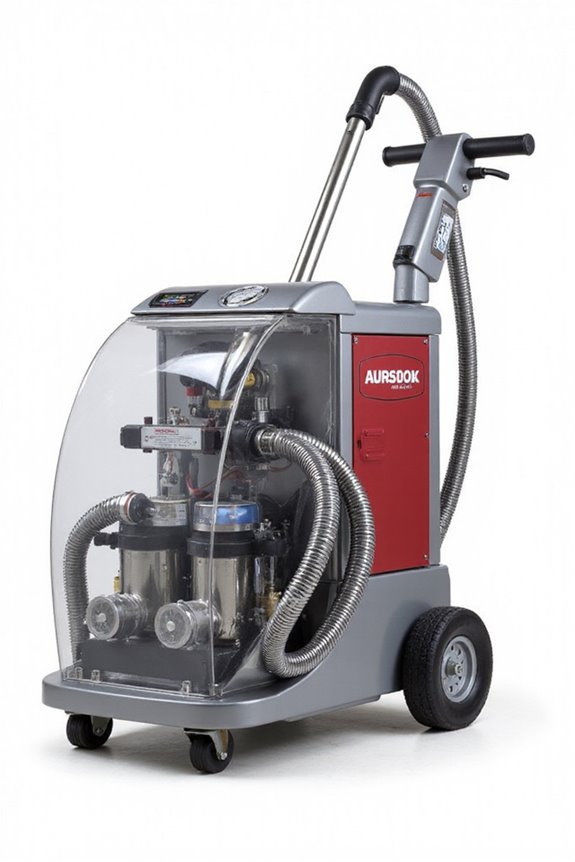

When estimating carpet cleaning costs, several factors come into play. First, we assess job size, where standard rooms (200–250 sq ft) often start at $30–40. Next, carpet type matters, with synthetic fibers being cheaper to clean than delicate ones. Then there’s the cleaning method; hot water extraction may cost more but is thorough. We also consider barriers, like furniture, which can complicate access. There’s more to learn about additional services and pricing models, so let’s explore further.
Key Takeaways
- Job size and square footage influence pricing; larger areas often have lower per-square-foot rates compared to smaller rooms.
- Carpet type significantly affects cleaning costs; synthetic fibers are typically cheaper to clean than delicate or heavily soiled carpets.
- The chosen cleaning method impacts estimates; hot water extraction is often more expensive than low-moisture cleaning.
- Labor factors, including crew size and technician expertise, can raise costs, especially for complex jobs requiring more skilled labor.
- Accessibility issues, such as heavy furniture or multi-level buildings, may require additional equipment or increase labor time, affecting the overall price.
Job Size and Square Footage
You may be interested


When it comes to carpet cleaning, understanding job size and square footage plays an essential role in determining costs. We usually assess job dimensions to develop an effective pricing strategy. For example, standard rooms up to 200–250 square feet may have a flat rate, around $30–40. In contrast, larger spaces are priced per square foot, typically between $0.20 and $0.40.
Here are a few key points:
- Large areas benefit from lower rates due to efficiency.
- Smaller rooms may incur higher costs per square foot due to complexity.
- Negotiation is often possible for larger jobs, leading to discounts.
- Accuracy in calculating cleaning efficiency improves pricing strategies and customer satisfaction.
Recommended Products
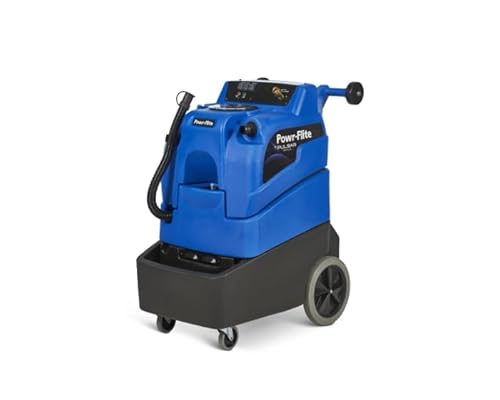
Powerful Deep Cleaning Performance: The Powr-Flite Pulsar Gamma 10-Gallon Carpet Extractor delivers 133 CFM airflow and 125" water lift, ensuring superior dirt and moisture extraction for faster drying times

ULTIMATE FOAM CONTROL: Experience unrivaled foam control with CarpetGeneral's Carpet Defoamer! Our high-performance, industrial-grade formula tackles unwanted foam for a deep clean carpet cleaner solution, preventing damage to your machines and ensuring residue-free results.

Three 2-stage vacuum motors for extremely powerful suction power
Carpet Type and Condition
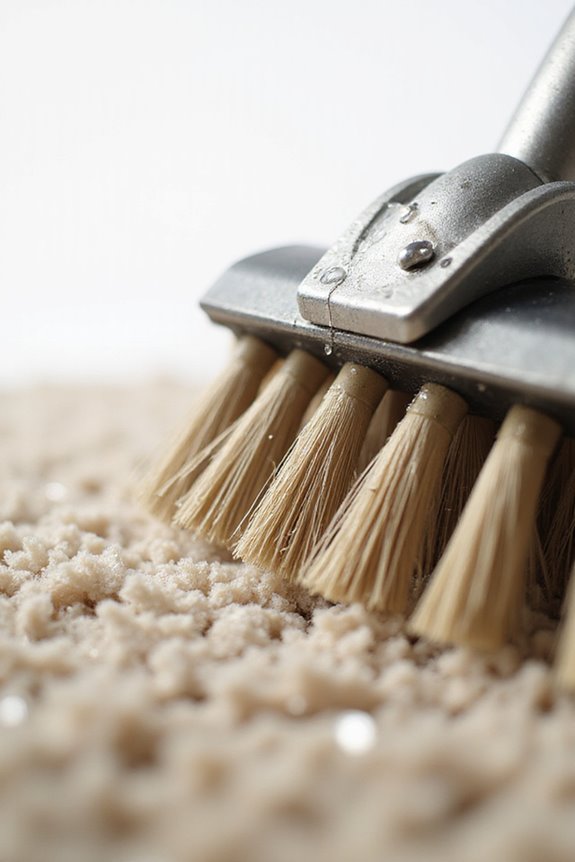
Carpet type and condition greatly influence cleaning costs and processes. Different fibers affect how we clean carpets. For instance, synthetic fibers like nylon are easier to clean and less expensive. In contrast, delicate wool or silk fibers require careful handling due to their sensitivity, leading to higher costs.
We must also consider the carpet’s condition. Heavily soiled carpets often need intensive cleaning techniques, adding extra time and expense. Additionally, pet stains may require specialized deodorizing treatments. Not only do older carpets hold embedded dirt, but their texture can complicate cleaning. Selecting cleaners with targeted formulas for specific stains can further enhance the effectiveness of the cleaning process.
Recommended Products

Textured Stripe Pattern Ivory/Gray Wool Area Rug - SCR10

Counter-Rotating Brushes (CRB) – Extra-wide 19.5" brushes spinning at 450 RPM attack dirt from all sides, opening carpet fibers and extracting embedded grit, hair, and debris that vacuums leave behind.

City chic collection the city chic rug collection by Michael Amini embodies hair on hide distressed with a metallic finish
Cleaning Method and Frequency

Understanding the right cleaning method and frequency is essential for maintaining your carpet’s appearance and longevity. The choice of cleaning technology can greatly affect estimates and overall care.
- Hot Water Extraction: This method deeply removes soil and allergens but may cost more due to specialized equipment.
- Low-Moisture Cleaning: Ideal for high-traffic areas, it’s affordable but requires regular deep cleaning for best results.
We recommend maintaining a cleaning schedule based on room type. For example, living rooms need professional cleaning every 6 to 12 months, while bedrooms can be done annually. Adhering to these maintenance schedules not only improves the carpet’s lifespan but also minimizes long-term costs. Regularly vacuuming keeps your carpet looking fresh and extends the time between deep cleanings. Additionally, using high suction power machines can enhance dirt removal and decrease the need for frequent cleanings.
Recommended Products

High-Efficiency Cleaning: boasts a 34" brush cleaning path and 38.8" squeegee vacuuming width, ensuring comprehensive cleaning for large floor areas with a working efficiency of 75,000 sqft/h.
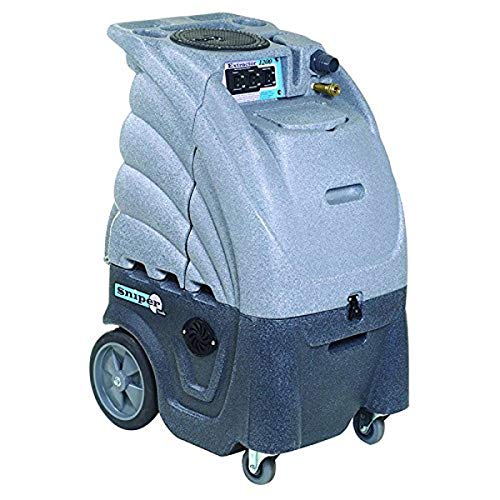

High-Speed Roller Brush: Ten times higher contact pressure than manual cleaning. The roller brush also cleans structured surfaces and joints and assists forward movement for easy cleaning.
Labor and Crew Factors

Every aspect of carpet cleaning, from the method chosen to the labor involved, greatly impacts the overall cost and efficiency of the job. Understanding the crew composition is vital because larger crews can speed up the process, but they also increase expenses. Skilled technicians tend to command higher wages due to their expertise in handling labor-intensive tasks.
To get an accurate estimate, we need to take into account various factors:
- Crew Size: The number of workers assigned directly affects labor costs.
- Labor Intensity: More complex jobs like heavy stain removal require skilled individuals, which can raise charges.
- Time Management: Efficient operation not only guarantees quality but can also decrease total labor hours, reducing costs. Additionally, using powerful suction capabilities can significantly enhance cleaning efficiency on carpets.
Every detail matters in estimating labor for a successful carpet cleaning project!
Obstacles and Accessibility

When tackling carpet cleaning, it’s essential to contemplate various obstacles and accessibility issues that can affect the process. Physical barriers, like heavy furniture or architectural features, complicate access to certain areas. This means we might need additional cleaning strategies, such as utilizing portable machines for tight spaces, guaranteeing thorough cleaning without damaging delicate items.
In multi-level buildings, we often face challenges with transporting equipment. Limited elevator space can restrict our choices, while maneuvering stairs can increase labor time. To streamline our efforts, we must plan carefully, factoring in the layout, any clutter, and environmental conditions. Additionally, opting for models with higher tank capacity can significantly reduce the frequency of refills, thereby enhancing our overall efficiency during the cleaning process. This thorough approach helps us guarantee an effective and efficient cleaning, meeting your needs while addressing logistical hurdles.
Pricing Models and Calculation Approaches
Maneuvering obstacles during carpet cleaning can heavily influence our pricing models and calculation methods. We often use various pricing strategies like square foot pricing, which ranges from $0.20 to $0.40 per square foot. This approach works well for large areas with different traffic levels. Alternatively, per-room pricing provides predictable costs for residential customers, while hourly rate pricing allows for transparency in labor costs.
A competitive analysis of these models helps us optimize our services. We also consider production rates to determine cleaning times accurately, ensuring both efficiency and quality. Additionally, understanding the drying time after using a wet cleaner is crucial in providing effective service, especially for homes with pets. Ultimately, effective pricing not only covers our expenses but also enables us to achieve our target profit margins while keeping our offerings attractive to customers.
Recommended Products
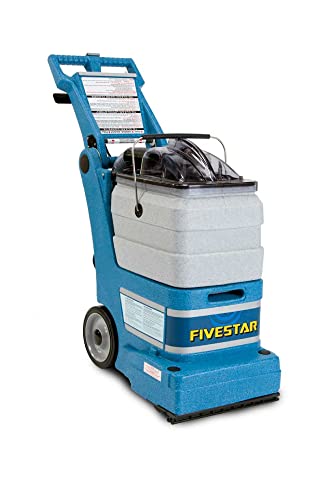
Patented self-adjusting, self-leveling brush and vacuum shoe for easy cleaning of all carpet lengths, plus longer brush life.

Includes: PFX900S Commercial Carpet Cleaner with compact polyethylene body, 2 Removable Spray Jets for even spray pattern, and a Front Connection for an Optional Upholstery Tool; Exactly what you need to deep clean carpets, area rugs
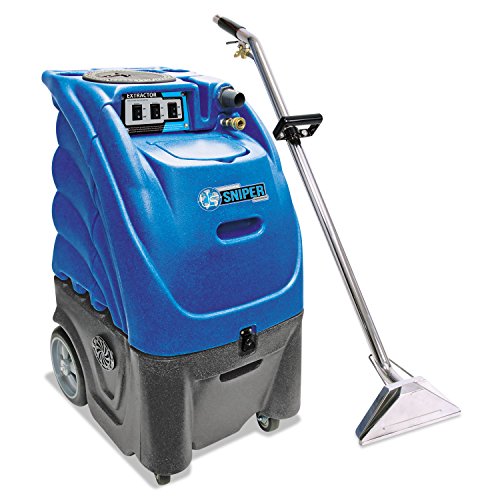
Easy-fill 12-gallon detergent solution tank with “Quick-Dump“ 12-gallon recovery tank.
Special Needs and Additional Services
Special needs and additional services in carpet cleaning play a critical role in ensuring customer satisfaction, especially in homes with unique challenges. When we encounter heavily soiled areas, for instance, we often rely on specialized techniques, which include pre-treatments to enhance cleaning effectiveness.
Here are some additional services you might consider:
- Odor removal: Often bundled, but can be extra.
- Stain prevention: Involves applying protective treatments that shield carpets from future stains.
- Pet stain removal: This requires specialized solutions and techniques to tackle tough marks.
Recommended Products

Target Odors: Our all-purpose cleaner and deodorizer fights heavy-duty odors from workplaces and residences. This gallon container size is convenient for use in the home, business, or at the vet.
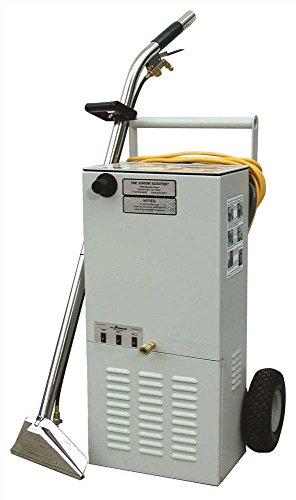
Namco -- 50 ft

Revolutionary OmniGrip Mechanical Arm – A Robotic Cleaner & Helper: Experience the robotic vacuum with a five-axis mechanical arm. The OmniGrip arm moves obstacles, lifts objects, and even organizes small household items like socks and tissues. Equipped with dual cameras, LED lighting, and precision sensors, it ensures accurate object handling. The arm features a gentle-grip design and a built-in weight sensor to prevent excessive squeezing, capable of handling objects up to 300g with ease
Frequently Asked Questions
How Can I Prepare My Home for Carpet Cleaning?
To prepare my home for carpet cleaning, I focus on furniture removal and pet preparation. I clear valuable items, store furniture safely, and make certain my pets are secured away from the cleaning process for safety.
What Certifications Should I Look for in Cleaning Companies?
When choosing a cleaning company, I look for industry certifications. They’re important as they guarantee the company adheres to industry standards, demonstrating their commitment to quality and safety in carpet care. It gives me peace of mind.
Do Cleaning Products Used Affect Allergies or Sensitivities?
While some cleaning product ingredients can exacerbate allergies, allergy-friendly options are available. I always prefer using these to keep my space safe and comfortable, ensuring my health and well-being are prioritized during cleaning.
How Often Should Carpets Be Cleaned for Optimal Maintenance?
I recommend cleaning carpets every 6 to 12 months for ideal maintenance. Seasonal considerations, like increased allergens in spring, often drive my frequency recommendations, especially if I have pets or high foot traffic in my home.
Can I Stay in My Home During the Cleaning Process?
Yes, you can stay in your home during the cleaning process. I find it safe, considering the industry’s non-toxic products. Just be aware of the cleaning duration and keep an eye on pets or kids.