If you’re considering a carpet height adjustment, it’s essential to assess a few factors first. Low-pile carpets, measuring under 0.25 inches, are great for high-traffic areas due to their durability and ease of cleaning. Conversely, high-pile carpets, over 0.5 inches, provide plush comfort but require more maintenance. Medium-pile carpets strike a balance, making them versatile for various spaces. Ensuring your carpet complies with accessibility standards is important, and there’s much more to explore on carpet selection.
Key Takeaways
- Evaluate if the carpet height meets ADA standards, ensuring it does not exceed ½ inch for accessibility compliance.
- Check for safety hazards like curling edges, particularly in high-pile carpets, which need regular maintenance inspections.
- Consider maintaining low-pile carpets as they resist dirt buildup, reducing the need for frequent adjustments compared to high-pile carpets.
- Assess the function of the space; choose a pile height that balances durability for high-traffic areas and comfort for relaxing environments.
- If transitioning between rooms with different heights, adjustments like beveled edges may be needed to prevent tripping hazards.
Understanding Carpet Pile Heights
You may be interested


When we talk about carpet pile height, we’re diving into a key characteristic that affects both comfort and appearance. Pile height refers to the length of carpet fibers from the backing to their tips and is measured in inches or millimeters. Carpets are typically classified into three types: low pile (under 0.25 inch), medium pile (0.25 to 0.5 inch), and high pile (over 0.5 inch).
Understanding these levels helps us choose the right carpet types based on room use. For instance, low pile carpets, made from durable fiber materials, are ideal for high-traffic areas because they resist wear. In contrast, high pile options provide a plush feel, perfect for comfort in spaces like bedrooms. Accurate measurements are critical for ensuring a perfect fit. Additionally, the choice of carpet can impact cleaning mechanism efficiency, influencing how easily dirt and stains are removed during maintenance.
Low-Pile Carpet: Characteristics and Benefits

Low-pile carpet is a practical choice for many households and commercial spaces alike. Its short, dense fibers create a smooth, firm surface, making it ideal for high-traffic areas. One of the key low pile advantages is its durability; it resists wear and tear better than other types. This means it retains its appearance longer, even under heavy use.
Maintenance is also straightforward. Low-pile carpets are easier to vacuum since dirt doesn’t embed deeply. Plus, they’re less likely to trap allergens, supporting improved indoor air quality. With a variety of colors and styles available, low pile carpets offer aesthetic flexibility, making them a strong option for both residential and commercial designs. Additionally, using a vacuum with advanced filtration systems can help capture allergens and dust, enhancing the overall cleanliness of your home.
Recommended Products

Counter-Rotating Brushes (CRB) – Wide 15.5" brushes spin at 450 RPM, lifting debris from every angle and opening the pile for a deeper, more thorough clean than vacuums or rotary machines.

DREAME's Thinnest Robot Vacuum at 3.13in (7.95cm): At just 3.13in (7.95cm) slim, X60 Max Ultra Complete redefines what a robot vacuum can reach. It glides under sofas and beds with ease, reaching hidden dust in low spaces where traditional cleaners get stuck.

Professional textile cleaning: The Kärcher Puzzi 10/1 is a professional-grade carpet, upholstery, and textile flooring cleaner designed to deliver effective and thorough cleaning results
High-Pile Carpet: When Comfort Takes Priority

High-pile carpet, known for its plush texture and luxurious appearance, often becomes the go-to choice when comfort is our priority. These carpets provide a luxury feel underfoot, ideal for creating cozy spaces in our homes. The taller fibers offer sensory comfort, making them perfect for bedrooms and living rooms where relaxation is key.
Here are some key benefits:
- Softness: The deep cushioning invites us to lie down or relax easily.
- Style: High-pile carpets enhance interior aesthetics, adding richness and elegance to our decor.
- Insulation: Their thickness helps retain warmth and dampen noise, contributing to a quieter, more comfortable environment.
- Suction Efficiency: Choosing the right vacuum cleaner with superior suction power can further maintain the plush quality of high-pile carpets.
Investing in high-pile carpet can transform our spaces into inviting, plush retreats that prioritize our comfort and well-being.
Recommended Products

Fast and Vast: Is a small machine forcing your team to work twice as long on large floors? This heavy duty vacuum cleaner, assembled in the USA, clears a 30-inch path to finish 29,000 square feet an hour so you can get the job done faster

Powerful cleaning: Bagged canister vacuum cleaner for all types of floors, with an improved Power Efficiency Motor and high suction of 1200 watts, to efficiently eliminate dust from your home
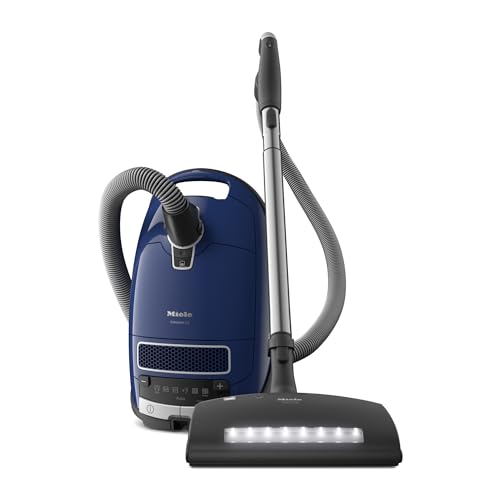
POWERFUL AND QUIET: Bagged canister vacuum optimal for all flooring types with an Electrobrush with LED headlight for carpets and Parquet floorhead for smooth flooring
The Advantages of Thick Carpets

Thick carpets offer a variety of advantages that enhance both the functionality and comfort of our spaces. First, they excel in sound absorption, effectively dampening noise like footsteps and voices, creating a quieter environment. This is especially valuable in bedrooms and home offices.
Additionally, thick carpets provide excellent thermal insulation, trapping warm air and helping maintain a comfortable temperature while potentially reducing energy costs.
We also enjoy comfort cushioning, as the plush texture enhances the softness underfoot, making walking more pleasant and safer for children and the elderly.
Lastly, their durability benefits make them resilient against wear and tear, preserving both appearance and floor integrity. Plus, they add aesthetic appeal, enriching our rooms with depth and texture. Furthermore, the extensive advantages of thick carpets align with the needs of pet owners who require effective cleaning solutions for a comfortable home.
Recommended Products
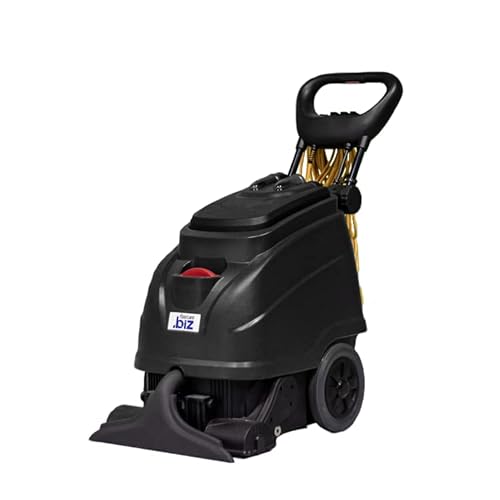
Superior Cleaning Performance: The USA-CLEAN X16CE carpet extractor features a 16-inch cleaning path and powerful vacuum motor, delivering high-performance results. Ideal for cleaning carpets, upholstery, and textiles with fast drying times.
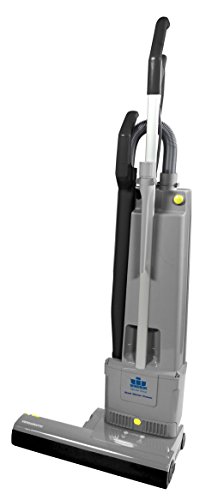
Windsor Versamatic 18 dual motor vacuum for commercial cleaning

Sturdy and Robust: Deep cleaning two-motor vacuuming power with an electronic clutch that protects the motor and belt
Medium-Pile Carpets: The Perfect Balance
When considering the ideal flooring solution for our homes, medium-pile carpets strike an impressive balance between comfort and practicality. With a fiber height between 1/4 inch and 1/2 inch, they offer softness without excessive plushness. This makes them perfect for living rooms, bedrooms, and dining areas, where moderate foot traffic occurs.
Key Benefits:
- Design Aesthetics: Medium-pile carpets enhance visual depth and texture for a sophisticated look.
- Practical Applications: They effectively mute sound while allowing ease of movement, which is great for busy homes.
In addition, their lower tendency to trap pet hair makes them practical for households with furry friends. Overall, medium-pile carpets are versatile, appealing, and suitable for various environments. They also provide great compatibility with products like carpet spot cleaners for maintaining cleanliness.
Recommended Products

UP TO A MONTH OF HANDS-FREE CLEANING AND MAINTENANCE: The robot automatically empties debris into the 60-day-capacity bin, automatically refills its own water tank for up to 30 days, and washes and dries the mopping pad after every clean.

Powerful cleaning: Bagged canister vacuum cleaner for all floor types, especially heavy duty carpets, with a high suction power of 1200 watts to efficiently eliminate dust from your home
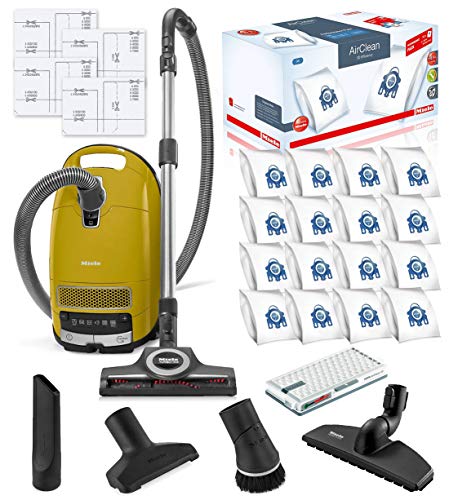
Bundles Includes - Miele's AH50 GN Performance Pack - Comes With 16 Genuine Miele GN Airclean FilterBags, 1 Genuine Miele HEPA Air Clean Filter AH-50 and 4 Pre-Motor Protection Filters
Factors Influencing Carpet Height Adjustment
Understanding the factors influencing carpet height adjustment is essential for making informed choices about flooring. Several key elements play a role, such as installation techniques and carpet materials.
- Pile Height: Shorter piles, around 1/2” or less, are more durable and easier to maintain, especially in high-traffic areas.
- Density and Face Weight: A higher density improves durability without increasing pile height, ensuring longevity.
- Gauge and Pitch: These determine how tightly fibers are packed, affecting both performance and appearance.
Each factor impacts cleaning efficiency too. For instance, low-profile carpets work best with lower vacuum settings, preventing wear. Understanding these aspects helps us choose the right carpet that balances both comfort and practicality. Additionally, selecting a vacuum with height adjustment settings can enhance cleaning effectiveness on various carpet types.
Accessibility Considerations for Carpet Height
Accessibility considerations for carpet height are essential, especially in spaces that need to accommodate everyone. We must guarantee carpet height complies with ADA standards, with a maximum pile height of ½ inch for ideal wheelchair maneuverability. Using firm backing without soft padding reduces rolling resistance, making it easier for users with mobility aids.
Moreover, we need to prioritize carpet edge safety. Exposed edges should be securely fastened and trimmed, preventing curling that could lead to falls. If edges exceed ¼ inch in height, beveled treatments are required to guarantee smooth changes. Regular maintenance to inspect for buckling assures a safe environment for all users. Let’s work together to create accessible spaces that everyone can navigate comfortably!
Ensuring Smooth Transitions With Carpet Height
Smooth changes between carpeted areas and other flooring types aren’t just about aesthetics; they directly impact safety and usability. When we consider transition strip materials, it’s crucial to pick the right options for different carpet pile heights. Ideally, we want height differences to stay under 1/4 inch for seamless transitions. If we’re working with variations from 1/4 inch to 1/2 inch, using beveled edges is mandatory for safety.
Here are a few key points to remember:
- T-Molding works well for minimal height differences.
- Reducer strips smooth transitions from wood to carpet.
- Always verify carpet edges are securely fastened to prevent warping, boosting pile height safety. This helps create a secure, level walking surface.
Cleaning and Maintenance: The Impact of Pile Height
When considering carpet pile height, we should think about how it affects both cleaning and maintenance routines. Higher pile carpets trap dirt deeper, which requires increased cleaning frequency. We need to vacuum more often, sometimes leading to professional cleaning for effective maintenance.
On the other hand, low pile carpets resist dirt embedding, making routine cleaning simpler and more efficient. Here are some key points to remember:
- High pile: Requires intensive care, frequent vacuuming, and annual professional cleaning.
- Low pile: Easier to maintain, needing only standard vacuuming for dirt removal.
Choosing the Right Pile Height for Your Space
Choosing the right pile height for our carpet can greatly impact both the look and functionality of a space. When selecting, we should consider the carpet’s use and the environment. For high-traffic areas, like offices, short pile (under 12 mm) is best due to its durability and ease of cleaning. Conversely, high pile carpets create comfort in low-traffic spaces, like bedrooms, where softness matters.
Let’s discuss texture variety and color selection. Medium pile carpets offer a balanced feel, providing both comfort and durability, and are suitable for living rooms. Meanwhile, high pile types, like Saxony, bring warmth and luxury. By choosing wisely, we enhance our space’s aesthetics while ensuring practicality.
Recommended Products

You can get eufy E28 + Replacement Parts Kit as a bundle

Autonomous Cleaning with Self-Washing Roller Mops and HydroJet System: Enjoy hands-free operation as the robot self-cleans the roller mops 2 times per second in real-time, ensuring continuous freshness for seamless whole-home cleaning.

Powerful 700 Airwatts Central Vacuum with 35ft Low Voltage hose and premium turbo brush accessory kit included
Frequently Asked Questions
How Can I Determine My Ideal Carpet Pile Height?
Choosing the right carpet pile height’s like picking the perfect shoe—comfort is key. I’ve learned that low piles ease carpet maintenance, while high piles offer plush benefits. Find your balance to suit your space’s needs!
Can I Install Low-Pile Carpet in a Bedroom?
Absolutely, I can install low-pile carpet in my bedroom! It enhances bedroom aesthetics with a modern look and makes carpet maintenance a breeze, as it’s easy to clean and minimizes allergens lurking beneath.
What Tools Are Needed for Adjusting Carpet Height?
When adjusting carpet height, I rely on essential carpet tools like flat shearing machines and stretchers. These allow me to achieve precise height adjustments, ensuring an even, professional finish on my carpets.
Will Carpet Height Impact My Home Insurance Premiums?
I’ve found that carpet height doesn’t really impact insurance premiums. While safety is important, insurance considerations focus more on structural risks. So, adjusting carpet height mainly enhances comfort, not insurance costs.
How Often Should I Replace My Carpet Based on Pile Height?
When I think of carpet lifespan, it’s fascinating how pile durability varies. High-pile carpets may need replacement every 5–7 years, while low-pile types can last up to 15 years—definitely a trade-off worth considering.