Continuous steam flow rate is the mass of steam passing through a system over time. We can calculate this using the formula ( dot{m} = rac{dm}{dt} ), which helps us maintain energy balance. Understanding steam flow guarantees efficient heating and ideal performance in processes. For example, accurate flow rates enhance heat transfer and control pressures, essential for system reliability. Keep in mind, different factors influence steam consumption, and learning how they interact helps improve overall efficiency.
Key Takeaways
- Continuous steam flow rate is the mass change over time, essential for energy balance in steam systems.
- Accurate steam consumption estimation relies on direct flowmeters and understanding heat transfer equations.
- Variations in steam pressure significantly impact thermal stability and latent heat, affecting flow rates.
- Properly sizing steam pipelines and valves enhances flow management and system performance.
- Monitoring steam flow, pressure, and secondary fluid flow ensures efficient heating operations.
Principles of Steam Mass Flow Rate Calculation
You may be interested



When we think about calculating the mass flow rate of steam, it’s important to start with the basic formula. We need to use ( dot{m} = frac{dm}{dt} ), where ( dm ) is the mass change and ( dt ) is the time change. Understanding mass flow is vital for an accurate energy balance in systems using steam. To convert volumetric flow to mass flow, we multiply the volumetric flow by the steam’s density, which indicates its energy content. Accurate flow measurement devices, like flowmeters, play an essential role but depend on maintaining specific conditions. The efficiency of steam cleaning can be influenced by steam pressure affecting how effectively dirt and grime are removed.
Heating Applications and Steam Flow Rate

Heating applications rely heavily on the flow rate of steam, which can be a game changer for efficient operations. By controlling the steam flow, we can increase steam efficiency and guarantee proper heat transfer rates. For instance, a higher flow rate boosts the latent heat available, which raises the temperature of our secondary fluid faster.
When adjusting the steam flow, it’s important to evaluate steam pressure variations that affect latent heat. This guarantees our process maintains thermal stability, keeping temperatures consistent in continuous heating scenarios.
In practice, effective balance between steam flow, pressure, and secondary fluid flow is vital for achieving the desired product temperature rise. Monitoring these factors helps us maintain peak performance in our heating applications, enhancing overall efficiency. Additionally, understanding the high steam temperatures from steam cleaners can significantly improve cleanliness and sanitation in various heating processes.
Recommended Products

Top mounted vents dissipate the hottest air

【Large Capacity】Designed with a 50.7oz large capacity water tank, this steam cleaner for car with a 16ft long power cord provides up to 50 minutes steaming time, which is ideal for whole-home cleaning without interruption
Pipeline Sizing Considerations for Steam

Properly sizing steam pipelines is essential for efficient system performance, especially as we consider factors like pressure drop and steam velocity. When we size pipelines, we often use two methods: the velocity method and the pressure drop method. The velocity method assumes a certain steam velocity, helping us determine the pipe’s diameter. Conversely, the pressure drop method keeps pressure loss within acceptable limits.
We need to keep steam properties in mind, too. For instance, recommended velocities typically range from 15 to 40 m/s. If we exceed these limits, we risk erosion and noise issues. Properly accounting for these factors guarantees ideal pipeline flow and enhances our steam system’s reliability and efficiency, ultimately saving energy and reducing maintenance challenges. Additionally, implementing effective filtration methods can significantly improve the overall performance of a steam system by reducing contaminants.
Valve Sizing and Equipment for Steam Flow

Valve sizing and equipment play an essential role in ensuring effective steam flow in any system. Choosing the right valve types is vital; for example, globe valves are great for higher pressure drops, while butterfly and ball valves work well for lower pressure ratios.
Here are some key considerations:
- Pressure Drop: We size valves based on the pressure difference between inlet and outlet, particularly above 10 psig.
- Cavitation Control: Selecting valves with proper cavitation allowances prevents damage and enhances flow stability.
Using calculations like Cv values helps determine the right valve size to avoid flow restriction or poor regulation. In addition, the cleaning power concentration of the steam system is critical, as it influences overall efficiency and effectiveness. Remember, correct sizing and valve type maintain the system’s efficiency and longevity.
Estimating Continuous Steam Consumption
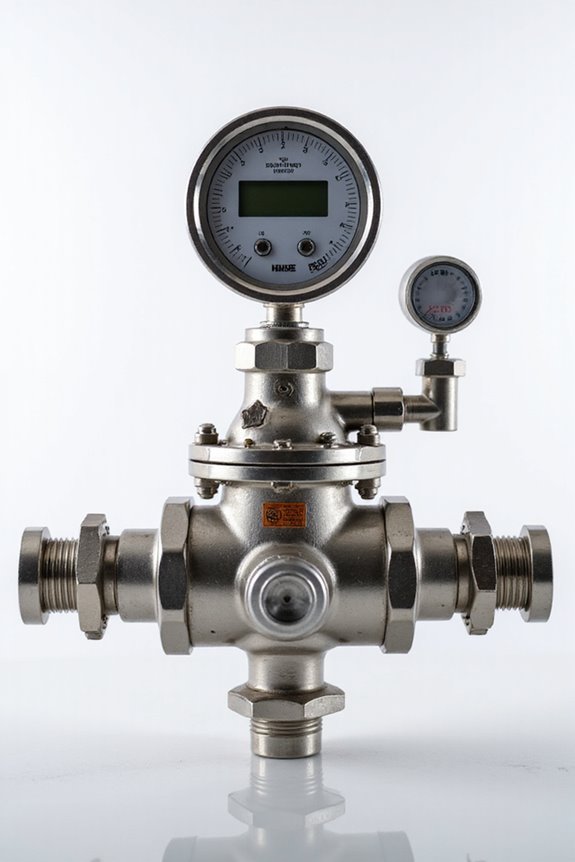
Estimating steam consumption isn’t just about knowing how much steam we need; it’s about ensuring our process runs efficiently. We often consider steam demand, which fluctuates due to various factors like process loads and equipment inefficiencies. To accurately gauge consumption, we can use different measurement techniques, including direct steam flowmeters that provide real-time data.
Additionally, calculating based on heat transfer equations helps us understand theoretical needs. Here are key points to remember:
- Use condensate measurement for indirect estimates.
- Historical data offers useful benchmarks for enhancing accuracy.
- It’s also beneficial to recognize that adjustable heat steam cleaners provide flexible steam levels for diverse cleaning applications.
Frequently Asked Questions
What Is the Difference Between Saturated and Superheated Steam?
When I think about saturated steam versus superheated steam, it’s clear that saturated steam condenses easily, while superheated steam carries extra energy, making it better for turbines but less efficient for direct heating applications.
How Can Steam Velocity Affect System Efficiency?
Imagine steam racing through pipes like a wild river. I’ve seen how steam dynamics affect efficiency; velocity impact can create turbulence that increases energy loss and maintenance woes. Managing that balance is essential for peak performance.
What Are Common Steam Flow Measurement Instruments?
When it comes to flow measurement, I’ve encountered several instrument types. Common ones include orifice plates, variable area flow meters, rotary vane, and turbine flow meters; each serving unique roles in ensuring accurate steam flow measurement.
How Does Steam Quality Impact Heat Transfer?
Imagine a vintage steam locomotive chugging along—steam quality’s vital. Low-quality steam diminishes thermal conductivity, hindering effective heat transfer. Moisture droplets create resistance, affecting overall efficiency. Keeping steam properties ideal’s essential for maintaining peak performance.
What Safety Measures Prevent Water Hammer in Steam Systems?
To prevent water hammer in steam systems, I guarantee proper drainage, utilize slow-opening valves, and install water hammer arresters. Regular maintenance and correct piping design are essential for reducing risks and maintaining efficient operation.