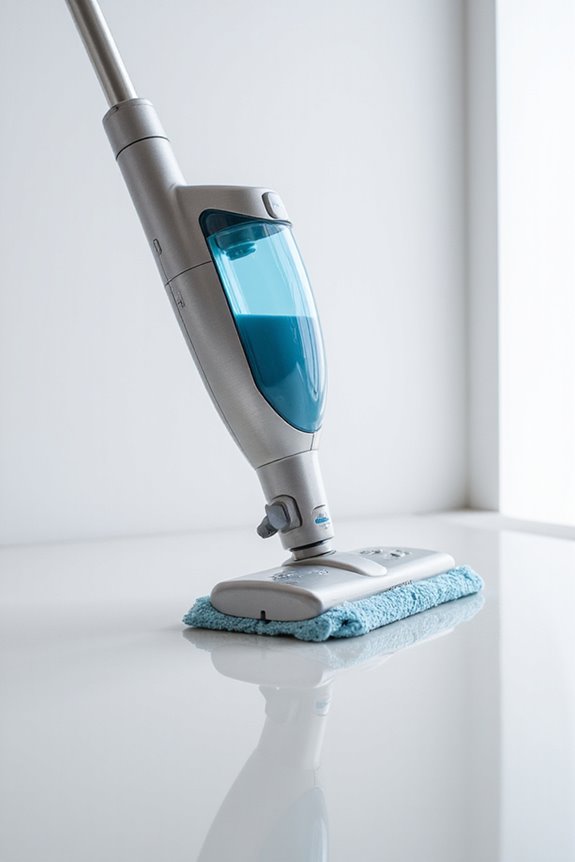
Dry steam and vapor steam are distinct forms of steam used in various applications. Dry steam contains less than 0.5% moisture and operates at temperatures above 250°F, providing high energy efficiency and quick drying. In contrast, vapor steam has 5-6% moisture and is generated between 250°F and 290°F. This moisture can impact cleaning effectiveness, making dry steam ideal for sensitive tasks. Understanding these differences helps us choose the right steam for specific cleaning and industrial needs. We’ll explore more benefits ahead!
Key Takeaways
- Dry steam contains less than 0.5% moisture, while vapor steam has about 5-6% moisture, affecting cleaning effectiveness.
- Dry steam operates at higher temperatures, generally above 250°F, compared to vapor steam’s range of 250°F to 290°F.
- Dry steam is more energy-efficient, providing better heat transfer and faster drying times for sensitive materials.
- Vapor steam is generated through boiling water and can produce up to 1,600 liters of steam from 1 liter of water.
- Both types of steam are effective for chemical-free cleaning, with dry steam reducing corrosion risks and improving sanitation in sensitive environments.
You may be interested


Recommended Products

Includes: PFX900S Commercial Carpet Cleaner with compact polyethylene body, 2 Removable Spray Jets for even spray pattern, and a Front Connection for an Optional Upholstery Tool; Exactly what you need to deep clean carpets, area rugs
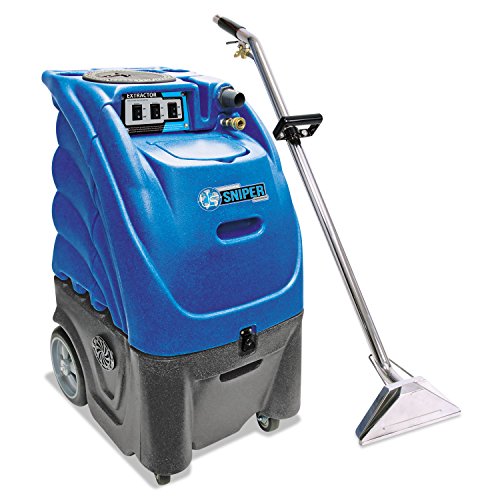
Easy-fill 12-gallon detergent solution tank with “Quick-Dump“ 12-gallon recovery tank.

Top mounted vents dissipate the hottest air
Understanding Dry Steam

When we talk about dry steam, we’re referring to a specific state of steam that’s nearly pure vapor. Its dry steam characteristics include a dryness fraction that approaches 1, meaning it’s 100% vaporized without liquid presence. This quality is essential because dry steam is produced by heating water to its boiling point, using all heat energy to convert it without excess temperature, minimizing moisture droplets.
In practical applications, dry steam offers significant advantages:
- Enhanced Energy Transfer: It possesses higher latent heat, which increases heating efficiency.
- Reduced Corrosion: Less moisture reduces corrosion risks in equipment.
- Effective Cleaning and Sterilization: Higher temperatures and minimal moisture yield better results. Additionally, high-pressure steam cleaners utilize dry steam to achieve professional-level deep cleaning in homes.
Understanding these aspects of dry steam makes it invaluable in various industries.
Exploring Vapor Steam
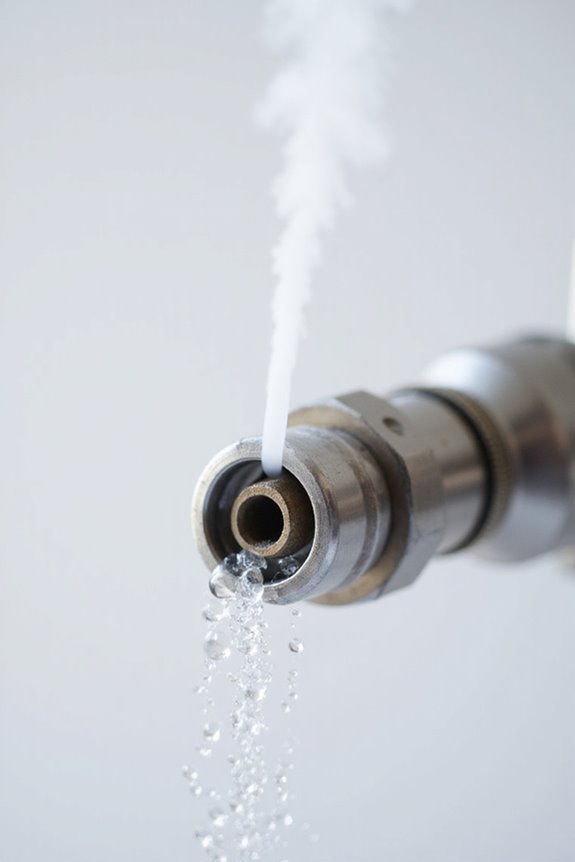
Vapor steam is an essential component in many industrial applications, and understanding its formation is crucial. When we boil water at 100℃, it rapidly expands into vapor steam, which differs from simple water vapor. Steam properties include being clean, odorless, and possessing a high usable heat content.
This makes vapor steam an effective heat transfer medium. For instance, one liter of water can produce about 1,600 liters of steam, showcasing its expansive nature. Additionally, vapor steam can exist in different states: wet, dry saturated, or superheated, each influencing its energy transfer dynamics. Vapor steam is particularly beneficial for chemical-free steam cleaners that sanitize surfaces without the use of harmful substances.
Key Differences Between Dry and Vapor Steam

One key aspect we need to understand about dry and vapor steam is their moisture content and definitions. Dry steam is created through steam generation that contains less than 0.5% moisture, making it almost completely vaporized water. In contrast, vapor steam generally has a moisture level around 5-6%, though it remains considerably lower than wet steam, which appears dense and cloudy.
To summarize the key differences:
- Dry steam:
- Less than 0.5% moisture
- Higher temperature (typically above 250°F)
- Vapor steam:
- 5-6% moisture
- Generated at 250°F to 290°F
Understanding these distinctions helps us appreciate the effectiveness of each in cleaning and industrial applications while ensuring quick drying times. Regular maintenance using high-quality steam cleaners can enhance efficiency and prolong the life of your devices.
Applications in Cleaning and Industry

In today’s diverse cleaning landscape, understanding the applications of dry steam and vapor steam is essential for achieving effective results. Both methods excel in industrial applications, ensuring high cleaning efficiency without harmful chemicals. For instance, in the food and beverage industry, they sanitize equipment like conveyors and ovens effectively, all while leaving no chemical residues.
Additionally, these steam methods are perfect for sensitive environments, such as hospitals and cleanrooms, where stringent hygiene is crucial. Their high temperatures also kill bacteria and allergens, promoting better indoor air quality. This versatility means we can confidently clean various surfaces—from hard materials to porous upholstery—while protecting the integrity of what we’re cleaning, making them indispensable tools in both residential and industrial settings. Furthermore, the effectiveness of steam cleaners on grout stains is unmatched, providing chemical-free cleaning that enhances hygiene and appearance.
Recommended Products
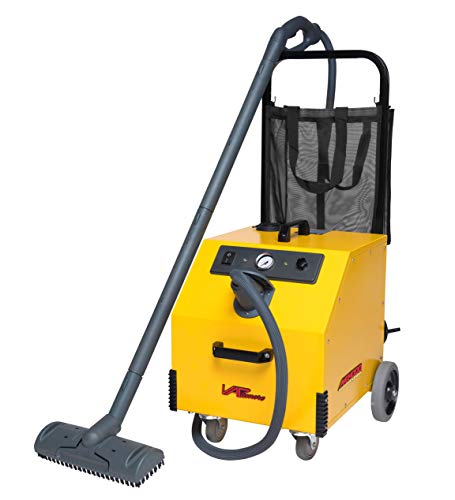
LIFETIME WARRANTY - To illustrate our commitment to quality, each machine (not just the boiler) carries a complete lifetime warranty against manufacturer defects. We also offer USA based phone and email support.
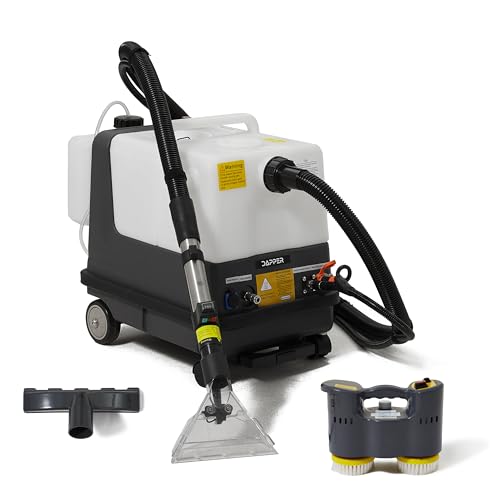
Powerful 2800W Carpet & Upholstery Extractor – Strong suction (41 CFM, 100 inH₂O) pulls dirt, debris, and moisture from carpets, rugs, upholstery, mattresses, and fabric surfaces.

INNOVATIVE - Wet and dry vacuum includes a front mount squeegee for easy water removal and floor stripping applications; the tip-and-pour drain port allows for quick draining
Real-World Considerations for Steam Use

When considering the use of steam in real-world applications, it is crucial to understand how moisture content affects performance. With dry steam containing less than 5% moisture, it greatly enhances energy efficiency, making it ideal for heat transfer. This means surfaces dry quickly and effectively, which is particularly beneficial for sensitive materials. In contrast, wet steam, with moisture levels above 10%, can lead to longer drying times and potential damage.
Key considerations include:
- Moisture Control: Maintaining low moisture improves drying and sanitation.
- Energy Efficiency: Dry steam systems maximize heat delivery, achieving up to 90-95% dryness. Moreover, non-toxic steam cleaners utilize dry steam effectively to sanitize surfaces while reducing the need for harsh chemicals.
Frequently Asked Questions
Can Dry Steam Cause Burns or Injuries?
Absolutely, I’ve seen how steam burns can occur from dry steam exposure. It’s essential to understand steam safety to prevent such injuries. Being aware and cautious around steam sources makes all the difference in keeping safe.
How Do You Measure Steam Moisture Content?
Measuring steam moisture content’s like baking a perfect soufflé; precision’s key. I rely on steam measurement techniques, like sonic velocity and calorimetric methods, for reliable moisture content analysis, ensuring I’ve got accurate results every time.
Are There Health Risks Associated With Using Steam Cleaners?
Absolutely, I’ve found that prolonged steam exposure can raise health concerns, especially if ventilation is poor. It’s crucial to guarantee safety by using steam cleaners properly, minimizing any potential risks to respiratory health during cleaning.
What Materials Are Safe to Clean With Vapor Steam?
Did you know vapor steam can eliminate up to 99.99% of bacteria? In my experience, safe materials for vapor steam applications include ceramic tiles, durable upholstery fabrics, and plastic children’s toys, ensuring a clean, chemical-free environment.
How Often Should Steam Cleaning Be Done?
I believe frequency recommendations for steam cleaning depend on your home’s conditions. For my household, I stick to a cleaning schedule every 6-12 months to keep carpets fresh, especially with pets and kids around.