When comparing flat mops and loop mops, we notice distinct differences. Flat mops are designed for quick, easy cleaning on smooth surfaces and use up to 90% less water. They’re also more hygienic, thanks to disposable pads. Loop mops, however, excel in deep cleaning and are great for tough stains. They can absorb more liquid and tackle uneven surfaces effectively. Continue with us to explore more about their features and find the best mop for your needs!
Key Takeaways
- Flat mops excel in speed and efficiency for light cleaning on smooth surfaces, while loop mops are better for deep cleaning and scrubbing uneven areas.
- Flat mops use up to 90% less water than loop mops, promoting sustainable cleaning practices and reduced chemical exposure.
- High-quality microfiber pads in flat mops effectively capture dirt and dust, resulting in faster drying times and lower slip hazards.
- Flat mops have a higher initial cost but longer lifespan, decreasing overall cleaning expenses and waste over time compared to loop mops.
- Expert recommendations suggest using flat mops for routine maintenance and loop mops for tough stains and crevices, optimizing floor care strategies.
Design and Structure Differences
You may be interested


On the other hand, loop mops rely on a cylindrical head that requires traditional buckets for use, limiting control. Additionally, disposable options are more accessible with flat mops since their pads attach with Velcro, making changes quick and hygienic. This thoughtful design ultimately caters to diverse cleaning needs. The effectiveness of cleaning is enhanced by using high-quality microfiber cloths, which capture dirt and grime more efficiently than traditional materials.
Cleaning Efficiency and Effectiveness

When it comes to cleaning efficiency and effectiveness, understanding the distinct advantages of flat mops and loop mops is essential for maintaining clean spaces.
Flat Mops:
- Best for quick, light cleaning on smooth surfaces.
- Microfiber pads capture dust and dirt, aiding routine maintenance.
- They dry surfaces faster, reducing slip hazards.
Loop Mops:
- Ideal for deep cleaning and scrubbing uneven surfaces.
- Their string design reaches crevices, making them more effective for heavy-duty stains.
- With high absorbency, they handle larger spills efficiently.
In terms of cleaning techniques, flat mops shine in light, routine cleaning, while loop mops excel in intensive, deep cleaning situations. Choosing the right mop materials according to your needs can lead to better cleaning outcomes and time savings. Additionally, understanding the importance of regular maintenance of carpet spot cleaners can further enhance your overall cleaning efforts.
Water and Chemical Usage

As we consider cleaning practices, water and chemical usage plays a significant role in how efficiently we maintain our spaces. Flat mops stand out for their water conservation and chemical efficiency. They require up to 90% less water than loop mops—often just 5 gallons for 100 rooms compared to 105 gallons. This reduced water consumption not only saves money but also lowers our carbon footprint.
In terms of chemicals, microfiber flat mops use about $0.50 worth of cleaning solution per 100 rooms, leading to significant savings and minimizing chemical exposure. This means we can use fewer pollutants, contributing to a cleaner environment. Ultimately, using flat mops supports sustainable cleaning practices, benefiting both our pockets and the planet. Additionally, chemical-free steam cleaners provide a powerful cleaning option that sanitizes without toxic residues.
Maintenance and Durability

Understanding the maintenance and durability of flat mops and loop mops helps us make better cleaning choices. When we look at durability comparison, flat mops, often made of microfiber, can last 500-900 washes, which can extend their life to around three years. In contrast, loop mops, although synthetic, tend to endure better than cotton string mops, especially when cleaned properly.
For maintenance protocols, flat mops require careful laundering to prevent damage from heat and harsh chemicals. Loop mops, meanwhile, can withstand regular cleaning, maintaining their functionality longer. This durability means loop mops are ideal for rugged environments, while flat mops shine in sensitive settings like healthcare. Ultimately, each mop has its place, depending on our cleaning needs and conditions. Considering effective cleaning solutions for allergens can also enhance the cleaning performance of both mop types.
Cost Considerations
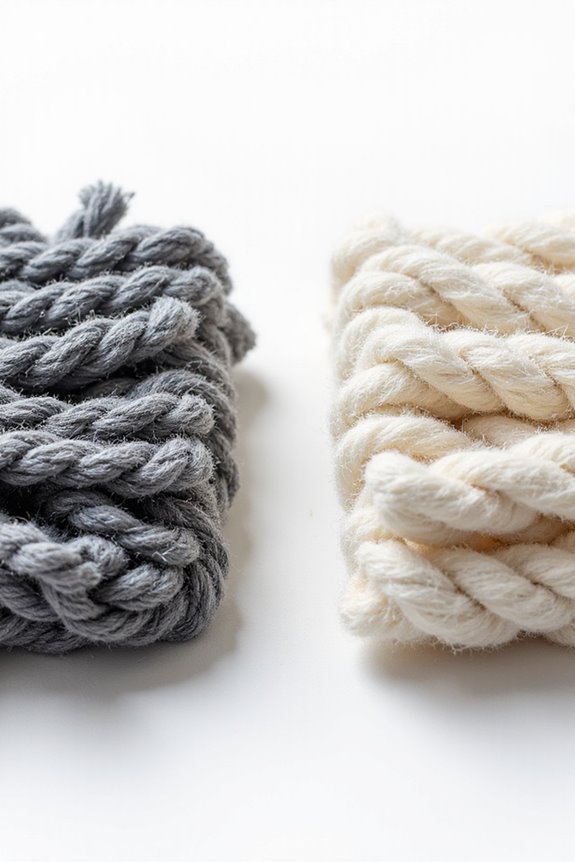
Cost considerations play an essential role in selecting the right mop for our cleaning needs. When we compare costs, flat mops may have a higher initial investment, typically between $30 and $50 versus $10 to $20 for string mops. However, they offer significant long-term savings.
Flat mop microfiber pads can last for over 250 washes, while string mop heads require replacements every few months. This longevity means we save on replacement costs and reduce waste. Plus, flat mops use less water, which can lower utility bills. Additionally, choosing eco-friendly cleaning products, such as biodegradable cleaners, ensures that our cleaning methods align with sustainable practices.
In short, while the initial cost may be higher for flat mops, their efficiency and durability translate into better financial choices over time. It’s all about balancing our upfront spending with potential future savings.
Best Use Cases and Limitations
When we think about the best use cases for flat and string mops, it helps to contemplate the unique features of each. Flat mops shine with regard to mop versatility, especially for smooth surfaces like hardwood and tile. They’re perfect for daily cleaning routines and light spills due to their lower water usage and quick drying times.
On the other hand, string mops excel in heavy-duty scenarios. They absorb larger spills and can effectively reach grout lines and rough surfaces, although they require more effort and maintenance. As for cleaning frequency, using a flat mop may suit regular upkeep, while a string mop is better for deep cleaning tasks. Each has its strengths, but choosing the right one depends on your specific needs. Additionally, considering the maintenance requirements of your chosen mop will ensure its longevity and effectiveness in keeping your floors clean.
User Experience and Ergonomics
User experience and ergonomics play an essential role in selecting the right mop for our cleaning needs. Flat mops, weighing just 900g with a damp microfiber pad, are markedly lighter than traditional string mops, making them easier to handle. This reduced weight means less strain on our arms, shoulders, and backs, promoting better user comfort.
Moreover, flat mops often feature adjustable ergonomic handles that cater to different heights, enhancing posture. The swivel heads allow 360-degree rotation, making navigation around furniture a breeze and decreasing repetitive motion stress.
In the long run, these ergonomic benefits not only improve our efficiency while cleaning but also help minimize fatigue during extended usage. Choosing the right mop can genuinely make cleaning tasks easier and more enjoyable.
Environmental Impact
As we consider the features that enhance our cleaning experience, it’s also important to look at how our choices impact the environment. The decision between flat mops and loop mops involves key sustainability practices and waste management factors. Flat mops, especially disposable ones, create more waste and require more raw materials per use. In contrast, loop mops, while reusable, consume significant energy and water during laundering.
Here are some critical points:
- Flat mops: More waste from disposables, but less energy needed for maintenance.
- Loop mops: Reduced raw material waste, but higher water and energy use due to washing cycles.
Understanding these implications can guide us toward more responsible cleaning choices that benefit both our homes and the planet.
Choosing the Right Mop for Your Needs
How do you decide which mop is best suited for your cleaning needs? We need to reflect on our mop types based on where and how often we clean. For daily or light maintenance, flat mops shine on smooth surfaces, using less water and providing quick drying. In contrast, if you’re tackling heavy messes or uneven surfaces, a string mop excels with its absorbency and scrubbing power, perfect for deep cleaning.
- Flat mops: Ideal for hardwood, laminate, and tile, low cleaning frequency.
- String mops: Best for commercial settings, requiring regular, intensive cleaning.
Ultimately, matching the right mop to your cleaning frequency and surfaces will boost efficiency and results. Choose wisely, and your floors will thank you!
Expert Recommendations and Tips
When seeking the right tools for effective cleaning, we can turn to expert recommendations that enhance both efficiency and results. According to expert suggestions, using flat mops on smooth surfaces, like tile and hardwood, greatly improves cleaning speed and reduces drying time. This is because flat mops use less water, making them an excellent choice for daily cleaning.
To maximize effectiveness, we should follow specific cleaning techniques:
- Regularly replace mop pads to maintain hygiene and cleaning power.
- Use gentle strokes to avoid streaking.
- Inspect equipment often for best performance.
Frequently Asked Questions
Can Flat Mops Be Used on Carpeted Floors?
When it comes to carpet cleaning techniques, I’ve found flat mop effectiveness isn’t up to par. They just can’t tackle deep dirt in carpet fibers like other specialized tools can. Save your flat mop for hard floors!
How Do I Properly Clean Flat Mop Pads?
To properly clean my flat mop pads, I use effective cleaning techniques like soaking them in a mild solution. Regular pad maintenance is key; I wash them after each use to guarantee peak performance.
Do Flat Mops Come in Different Sizes?
Yes, flat mop sizes vary greatly. I love how their advantages include maneuverability in tight spaces and efficiency in larger areas, making it easy to choose the right size for any cleaning task I face.
Can String Mops Be Machine Washed?
Yes, I’ve found that string mops can be machine washed without issues. For effective string mop maintenance, I make sure to use gentle cycles and mild detergents to keep them in ideal washing machine compatibility.
What Is the Lifespan of a Typical String Mop?
The lifespan of a typical string mop depends on its durability and usage. I’ve found that regular maintenance can improve cleaning efficiency, generally replacing them every 6–12 months, especially if you notice signs of wear.