
Steam pressure and temperature are directly related, with pressure increases leading to higher saturation temperatures. For instance, at 1 bar, the saturation temperature is about 120.4°C, while at 5 bar, it jumps to around 158.9°C. This relationship helps us optimize boiler efficiency and steam quality. By understanding how pressure affects temperature, we can improve heating outcomes in our steam systems. Stay tuned to explore more on the role of enthalpy in steam generation!
Key Takeaways
- The saturation curve shows that higher pressure results in higher saturation temperatures for steam.
- At 1 bar, the saturation temperature is approximately 120.4°C, while it’s around 158.9°C at 5 bar.
- Efficient steam generation relies on maintaining the ideal pressure-temperature relationship for optimized boiler performance.
- Lowering steam pressure decreases temperature and can lead to wet steam, impacting efficiency.
- Monitoring steam quality is crucial for achieving optimal heating results in steam systems.
Understanding Saturation Temperature and Pressure Relationship
You may be interested
Are Steam Cleaners Energy Efficient?
Backpack Steam Cleaner Options?

Best Steam Mop Pad Materials?
When we talk about steam systems, understanding the relationship between saturation temperature and pressure is essential. The saturation curve shows how temperature and pressure depend on each other; as pressure increases, so does the saturation temperature. For instance, at 1 bar, the saturation temperature is about 120.4°C, while at 5 bar, it rises to approximately 158.9°C.
This correlation is significant because maintaining consistent pressure without fluctuating steam temperatures allows efficient operation. We can even determine the saturation temperature accurately by measuring system pressure. So, by monitoring pressure, we simplify steam system management, ensuring it operates safely and effectively. Additionally, knowing the steam pressure measured in PSI can help enhance the overall performance of steam cleaners.
Key points include:
- Fixed correlation between pressure and saturation temperature
- Simplified monitoring through pressure measurements
The Role of Enthalpy in Steam Generation

Understanding steam systems is not just about knowing pressure and temperature; it’s also about grasping the role of enthalpy in steam generation. Enthalpy represents the total heat content in steam, essential for maximizing steam efficiency. By performing enthalpy calculations, we can determine the energy delivered through steam during processes like condensation and heat transfer.
Key points include:
- Total Enthalpy: It includes the latent heat of vaporization (around 970 BTU/lb) and sensible heat from temperature increases.
- Steam Performance: Systems that maintain ideal enthalpy reduce losses and enhance overall efficiency. Additionally, the efficiency of steam cleaners can be improved by understanding steam temperature and pressure, which contributes to effective grease and grime removal.
Recommended Products
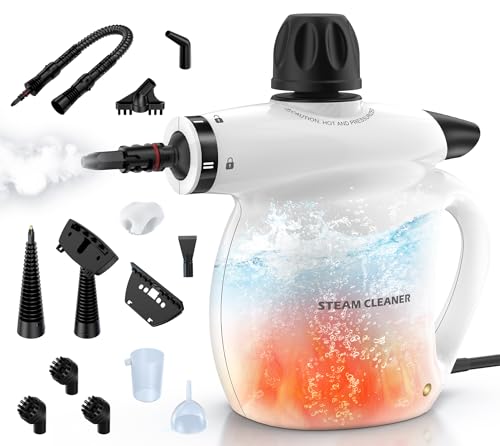
POWERFUL STEAMER CLEANER SYSTEM: Tackle stubborn grime with 230°F (110°C) high-pressure steam that penetrates tile grout, kitchen grease, bathroom mold, and car interiors effortlessly; The 350ml tank delivers up to 12 minutes of continuous deep cleaning; Attention: do not exceed 250ml when filling the water tank, overfilling may cause leaking and prevent the unit from producing steam
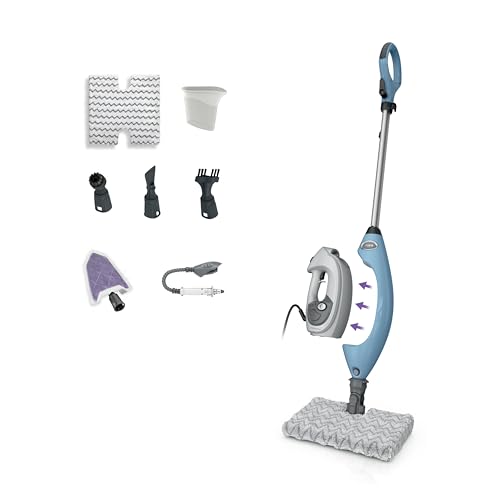
WHOLE-HOME STEAM CLEANING: Designed to tackle messes across your whole home including sealed hard floors, kitchen countertops and appliances, upholstery, car interiors, bathroom grout and crevices, window screens, and more.

Quality Liner: Constructed with easy-to-clean polyester liner in all compartments. Reflective of heat and easily wiped out. Any random liquid/stains can wipe clean with a towel.(Steam Cleaner Is Not Included)
Key Considerations for Practical Boiler Operations
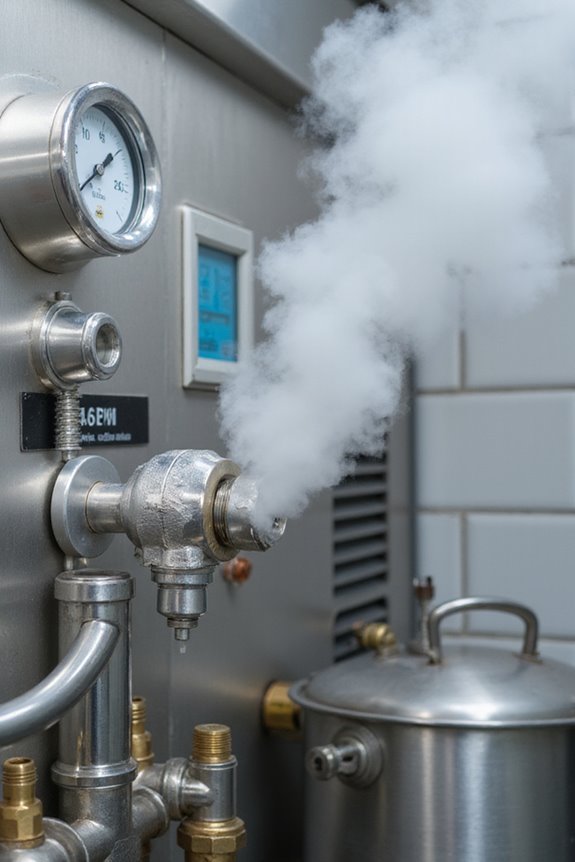
In practical boiler operations, several key factors directly impact efficiency and performance. Understanding the pressure-temperature correlation is essential for optimizing boiler efficiency. By measuring steam pressure, we can quickly determine steam temperature, which helps us maintain consistent steam quality in our systems.
Here are some important points to remember:
- Higher boiler pressure yields hotter steam, resulting in greater energy content and better heating capabilities.
- When we adjust pressure, it’s vital to reflect on how it affects steam temperature and heating performance. Lower pressures might reduce steam temperatures, which could derate our heating systems.
- Monitoring these aspects not only aids in achieving desired heating outcomes but also extends equipment longevity. Additionally, higher maximum temperatures in steam cleaning machines enhance dirt and grease removal capabilities, making them more efficient for tough cleaning tasks.
Effects of Steam Pressure Reduction
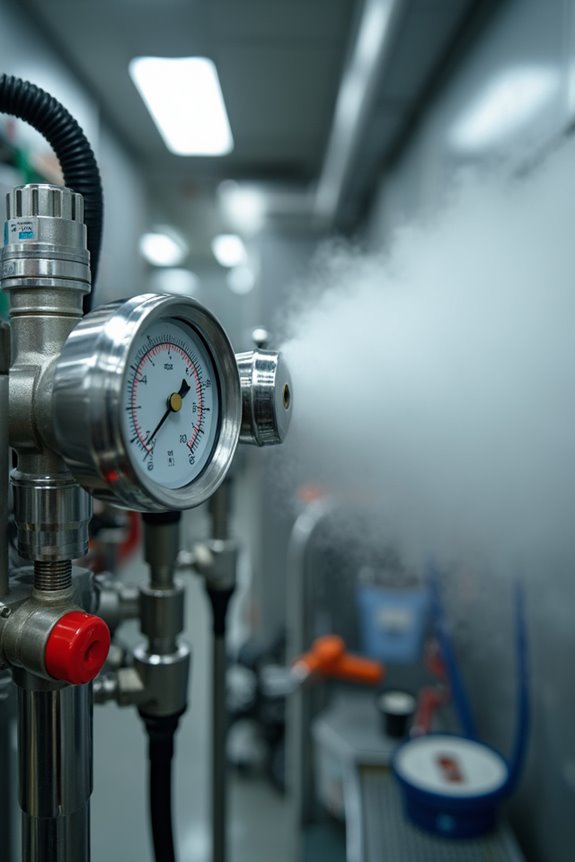
Reducing steam pressure brings a variety of effects that can markedly impact boiler operations and overall system efficiency. First, a pressure drop lowers steam temperature, which decreases steam efficiency. For instance, steam at lower pressure can become wet or partially condensed, resulting in less energy available for heating.
Additionally, operating at reduced pressure can lead to significant fuel savings, as we see in a case where lowering pressure from 130 psig to 80 psig resulted in measurable fuel input drops. However, we must also consider potential operational challenges, such as increased piping velocity, which can raise erosion risk. Effectively managing high-temperature steam delivery helps in mitigating some of these challenges. Overall, understanding these effects helps us make informed decisions about managing steam systems effectively.
Measurement and Control Techniques

When we measure and control steam pressure and temperature, it’s crucial to use the right techniques to guarantee efficiency and safety. Key installation techniques, like screwing sensors with protection tubes onto low-pressure steam lines, safeguard against harsh conditions. For high-pressure systems, direct welding ensures proper sensor protection.
Using thermocouples for temperature measurement provides accuracy up to 600°C. We ideally check temperatures upstream and downstream of steam traps to assess their performance. This method helps us identify issues like leaks or heat loss quickly. Additionally, infrared thermometry offers a non-contact approach, benefiting those needing rapid assessments. By implementing these techniques, we enhance our systems’ reliability and longevity, making them work better for us. Furthermore, understanding eco-friendly cleaning solutions is essential for maximizing the benefits of steam cleaning while ensuring safety for both users and the environment.
Thermodynamic Principles Governing Steam Behavior
Understanding the thermodynamic principles that govern steam behavior is essential to optimizing our steam systems. At the core is the saturation curve, defining the phase equilibrium between water and steam. When we increase pressure, steam properties like enthalpy rise, meaning steam can form at higher temperatures without raising pressure.
Here are key takeaways:
- At constant pressure, heating water turns it into saturated steam without a temperature change.
- Higher pressure steam has more energy per pound, vital for industrial applications.
- Steam tables provide specific data, allowing us to gauge attributes like temperature and enthalpy.
- The effectiveness against bacteria and viruses is significantly enhanced when steam is heated above 175F, showcasing the critical relationship between temperature and cleaning performance.
Frequently Asked Questions
How Does Altitude Affect Steam Pressure and Temperature?
I’ve noticed that altitude affects steam properties considerably. As I ascend, steam pressure and temperature drop due to decreased atmospheric pressure. Understanding these altitude effects is essential for effective cooking and steam-based processes.
What Safety Measures Are Required for High-Pressure Steam Systems?
Ever wonder what keeps high-pressure steam systems safe? I guarantee strict safety protocols, like regular inspections and precise pressure gauges, are in place to prevent accidents, protecting both the equipment and our essential workforce.
Can Steam Pressure Affect Water Quality in a Boiler?
Absolutely, I’ve found that steam pressure can really impact water quality in a boiler. It’s essential to maintain proper water treatment and chemical balance to prevent issues like foaming and impurity carryover at higher pressures.
What Are Common Materials Used for Steam Piping?
When considering materials for steam piping, I often think of carbon steel for strength, stainless steel for corrosion resistance, copper alloys for heat conductivity, and fiberglass or PVC piping for specialized applications. Each has its advantages.
How Do Steam Leaks Impact System Efficiency?
I’ve seen how steam leaks drastically reduce system performance. Implementing steam leak detection technologies can pinpoint issues, saving energy and enhancing efficiency. It’s essential for maintaining ideal operation and reducing waste in any steam system.