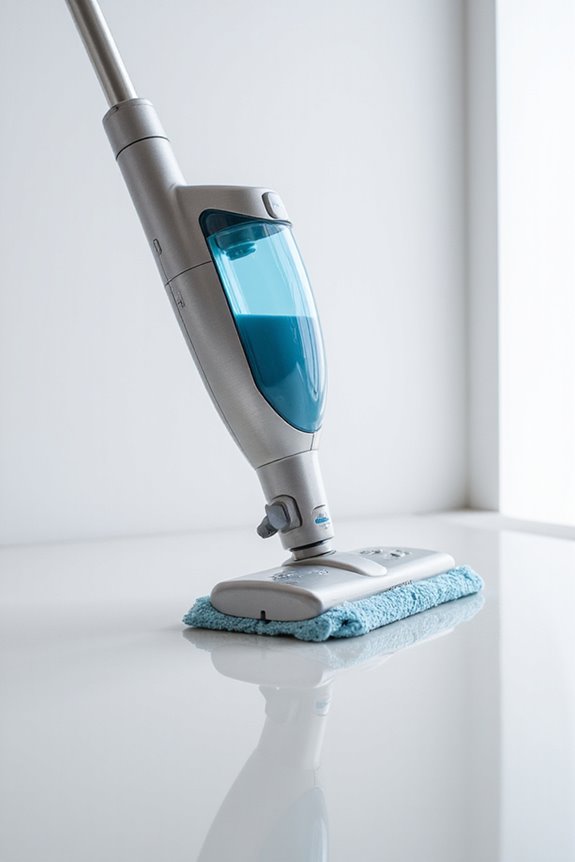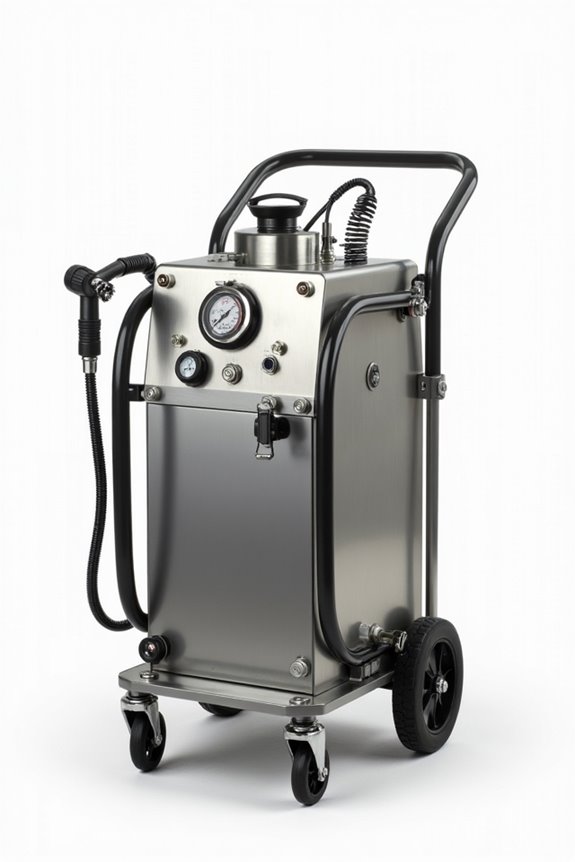

Dry steam technology generates steam with less than 0.5% moisture, enhancing energy efficiency in power generation and industrial processes. We utilize this high-quality steam because it increases heat transfer, reduces operational costs, and prevents equipment corrosion. The ideal dryness fraction for peak performance is at least 0.95. This technology supports sustainable practices by minimizing water usage and waste. There’s plenty more to discover about its benefits and applications in various sectors.
Key Takeaways
- Dry steam has a moisture content of not more than 0.5%, ensuring high thermal efficiency for heating applications.
- It is generated by fully vaporizing water at saturation temperature, preventing corrosion in equipment.
- The technology harnesses steam directly from geothermal sources, making it cost-effective with low operational expenses.
- High dryness fraction (ideally 0.95 or higher) is crucial for optimal performance, enhancing energy transfer and preventing equipment damage.
- Dry steam technology promotes sustainability by reducing water usage and chemical waste in various industrial applications.
Definition and Basic Concept of Dry Steam Technology
You may be interested



When we talk about dry steam, we’re referring to a specific state of steam that contains very little moisture. Specifically, dry steam has a moisture content of not more than 0.5%, which guarantees a high dryness fraction. This means the steam is mostly vapor, which is essential for efficiency.
Dry steam is generated when water is fully vaporized at saturation temperature without any residual droplets. The absence of moisture prevents issues like corrosion in boilers and heat exchangers, extending their lifespan. In industries, using dry steam offers several benefits:
- Higher heat content compared to wet steam
- Improved energy transfer for heating applications
- Enhanced cleaning without harmful chemicals, making it a viable option for steam cleaning solutions that promote a healthier living environment.
How Geothermal Dry Steam Power Plants Operate

Geothermal dry steam power plants are fascinating systems that harness the power of steam directly from the Earth’s crust. We drill wells deep into the ground, reaching reservoirs of steam, typically at least 300°F. This steam is piped straight to a turbine, driving a generator to produce electricity.
Effective reservoir management is essential for maintaining the pressure and capability of these geothermal sources. While turbine efficiency can be under 23%, the lack of fuel consumption keeps operational costs low. Additionally, exhaust heat can be used for cogeneration, enhancing the overall system efficiency. By utilizing natural geothermal resources, we contribute to a more sustainable energy future while reducing our reliance on fossil fuels. Furthermore, the high temperatures reached in these systems are crucial for maximizing energy extraction efficiency.
Recommended Products
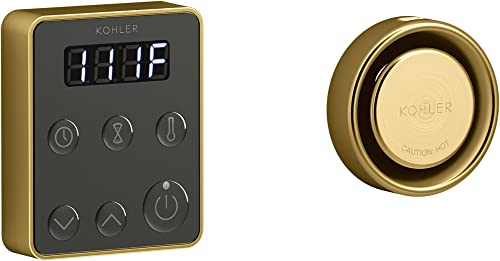
Steam head features an integral aromatherapy well for adding scents

PERFECT PERFORMANCE - Perfect steam experience is exactly what we had in mind with steam generators. Quickly produce a consistent flow of soft and smooth steam thanks to the cleverly designed dual tank technology ,while minimizing any distracting operational noises.

COMPLETE STEAM GENERATOR KIT: This set includes 9KW 240V TURKU steam generator, SL-series external digital controller, steam head, manual drain valve, safety pressure relief valve, thermostat, controller and thermostat connection wires, and installation and operation guide
Importance of Steam Quality and Dryness Fraction

Understanding the importance of steam quality and the dryness fraction is essential for anyone involved in steam systems. Steam efficiency heavily relies on high-quality steam, where the dryness fraction measures the ratio of vapor to liquid water. Ideally, we want a dryness fraction of 0.95 or higher.
When moisture impacts steam, it leads to reduced energy transfer and lower heat efficiency. Wet steam, containing even small amounts of liquid, can cause uneven heating, which affects processes and product quality. Additionally, maintaining high steam quality helps us avoid costly equipment damage from erosion and water hammer. Moreover, using eco-friendly steam cleaners can promote a healthier living space while ensuring high steam quality for effective cleaning.
Recommended Products

Includes: PFX900S Commercial Carpet Cleaner with compact polyethylene body, 2 Removable Spray Jets for even spray pattern, and a Front Connection for an Optional Upholstery Tool; Exactly what you need to deep clean carpets, area rugs

The body of this Carpet Extractor Machine adopts rotoplastic integrated molding, durable and not deformed, beautiful appearance, easy to clean the body.

【3-in-1 Functionality】 This carpet cleaner not only vacuums water and dust independently but also offers carpet cleaning capabilities. It combines the processes of spraying, washing, and drying to effectively clean and refresh your carpets.
Advantages of Implementing Dry Steam Technology
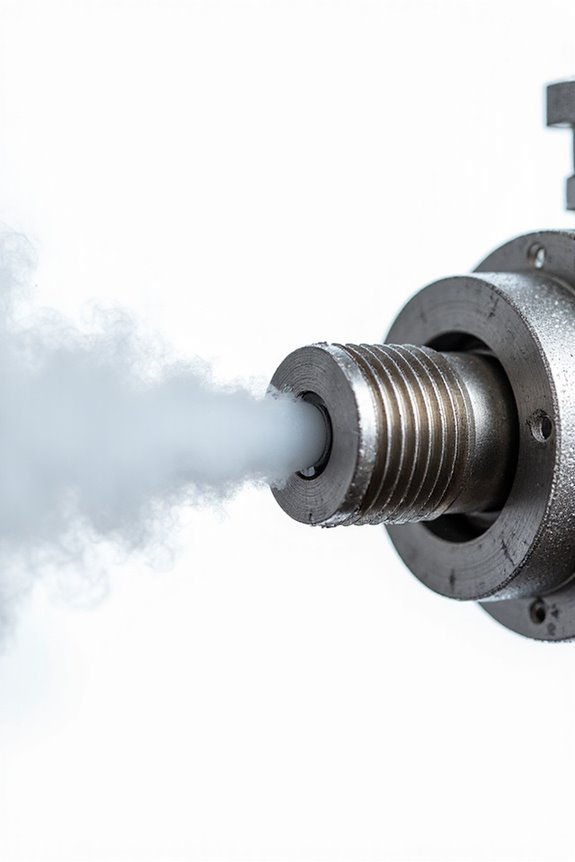
The efficiency and quality of steam not only impact operational performance but also open the door to innovative technologies like dry steam. By implementing dry steam technology, we enhance cleaning efficiency and achieve significant hygiene benefits. For instance, dry steam reaches high temperatures that effectively kill harmful microorganisms, ensuring safer environments.
Key advantages include:
- Time and Labor Savings: Fewer hours spent on cleaning tasks.
- Environmental Benefits: Minimal water usage and no chemical cleaners reduce ecological impact.
- Increased Productivity: Less downtime means our maintenance team can focus on other essential duties. Additionally, using chemical-free steam cleaners helps create a safer cleaning environment, especially in homes with children and pets.
Ultimately, adopting dry steam technology results in cleaner spaces, better air quality, and a notable reduction in the risk of re-contamination, positioning us as industry leaders in hygiene practices.
Recommended Products

Please note: The initial steam preparation takes around 60s. For subsequent uses, this time reduces to about 45s. This waiting period is normal and not a product malfunction. Preparation time may vary depending on the usage environment and user habits, the actual time shall prevail.

Non-Suction Cleaning System: The HIZERO F600 features patented Non-Suction Technology, ensuring zero dust recirculation for a healthier home. With a built-in LED headlight, it illuminates dark corners and under furniture, leaving no spot uncleaned. Lab tests verify a 99.3% pet dander removal efficiency, making it ideal for allergy-prone households.

Performance – It features one of most powerful vacuum motors in its class, producing 85” of water lift for maximum extraction. The two-stage vacuum motor reduces dry times.
Industrial Applications Beyond Electricity Generation

When we explore industrial applications beyond electricity generation, dry steam technology proves its versatility in various sectors. In food sanitation, it effectively cleans conveyor belts and processing machinery, critically removing bacteria while minimizing moisture. This is especially beneficial for products like snacks and powdered drinks, where excessive water risks spoilage.
For industrial cleaning, dry steam excels at dissolving grease and oils from machinery without toxic chemicals. Its ability to reach tight spaces enhances equipment reliability and longevity. Additionally, high-temperature steam can be utilized to ensure thorough sanitation and maintenance workflows, emphasizing the effectiveness of this technology.
In both scenarios, reduced water usage and lower chemical waste contribute to sustainability. This technology not only enhances efficiency but promotes a safer work environment, showcasing its significance across industries.
Recommended Products

Large-Capacity Ride-On Floor Scrubber: Built for large commercial and industrial hard-floor cleaning, the SM860 uses dual 17" brushes to deliver a 34" scrubbing width and up to 80,000 sq ft/h productivity for warehouses, factories, schools, retail facilities, airports, and parking areas

Built for Daily Commercial Hard Floor Cleaning: Designed for warehouses, factories, schools, hospitals, retail stores, gyms, offices, and facility maintenance teams that need to clean large hard-floor areas more efficiently than mop-and-bucket cleaning. Ideal for routine cleaning on sealed commercial floors.
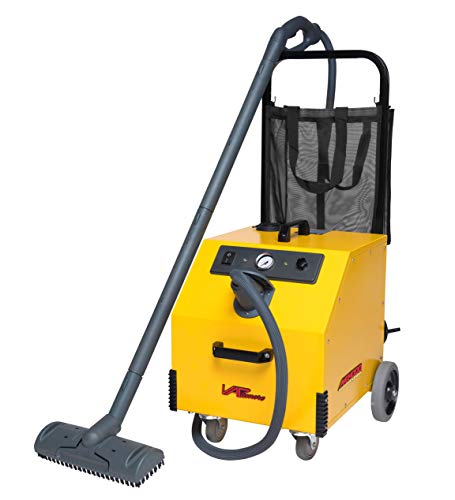
LIFETIME WARRANTY - To illustrate our commitment to quality, each machine (not just the boiler) carries a complete lifetime warranty against manufacturer defects. We also offer USA based phone and email support.
Technical and Engineering Considerations for Dry Steam Systems
To effectively implement dry steam systems, we must consider several technical and engineering factors that guarantee their ideal performance. Moisture management is crucial; we need to maintain steam dryness above 99.7%. This requires using mechanical separators to remove entrained moisture effectively. For pipeline optimization, it’s essential to design steam pipelines with a 2-3 mm slope per meter to aid condensate drainage. Additionally, we must incorporate appropriately sized drain pockets to capture condensate without affecting steam flow. By using high-quality steam traps and ensuring proper installation, we can mitigate problems like slugging and water hammer. Overall, these considerations help maintain the efficiency and reliability of our dry steam systems, maximizing their operational potential. Moreover, implementing high-temperature steam delivery enhances the effectiveness of our cleaning processes during operation.
Recommended Products

1:" Inline Compressed Air Regulator Filter Desiccant Dryer Moisture Separator Trap Combo Inlet / Outlet: 1"" Female NPT (measures about 1" diameter) This is a directional flow unit that comes which markings showing how to install. 3 Stage Compressed Air Filtration 5 Micron (Removes Water Droplets / Debris) .01 Micron Oilesser (Removes Finer Droplets / Oil Droplets / Oil Aerosol) Desiccant Dryer (Removes Any Remaining Moisture / Vapor)
3/4" Inline Compressed Air Regulator Filter Desiccant Dryer Moisture Separator Trap Combo Inlet / Outlet: 3/4" Female NPT (measures about 1" diameter) This is a directional flow unit that comes which markings showing how to install. 3 Stage Compressed Air Filtration 5 Micron (Removes Water Droplets / Debris) .01 Micron Oilesser (Removes Finer Droplets / Oil Droplets / Oil Aerosol) Desiccant Dryer (Removes Any Remaining Moisture / Vapor)

5 Micron (Removes Water Droplets / Debris)
Environmental Benefits of Utilizing Dry Steam
Utilizing dry steam technology can greatly benefit our environment by reducing chemical use and water consumption. This method promotes sustainable cleaning by eliminating harsh chemicals, leaving no toxic residues on surfaces. We can protect our waterways from contamination and reduce plastic waste from packaging.
Additionally, dry steam cleaning uses up to 100 times less water than traditional pressure washers, conserving our essential water resources. For example, a Menikini 10 kW steam generator only consumes about 10 liters per hour compared to 1,500–2,000 liters for conventional methods.
Moreover, it improves indoor air quality by removing allergens and chemical residues, creating healthier spaces for us to live and work in. Ultimately, these eco-friendly solutions foster a cleaner, greener environment for everyone.
Future Prospects for Dry Steam Technology in Energy Production
As we look at the future of dry steam technology in energy production, it’s exciting to see its potential for expansion. With Enhanced Geothermal Systems (EGS), we can tap into regions without natural steam reservoirs. This opens new development zones, increasing global market potential for geothermal energy.
The integration of dry steam plants into hybrid renewable systems is another promising trend. By combining stable geothermal energy with solar or wind power, we enhance grid reliability and efficiency.
Additionally, advances in turbine and plant efficiency are set to reduce operational costs further. As we embrace these future trends, dry steam technology could play a pivotal role in decarbonizing power generation, supporting our shift toward sustainable energy solutions.
Frequently Asked Questions
How Does Dry Steam Technology Impact Local Ecosystems?
When it comes to ecosystem balance, dry steam technology is a game changer. It promotes environmental sustainability by reducing chemical exposure and improving air quality, making our surroundings healthier for both people and wildlife—talk about a win-win!
What Are the Primary Challenges in Locating Suitable Geothermal Sites?
Finding suitable geothermal sites involves intricate geological mapping and thorough site assessments. I’ve faced challenges with local geology variations and estimating reservoir potential, often requiring detailed surveys and a deep understanding of subsurface conditions to guarantee success.
Can Dry Steam Technology Be Combined With Other Renewable Energies?
Imagine a symphony of energy, with dry steam and wind energy harmonizing beautifully in hybrid systems. Together, they create a reliable and versatile power mix, enhancing sustainability and reducing our reliance on fossil fuels. It’s transformative!
What Is the Lifespan of a Dry Steam Geothermal Plant?
The lifespan of a dry steam geothermal plant often ranges from 20 to 50 years, depending on maintenance requirements and sustainability factors. Proper management can greatly enhance longevity, ensuring efficient operation over time.
How Is the Initial Investment for Dry Steam Technology Compared to Solar?
When I considered investing in a geothermal project, I found that the initial costs are considerably higher than solar. For example, drilling expenses can overwhelm the investment comparison, especially in less suitable locations for geothermal resources.