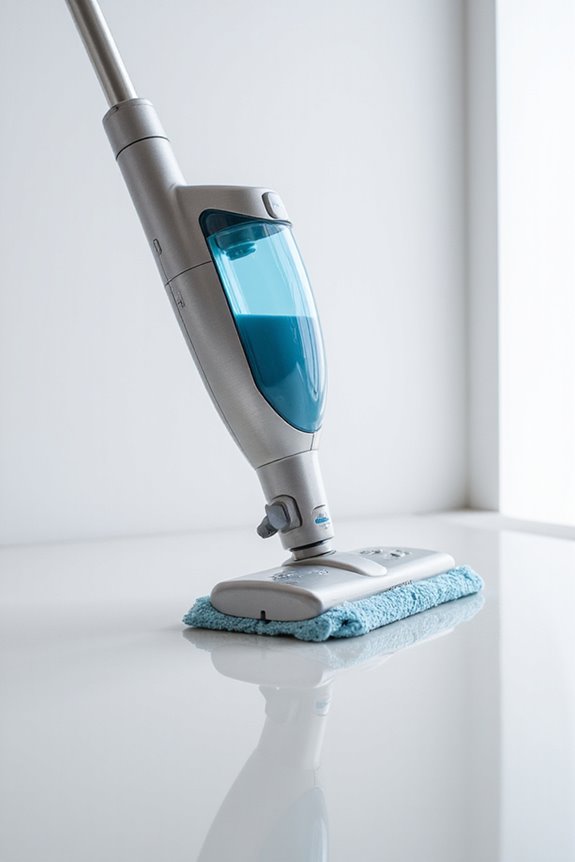
Yes, steam cleaning can effectively remove mold safely. We achieve over 99% efficiency in killing certain mold spores with high-temperature vapor. This method is chemical-free, protecting your indoor air quality while tackling allergens and bacteria. However, we must remember that steam can introduce moisture, which could encourage new mold growth if not properly dried. Want to learn more about the advantages, risks, and best practices of steam cleaning for mold removal?
Key Takeaways
- Steam cleaning can remove over 99% of mold spores, making it an effective method for mold removal.
- High-temperature steam treats surfaces without harmful chemical residues, ensuring safety for households with children and pets.
- Proper containment and surface drying after steam cleaning are essential to prevent new mold regrowth.
- While effective, steam cleaning may not eliminate all spores, especially in porous materials like wood or drywall.
- Using specialized attachments can enhance steam cleaning effectiveness on tough stains and surfaces, improving overall results.
Understanding Steam Cleaning and Its Effectiveness Against Mold
You may be interested
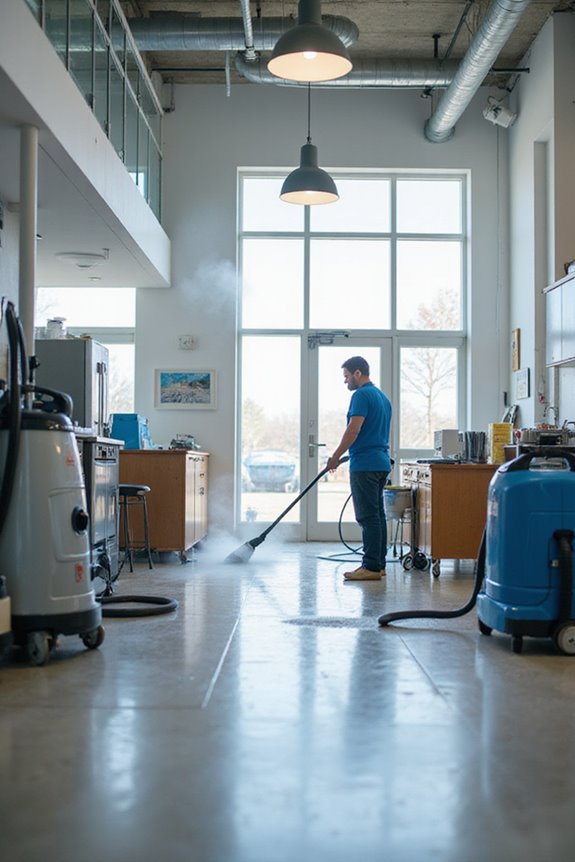
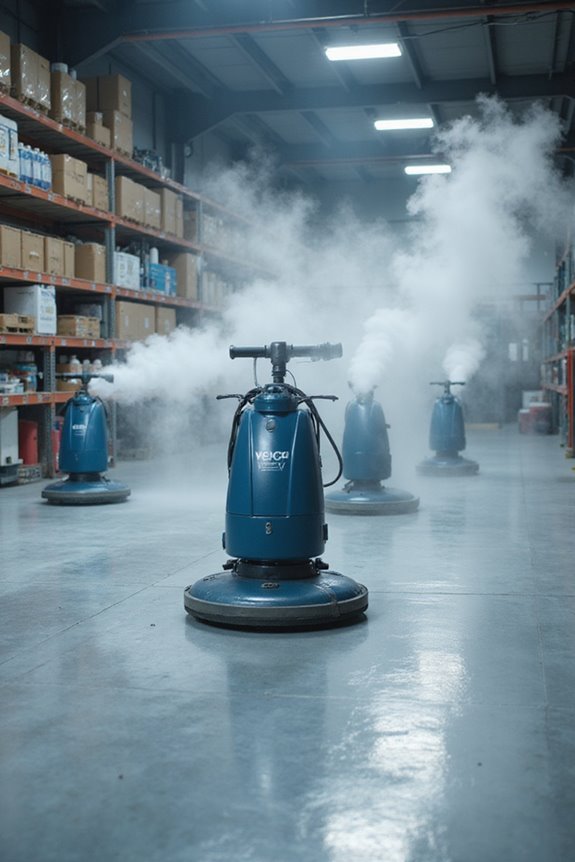
10 Best Professional Steam Floor Cleaners for a Sparkling Clean Home
When we think about cleaning mold, steam cleaning often comes to mind as a potent option. Steam efficacy makes it a strong contender, showing over 99% efficiency in removing certain mold spores, like *Cladosporium sphaerospermum*, from carpets. What sets steam cleaning apart is that it maintains high fungal removal rates, unlike detergent methods that decline over time. However, it’s important to note that while steam effectively reduces mold spore counts, it doesn’t eliminate all spores completely. Also, steam cleaning introduces moisture, which can encourage new mold growth if not dried properly. Consequently, while steam cleaning is a valuable tool in mold remediation, we must also manage moisture to maximize its effectiveness and prevent further issues. Therefore, consider using high-pressure steam cleaners that are designed for professional-level deep cleaning to enhance your mold removal process.
The Process of Steam Cleaning for Mold Removal

Steam cleaning for mold removal involves a detailed process designed to maximize effectiveness while minimizing risks. First, we establish containment with plastic sheeting to prevent spore spread, creating negative air pressure inside the area. Then, we HEPA vacuum surfaces to capture loose spores before applying steam cleaning techniques. This method utilizes high-temperature vapor, penetrating surfaces to kill mold spores effectively.
After steam treatment, it’s vital to wipe surfaces to remove dislodged residues. We might also use EPA-approved biocides to further inhibit future growth. For mold removal effectiveness, proper drying is essential, as moisture can lead to regrowth. Remember, steam cleaning is just one part of a holistic approach to tackle mold issues reliably. Additionally, high-temperature steam from steam cleaners can be highly effective in eliminating mold spores.
Recommended Products

【High-Efficiency Deep Cleaning】Our UV mattress vacuum cleaner features a powerful 500W motor, providing 16kPa of strong suction and 30,000 RPM high-frequency tapping. It penetrates deeply into mattresses and fabric layers, effectively removing fine dust, skin flakes. Keep your mattress and sofa consistently fresh and clean, creating a healthier sleep environment and allowing you to enjoy a healthier home life. (NOTE: Not suitable to absorb pet hair)
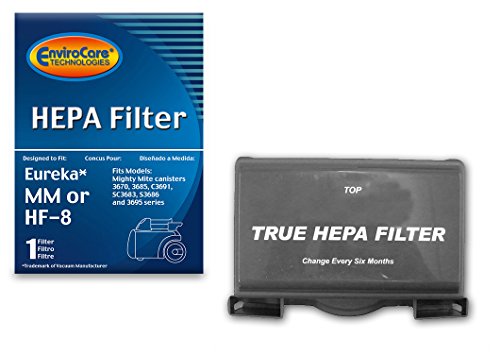
EnviroCare Replacement HEPA Vacuum Cleaner Filter Designed to Fit Eureka Sanitaire HF-8 MM Mighty Mite Pet Lover, Sanitaire Commercial Canister Vacuum Cleaners, 60666B, 60666A, 60666-6, EUR 60295-6
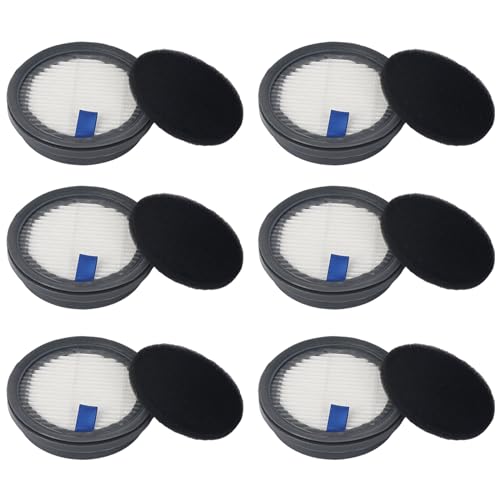
【Compatible Models】 HEPA filters with sponges are compatible with Afoddon A200PRO/A200, ORFELD B08/C10A/C10G, and NEQUARE S12 S25 S25Pro, S26 series cordless vacuum cleaners.
Advantages of Steam Cleaning Compared to Traditional Methods

While many people rely on traditional cleaning methods, steam cleaning offers significant advantages that make it a superior choice for mold removal. Here are some benefits we should consider:
- Effective Mold Penetration: Steam reaches deeper into surfaces, killing mold roots directly, achieving up to 99% efficiency.
- Chemical-Free: Unlike traditional methods, steam cleaning uses just heated water vapor, making it safer for our environment and those with allergies.
- Versatile Application: Steam is gentle yet effective on various materials, from carpets to delicate woods, without damaging surfaces.
- Enhanced Hygiene: High-temperature steam eradicates dust mites and bacteria, improving indoor air quality. Moreover, high steam temperatures effectively kill allergens, promoting a healthier environment.
Recommended Products

Powerful Steam Cleaner: This steam cleaner heats up in just 15 seconds, releasing high-temperature steam at 221°F (105°C) and 3 bar of pressure, instantly dissolving stubborn grease, grime, stains, and bacteria. With a power output of 1500 watts, it effortlessly removes dirt and is a reliable helper for everyday household cleaning

4 Modes for Every Mess - Choose 212℉ steam wash for hidden stains, 150℉ hot water for grease, or cold water for quick touch-ups. One carpet cleaner machine handles carpets, couches, and upholstery with ease. (Note: Steam will start after about 35 seconds of heating.)

EVERY PURCHASE SAVES PETS. BISSELL proudly supports BISSELL Pet Foundation and its mission to help save homeless pets.
Potential Risks and Limitations of Standard Steam Cleaning

Although steam cleaning is often praised for its effectiveness, it does come with certain risks and limitations that we should consider. One major issue is steam penetration; it often fails to reach deep into porous materials like wood or drywall, where mold roots might hide. This means that while the heat may kill some spores, stains and residue can remain, risking regrowth.
Additionally, moisture retention is a concern. Excess water from steam cleaning can leave surfaces damp, creating ideal conditions for mold to flourish within just 24 to 48 hours. Finally, for extensive infestations, professional remediation might be necessary, as standard steam cleaning alone may not fully eliminate the problem. Knowing these limitations will help us make informed decisions. Furthermore, the effectiveness of steam cleaning can vary based on tank capacity and heating time, as larger tanks typically allow for longer steam sessions, which can enhance cleaning efficacy.
Recommended Products


#1 Brand In Hand Vacuums* - Tackle messes big and small with convenient solutions that make cleaning easy by design

🌀【15000PA Strong Suction Power】The handheld vacuum cordless is equipped with an advanced high-speed motor that provides powerful suction power up to 15kPa, which can meet your different cleaning purposes and clean more thoroughly. The cordless vacuum cleaner has long-lasting suction power and can easily remove dirt, dust and pet hair, keeping your space clean and tidy
Health and Safety Benefits of Using Steam Cleaning

Many of us recognize the importance of mold removal for health and safety, especially in our homes. Using steam cleaning offers significant health benefits. It effectively kills mold spores, dust mites, and allergens without chemical residues, helping improve indoor air quality. Steam cleaners reach temperatures above 200°F, achieving up to 99.5% bacterial kill rates, which contributes to a healthier living environment. Additionally, many steam cleaning models provide specialized attachments for tackling tough stains and surfaces, enhancing their effectiveness. We must also keep safety precautions in mind. Steam cleaning is a safe choice for households with children and pets, avoiding harsh chemicals typically found in many cleaners. Additionally, the sustained heat of steam minimizes the risk of mold regrowth, maintaining cleaner surfaces and preventing future health issues. Overall, steam cleaning helps support a safer, healthier home.
Professional Mold Remediation vs. DIY Steam Cleaning
When it comes to mold removal, understanding the differences between professional remediation and DIY steam cleaning is essential for effective treatment. Professionals provide a detailed approach, which includes mold identification, moisture control, and thorough inspection. They use specialized equipment to target not just visible mold but also hidden infestations.
On the other hand, DIY steam cleaning effectively tackles surface mold using high-temperature steam. However, it lacks the meticulous steps needed to address underlying moisture issues, which can lead to mold returning. Regular steam cleaning can help manage pet-related odors and improve air quality, but it’s important to address the root causes of mold growth.
Recommended Products

[260 °F Steam for Deep Cleaning] Sprobil steam mop delivers powerful 260℉ steam to penetrate deep into surfaces, eliminating up to 99.9% of stubborn stains and grime without any chemicals — safe for kids and pets. The high temperature not only deep cleans but also dries quickly, leaving no water marks behind. Simply use water to keep your floors sparkling clean. (Remember to remove the carpet glider before cleaning hard floors.)

EVERY PURCHASE SAVES PETS. Every purchase makes it possible for BISSELL to continue our support of BISSELL Pet Foundation and its mission of saving pets in need.

3-IN-1: Shark Steam Pickup picks up debris, deep scrubs, & steam sanitizes—all at once. Perfect for a daily clean.
Best Practices for Maintaining a Mold-Free Environment
To maintain a mold-free environment, we must implement several best practices that effectively prevent mold growth in our spaces. First, establish a regular cleaning schedule, incorporating steam cleaning to eliminate hidden mold spores. This method reaches deep into surfaces, guaranteeing thorough treatment.
Here are some key mold prevention tips:
- Control Moisture: Keep humidity levels below 60%. Use dehumidifiers in damp areas.
- Ventilation: Guarantee proper airflow in bathrooms, kitchens, and basements.
- Regular Inspections: Routinely check high-risk areas for leaks or water damage.
Recommended Products

Genuine Kirby HEPA Filtration – Designed with Micron Magic Plus technology, these high-performance vacuum bags help capture dust, dirt, and debris for a cleaner home.
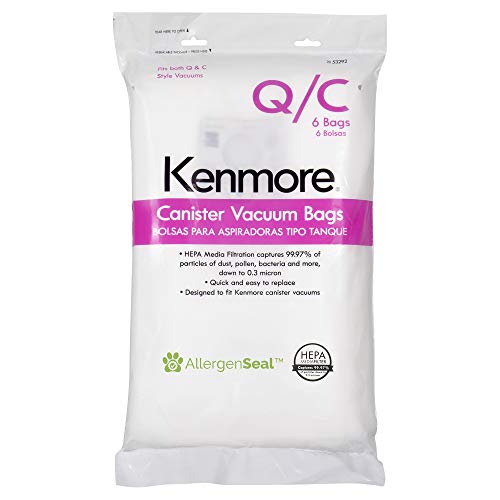
Fits Kenmore canister vacuum cleaners that use type Q replacement bags

New and Improved: HyClean Air GN vacuum bags are slimmer in size with a more environmentally conscious design, offering a 10x better dust retention rate than Miele's original AirClean FJM bags
Frequently Asked Questions
Can Steam Cleaning Remove Long-Standing Mold Stains?
Sure, steam cleaning might seem like a magic wand, but for long-standing mold stains, it often needs backup. I’ve found combining steam with other mold removal techniques and stain treatment methods works best for visible results.
How Often Should Steam Cleaning Be Done for Mold Prevention?
I find following frequency guidelines really helps prevent mold growth. For high-traffic areas, I steam clean carpets every six months. Bathrooms, on the other hand, need weekly attention to keep mold at bay.
Is Steam Cleaning Safe for All Types of Fabrics?
Not all fabric types are safe for steam cleaning. I always adjust steam settings based on the material to avoid damage, especially with delicate fabrics. Testing a small area first is essential for best results.
Can Steam Cleaning Damage My Flooring or Furniture?
I’ve found that steam cleaning can damage certain floor types and furniture materials. It’s essential to understand what surfaces can handle the heat and moisture to avoid warping or loosening adhesives during the process.
What Type of Steam Cleaner Is Best for Mold Removal?
I’ve found that larger steam cleaner types with multiple attachments greatly boost mold removal effectiveness. They tackle extensive areas, while handheld models are great for tight spots. Choosing the right one makes all the difference in mold eradication.