


In California, we’re facing new limits on volatile organic compounds (VOCs) for air fresheners. By January 1, 2027, manual aerosol products must cap at 5% VOCs, while concentrated aerosols will remain at 10%. This change comes after the removal of the previous 2% fragrance exemption, encouraging healthier, non-toxic formulations. These regulations aim to enhance air quality and reduce health risks associated with VOCs. If you’re curious about similar regulations elsewhere, keep exploring!
Key Takeaways
- California mandates a 5% VOC limit for manual aerosol air fresheners starting January 1, 2027, reducing from 10%.
- New York will enforce a 5% VOC limit for manual air fresheners by 2027, with a current limit of 10%.
- Ohio is set to implement new VOC limits for air fresheners by mid-2023.
- Michigan is expected to adopt stricter Phase IV standards for air fresheners soon.
- Manufacturers face challenges in reformulating products to comply with lower VOC limits and maintain fragrance efficacy.
Current VOC Regulations for Air Fresheners in California
You may be interested


In California, air freshener regulations are tightening to support cleaner air and healthier living conditions. The recent VOC regulation updates lower acceptable limits for air fresheners, pushing manufacturers towards significant reformulation. For example, Manual Aerosol Air Fresheners will have a VOC limit of 5% starting January 1, 2027, while Concentrated Aerosol Air Fresheners will be capped at 10%.
These changes demand the removal of toxic solvents and eliminate the previous 2% fragrance exemption, ensuring safer products. To comply, businesses must adapt their formulations and testing methods, aiming for improved air quality in our state. By working together, we can promote both better health and clearer skies for generations to come. Additionally, adopting non-toxic formulations in the production of air fresheners can further contribute to enhanced home environments and overall public health.
Recommended Products
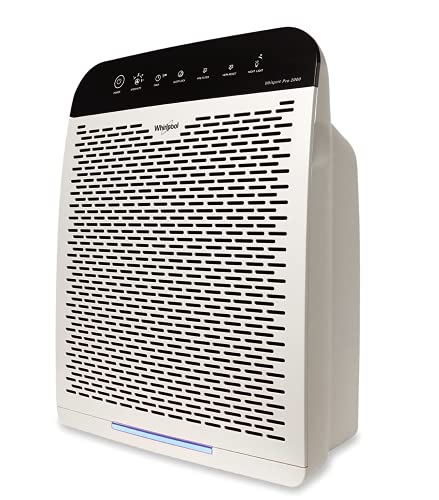
[ Best in its Class ] — Cleans air in a 508 sq. ft. space. For allergy sufferers, best use in 508 sq. ft. space. CADR rated 328. This makes the Wppro2000 the most powerful air purifier in its class.

[Coverage] Optimized to clean spaces up to 930 sq. ft. in 30 minutes or up to 1,860 sq. ft. in 60 minutes.

Custom Comfort Settings: bedroom fan with three fan positions, sleep mode with dimmed lights, and timer options (2, 4, 8 hours) for personalized use
Comparison of VOC Limits Across U.S. States

How do air freshener VOC limits compare across various U.S. states? We can see significant state comparisons that highlight regulatory trends. For instance, New York will restrict manual aerosol air fresheners to 10% VOC starting January 1, 2023, reducing further to 5% by 2027. In contrast, Ohio is implementing new limits, though details are less specific. States like Michigan are also updating their rules, adopting stricter Phase IV standards soon.
- New York: 10% (manual, 2023), 5% (2027)
- Ohio: New limits by mid-2023
- Michigan: Moving to Phase IV
Each state’s approach will affect manufacturers and consumers, showing a clear shift towards stricter regulations to enhance air quality. Additionally, biodegradability of ingredients in air fresheners plays a vital role in determining their environmental impact.
Recommended Products

Maximum Odor and Dust Control for Cat Litter Boxes – Our 53 CFM purifier uses 2.2 lbs of premium activated carbon, zeolite, and VOC filters—up to 90x more than others—for fast and powerful ammonia (urine) and poop odor removal. Not a cheap, ineffective battery operated toy.
Application - Odor Control

Health and Environmental Impacts of VOCs

As more states impose stricter VOC limits on air fresheners, it’s important to understand the health and environmental impacts these chemicals can have.
Health Risks
Exposure to VOCs can lead to immediate issues like headaches, dizziness, and respiratory problems, particularly for those with asthma or COPD. Prolonged exposure raises serious health risks, such as liver and central nervous system damage.
Environmental Concerns
Using air fresheners increases indoor VOC levels, worsening air quality for up to 20 hours. This rise in pollutants contributes to the formation of harmful secondary chemicals, impacting our indoor environment. Additionally, products that prioritize plant-based ingredients often include safer alternatives to traditional air fresheners that can reduce VOC emissions.
Challenges for Manufacturers in Reformulation

Maneuvering the challenges of reformulating air fresheners under stricter VOC limits is no small feat for manufacturers. We’re faced with the need for fragrance innovation while ensuring compliance strategies meet evolving regulations. As VOC limits drop considerably—like manual aerosol air fresheners needing to reduce from 30% to 10% by 2023—we must adapt quickly.
- Reformulating often involves redesigning fragrance blends to meet new exemptions.
- Testing for stability and efficacy can run up costs, sometimes reaching tens of thousands of dollars per SKU.
Supply chain complexities arise as we search for low-VOC raw materials that will maintain product quality. Through collaboration and strategic innovation, we can meet these challenges head-on, creating products that are both compliant and appealing to consumers. To ensure product effectiveness, manufacturers must consider advanced filtration systems that can enhance air quality while adhering to new regulations.
Recommended Products

Formulated with Ordenone odor neutralizer

Contains Metazene brand odor neutralizer.

LAVENDER is a soothing, spring-like floral-fruity air freshener fragrance infused with apple, cucumber and violet, softened by powdery undertones
Future VOC Regulatory Deadlines and Considerations

Given the rapid changes in VOC regulations, manufacturers like us need to stay well-informed about upcoming deadlines and compliance requirements. Future compliance hinges on key dates approaching in 2027. For instance, California’s aerosol air freshener limits will lower considerably, dropping from 10% to 5%.
To navigate these challenges effectively, we must develop robust regulatory strategies that address both federal and state-specific requirements. It’s critical to track various jurisdictions since they often differ. Additionally, we should consider the importance of regular cleaning to ensure hygiene in our products and spaces.
In summary, as we look ahead, we must:
- Reformulate products
- Update labels
- Adjust our supply chains
With the January 2027 deadline looming, staying proactive in compliance will guarantee we maintain market access and meet consumer needs effectively.
Recommended Products

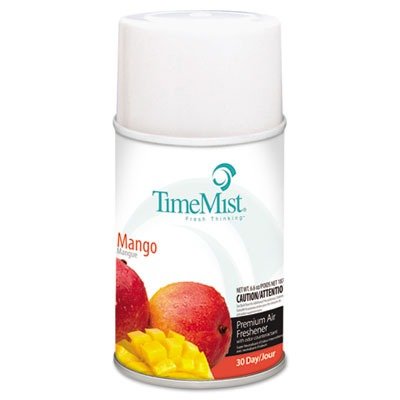
FRESH THINKING: Complex premium high-quality fragrance with essential oils ensuring a long-lasting experience.

TimeMist Automatic Metered Dispenser is designed to spray fragrance in 15-minute spray intervals. Keeping your spaces smelling fresh from odors and unwanted scents

Frequently Asked Questions
Recommended Products

3-STAGE FILTRATION PROCESS: The advanced H13 air filter integrated into the LP550 is designed to capture 99.97% of airborne particles, including dust, pollen, pet dander, and smoke, delivering a breath of fresh air and promoting a healthier living environment within your home. Enhance the quality of the air in your home, bedrooms, and kitchen through the efficient air purification capabilities of the LP550, creating a more comfortable and health-conscious environment for you and your family.

Notes of frankincense, petitgrain and wild chamomile essential oils: Create a peaceful place where you can be truly present to work, relax or play.

Notes of garden mint, citrus and eucalyptus: Return the kitchen to rights with this crisp, aromatic garden scent designed to freshen and remove residual cooking smells. Formerly known as Good Riddance Kitchen Odor.
What Are VOCS and Why Do They Matter?
Imagine a cloud of invisible, volatile compounds swirling around your home! These substances matter because they can harm your health, causing respiratory issues and other serious side effects, making indoor air quality something we need to prioritize!
How Can I Identify VOCS in Air Fresheners?
To identify VOCs in air fresheners, I use methods like GC-MS for accurate analysis. By separating compounds and comparing them to databases, I guarantee precise VOC identification, making my analysis effective and reliable.
Are There Eco-Friendly Alternatives to Traditional Air Fresheners?
I love using eco-friendly alternatives like natural scents from plant-based products or DIY fresheners I make at home. They brighten the air without harmful chemicals, keeping my space fresh and healthy.
How Do VOC Limits Affect Product Availability in Stores?
I’ve noticed that VOC limits greatly impact product selection. As manufacturers reformulate to comply, market trends shift, causing temporary shortages of compliant products. This leads me to reconsider my choices when shopping for air fresheners.
What Consumer Rights Exist Regarding VOC Labeling and Transparency?
I’ve noticed that consumer protection and labeling regulations often fall short. While some products declare low-VOC levels, many fragrance ingredients remain undisclosed. It’s frustrating when transparency isn’t prioritized for our health and safety.

