


The bag change indicator light alerts us when the dust bags or filters in our vacuum need replacement. This feature is essential for maintaining peak suction power and airflow efficiency. It works by measuring airflow changes, with electronic systems being more reliable than mechanical. Proper maintenance of the sensor and regular bag changes can prevent false alarms, ensuring effective cleaning. For better vacuum performance and longevity, we should keep an eye on this indicator, along with other helpful maintenance tips.
Key Takeaways
- The bag change indicator light alerts users when dust bags or filters need replacement to maintain suction power and airflow.
- It typically appears as a small bag icon, often in amber or red, indicating action is needed.
- The indicator relies on sensors measuring airflow changes, providing instant visual feedback regarding bag status.
- Electronic indicators are generally more reliable than mechanical ones, but sensor placement and environmental conditions can affect performance.
- Regular maintenance, including bag replacements and filter cleaning, ensures accurate readings and prolongs vacuum lifespan.
Definition and Function of Bag Change Indicator Light
You may be interested
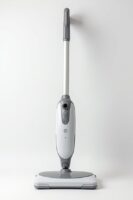


The bag change indicator light is a key feature in many devices, helping us know when it’s time to replace dust bags or filters. This essential functionality overview keeps our appliances running efficiently. The indicator symbol, often appearing as a small bag icon, serves as an automated reminder.
Here are some key points about its function:
- Maintenance Alert: It alerts us before bags are too full, preventing clogs.
- Optimal Performance: By ensuring clean filters, we enhance airflow and system reliability.
- User-Friendly Design: The symbol’s color, typically amber or red, indicates urgency. Additionally, maintaining bags and filters is crucial for enhancing suction power, ensuring effective cleaning across various surfaces.
How the Bag Change Indicator Works
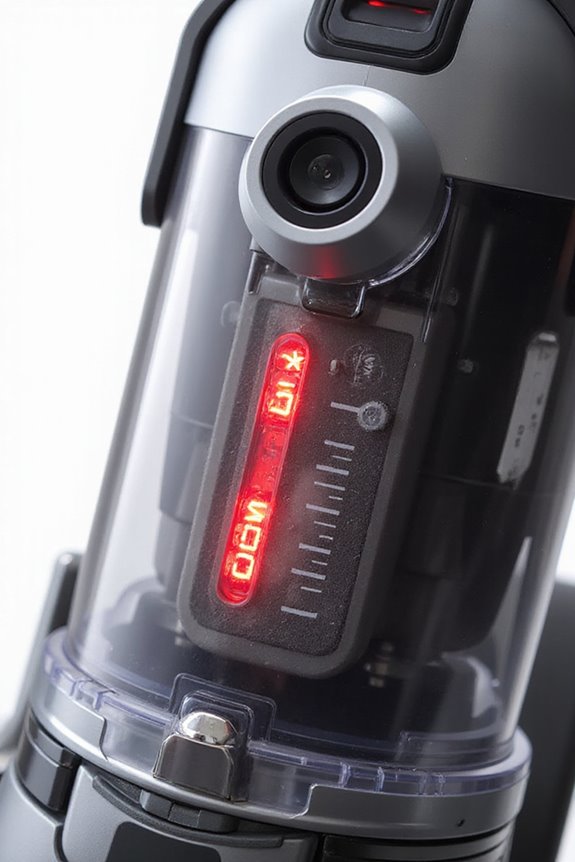
Understanding how the bag change indicator works helps us appreciate its role in maintaining our appliances. This device relies on indicator technology that measures airflow changes. As we use our vacuum, the bag fills up, leading to reduced airflow; this triggers the indicator to signal that it’s time for a bag change.
- The sensor detects shifts in airflow, not just bag fullness.
- With electronic systems, we get instant visual feedback, while mechanical systems require us to check manually.
To guarantee accuracy, we should use a new bag and keep the system free of blockages. Remember, while the indicator is helpful, checking the bag physically remains essential for peak performance and prolonging our vacuum’s life. Additionally, maintaining a HEPA filtration system is crucial for ensuring effective allergen removal during cleaning.
Reliability of the Bag Change Indicator

When it comes to the reliability of bag change indicators, we need to evaluate several key factors that contribute to their effectiveness. Indicator accuracy primarily hinges on the quality of sensor technology used in vacuum cleaners. Some brands utilize airflow or pressure sensors, while others may be less reliable with mechanical systems.
- Electronic vs. Mechanical: Electronic indicators are generally more reliable.
- Sensor Placement and Material: Variability in sensor placement and bag material can affect performance.
It’s essential to understand that while these technologies provide alerts, they aren’t foolproof. Although some indicators are designed for precision, maintenance and environmental conditions can lead to inaccuracies, reducing our trust in their signals. Additionally, proper filter system efficiency is crucial for maintaining optimal performance.
Limitations and False Positives

While bag change indicators can be a helpful feature in vacuum cleaners, their limitations often lead to false positives that can confuse users. For instance, blockages in hoses or a sudden airflow restriction may trigger false alarms, even if the bag isn’t full. Additionally, sensor inaccuracies can arise from improper sensor calibration or drift over time, which decreases their ability to detect true bag status.
Here are some common causes:
- Environmental factors, like excessive dirt near sensors, can interfere with accurate readings.
- Usage habits, such as frequently vacuuming large debris, may affect sensor performance.
To minimize false positives, regular sensor calibration and cleaning can help maintain a reliable vacuum operation, ensuring that your bag change indicator accurately reflects reality. This is especially important for vacuum models like the Bissell CleanView Compact that rely on continuous suction for optimal performance.
Importance of Maintenance for Your Vacuum

Maintaining your vacuum isn’t just about keeping it clean; it plays a significant role in its overall performance and longevity. A solid maintenance schedule helps us extend vacuum longevity by reducing wear and tear. Regularly cleaning filters and changing bags prevents motor strain and overheating, ensuring we get efficient suction every time.
Here are some key benefits of vacuum maintenance:
- Prolongs lifespan and delays costly replacements.
- Enhances indoor air quality by effectively removing allergens.
- Lowers electricity bills by sustaining suction power.
Additionally, adhering to a recommended replacement frequency for vacuum bags can dramatically improve suction efficiency, addressing filtration efficiency as a critical factor for optimal performance.
Comparison With Other Maintenance Indicators
Other models may offer audible warnings in addition to visual cues, ensuring we’re always aware when maintenance is needed. Ultimately, understanding these indicators can enhance our vacuum experience, improving both efficiency and cleanliness over time. Additionally, considering the filtration systems in high-efficiency models can significantly impact air quality and overall performance.
Practical Tips for Users
When it comes to vacuum maintenance, having a few practical tips on hand can make a big difference. Regular bag changes are essential, ideally every three months or after using four bags. This not only aligns with bag maintenance tips but also guarantees vacuum performance improvement.
Here are some key steps we can follow:
- Before replacing bags, always disconnect the vacuum to guarantee safety.
- Check your bags visually, as clogs from fine dust can cause early indicator warnings.
- Confirm bags are properly tucked to enhance airflow.
- Don’t forget to replace motor filters simultaneously for peak operation.
Understanding Airflow and Performance
To understand how airflow affects vacuum performance, it’s vital to recognize that airflow restriction can considerably impact our cleaning results. Effective airflow dynamics are essential for ideal suction efficiency. When we use tools like turbo or crevice attachments, they can obstruct airflow, leading to decreased suction and potentially triggering a false full bag signal.
To guarantee our vacuum performs at its best:
- Keep pathways clear: Unobstructed airflow enhances cleaning power.
- Monitor bag condition: A full or clogged bag reduces efficiency, leading to increased backpressure.
- Watch for changes: Unusual sounds can indicate airflow issues.
Maintaining clear airflow not only boosts performance but also prolongs our vacuum’s motor life by preventing overheating. Let’s prioritize these practices for better cleaning results!
Regular Inspection vs. Indicator Alerts
Understanding how a vacuum’s airflow impacts its performance leads us to recognize the importance of regular inspection for our air bag indicator lights. Regular checks guarantee that our vehicles meet inspection criteria, confirming no defects in the air bag system. They’re essential since indicator lights may not always reveal hidden problems.
While indicator functionality provides useful warnings, they shouldn’t be our sole reliance. Some jurisdictions allow vehicles with illuminated air bag warnings to pass standard inspections. Consequently, we should perform physical inspections to catch issues like wiring damage or deployed air bags. These thorough checks help keep us and our passengers safe. Remember, a well-functioning air bag system is critical for our vehicle’s overall safety and performance.
Frequently Asked Questions
Can I Reset the Bag Change Indicator Light?
Sure, you can reset indicators on your vacuum. After replacing the bag, I often hold the reset button, ensuring proper vacuum maintenance. If it doesn’t reset, I check for blockages or filter issues.
Do All Vacuum Models Have a Bag Change Indicator?
Not all vacuum models have bag change indicators. I’ve noticed that advanced vacuum technology often includes these bag features, while budget-friendly options might skip them. It’s crucial to check your vacuum’s specifications to be sure.
How Often Should I Change the Vacuum Bag?
I usually change my vacuum bag every two to three months, but for better performance and air quality, I follow vacuum maintenance tips and adjust the bag replacement frequency, especially in pet-friendly homes or heavy usage situations.
What Happens if I Ignore the Indicator Light?
Ignoring that light can really hurt your vacuum’s performance. I’ve learned that keeping an eye out for bag replacement signs and following vacuum maintenance tips helps guarantee peak cleaning and extends my vacuum’s lifespan.
Are There Specific Bags Compatible With My Vacuum’S Indicator?
I’ve found that using the correct bag types guarantees my vacuum works efficiently. It’s vital to check vacuum compatibility with bags, as using the wrong ones can lead to performance issues and potential indicator malfunctions.


