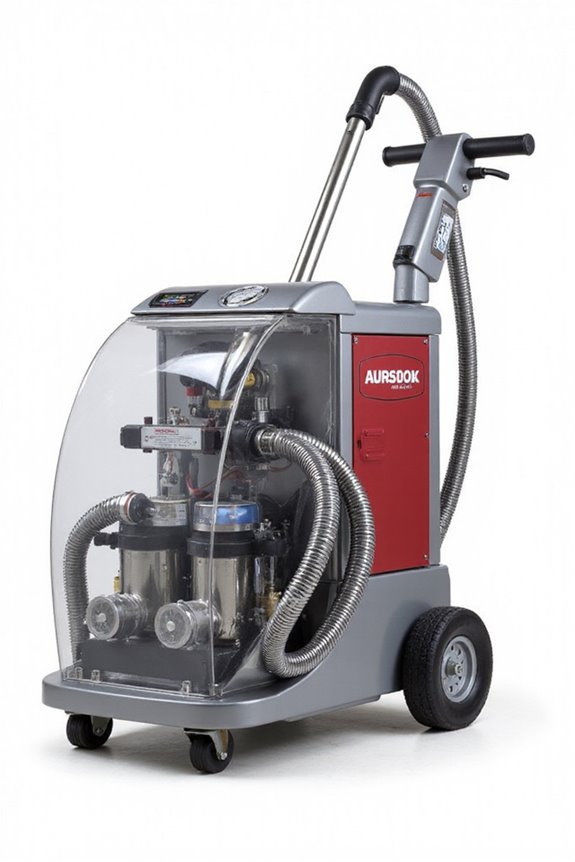

Encapsulation crystal residue comes from the encapsulation carpet cleaning process, where polymers crystallize dirt. While this method is efficient, improper vacuuming can lead to residue build-up, resulting in a rough carpet texture and attracting more dirt. To avoid this, we should follow manufacturer guidelines, use proper agitation tools, and vacuum thoroughly after cleaning. With effective management, encapsulation greatly enhances carpet maintenance and can prolong its life. There’s more to uncover about how to handle these residues effectively.
Key Takeaways
- Encapsulation crystal residue forms when cleaning agents crystallize on carpet fibers, potentially leaving a rough texture if not properly vacuumed.
- Accumulation of residues can attract dirt, leading to rapid re-soiling, necessitating regular vacuuming for optimal upkeep.
- Effective encapsulation relies on proper agitation and following cleaning protocols to prevent residue buildup and maintain carpet quality.
- Regular deep cleaning may be required for stubborn stains such as oils, which are not effectively resolved by encapsulation alone.
- Adhering to manufacturer guidelines ensures that carpets remain soft and visually appealing while minimizing residue issues.
Understanding Encapsulation Carpet Cleaning
You may be interested


When we’re looking at encapsulation carpet cleaning, we need to understand its unique process and benefits. This method involves applying a special chemical solution that uses acrylic polymers to effectively break the bond between soil and carpet fibers. One of the key encapsulation benefits is its cleaning efficiency, as it uses low moisture, leading to faster drying times—usually just 10-15 minutes.
Moreover, since this technique reduces detergent residue, it helps prevent carpets from re-soiling quickly. The pre-vacuuming step guarantees we remove loose dirt before applying the encapsulation solution, maximizing our results. After the solution dries, vacuuming extracts the crystallized dirt without leaving sticky residues. This makes encapsulation a practical choice for both residential and commercial environments. Additionally, its high suction power enhances the effectiveness of the cleaning process, ensuring thorough carpet maintenance.
The Chemical Nature of Encapsulation Residues

Understanding the chemical nature of encapsulation residues is key to appreciating their performance in cleaning applications. These residues, mainly composed of polymers and surfactants, form protective membranes around particles. By controlling residue composition, we enhance encapsulation properties, creating barriers that resist environmental degradation.
For example, graphene-based residues provide stability against solvents and heat, maintaining chemical integrity. Additionally, residues may include fluorochemical components, which improve cleaning efficacy, despite their non-crystalline appearance. Notably, many eco-friendly carpet cleaners utilize natural ingredients that align with the principles of sustainable cleaning, ensuring both effectiveness and safety.
The engineered properties of these residues allow for targeted interactions with surrounding materials, promoting effective cleaning. In short, by recognizing the intricate chemistry behind encapsulation residues, we can better understand their essential roles in cleaning technologies.
Mechanisms of Release and Stability in Encapsulated Compounds

The mechanisms of release and stability in encapsulated compounds are vital to their effectiveness, particularly in cleaning applications. We start with release kinetics, which involve an initial burst release followed by a sustained diffusion phase. This controlled release is essential for preventing premature degradation, as the crystalline structure protects the compound from moisture.
Stability factors matter too; the encapsulation masks undesirable properties like toxicity, allowing safe handling.
Key points include:
- Release Control: We can tune release rates by modifying solvent choice and encapsulant properties.
- Improved Longevity: Encapsulated crystals display enhanced stability against air and water, extending shelf life. Moreover, the use of eco-friendly steam cleaners can further enhance the cleaning process by effectively eliminating allergens and promoting a healthier living environment.
Overview of Encapsulation Systems

Encapsulation systems come in many forms, each utilizing different materials and methodologies to protect and deliver active compounds. We often see encapsulation types like liposomes, micro/nano particles, and core-shell structures that enhance the delivery systems of pharmaceuticals.
These systems use various materials, including biodegradable polymers like PLGA and lipids such as triglycerides, which are chosen for their low toxicity and biocompatibility. The encapsulation not only improves the solubility and stability of active pharmaceutical ingredients but also allows for controlled release, making them essential for treating chronic illnesses.
Key preparation methods include spray cooling and microfluidic techniques, offering precise control over particle size. As a result, encapsulated delivery systems have become important in modern pharmaceutical applications. Additionally, high suction power is crucial in ensuring effective delivery of these encapsulated compounds, maximizing their therapeutic potential.
Influence of Crystal Structure on Encapsulation Properties
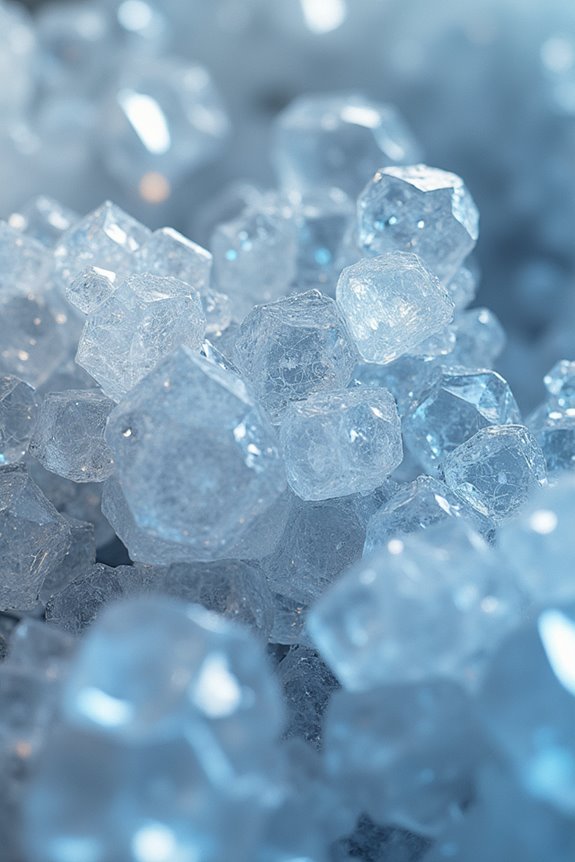
Crystal structure plays a significant role in determining how effectively materials can be encapsulated. The arrangement of crystal facets impacts surface energy, which in turn affects how well substances like Sb₂S₃ can be trapped within carbon nanotubes. For instance, smooth, defect-free single-walled CNTs promote strong covalent bonds, maximizing encapsulation efficiency.
In contrast, larger multi-walled CNTs with surface defects encourage amorphous phases, leading to reduced crystallinity. This is because surface defects can disrupt the formation of stable crystalline structures. Furthermore, the integration of advanced materials such as advanced filtration systems can enhance the stability and performance of encapsulated substances under various conditions.
Advantages of Encapsulation Residues
When considering how effective encapsulation can be, it’s clear that there are numerous advantages to using this method for cleaning carpets. One major benefit is faster drying—carpets dry in about 30 minutes. This reduces moisture use, lowering the risks of mold and bacteria.
Additionally, encapsulation efficiently crystallizes dirt particles, ensuring no sticky residues attract more dirt. This residue benefit results in carpets that look cleaner longer, which means fewer deep cleanings.
Cost-wise, we see savings with reduced water and chemical use, minimizing operational downtime. Overall, encapsulation fosters healthier environments, preserving carpet fibers while enhancing indoor air quality. It’s efficient, cost-effective, and environmentally friendly—a smarter choice for carpet care! Furthermore, machines like the Bissell BigGreen Commercial BG10 provide the powerful suction and user-friendly designs necessary for effective encapsulation cleaning.
Potential Challenges With Encapsulation Residues
Cleaning carpets with encapsulation can bring efficiency, but it’s crucial to recognize the potential challenges we might face with residue. One concern is residue accumulation, which can occur if vacuuming isn’t thorough after cleaning. Leftover crystallized agents can lead to a rough texture and attract dirt, speeding up re-soiling.
Additionally, the effectiveness of encapsulation can depend on the cleaning frequency and the type of soil. Heavier stains, like oils, may require more intensive methods. To guarantee peak results, we need to use the right agitation tools and adhere to proper cleaning protocols. Consistently managing these factors can help mitigate issues, ensuring our carpets remain clean and maintained over time.
Comparison With Traditional Carpet Cleaning Methods
While encapsulation carpet cleaning offers distinct advantages, it’s essential to compare it with traditional methods to grasp its true benefits.
Efficiency: Encapsulation uses low moisture, leading to quicker drying times compared to traditional steam cleaning, which requires heavy water use.
Residue Removal: Encapsulation traps dirt in crystals that easily lift during dry vacuuming. Traditional methods may leave sticky residues, resulting in faster re-soiling.
Environmental Impact: The encapsulation process reduces chemical usage and wastewater compared to traditional cleaning, aligning with sustainability goals.
Impact on Carpet Maintenance and Longevity
The impact of encapsulation crystal residue on carpet maintenance and longevity can greatly enhance the overall care of your carpets. By reducing re-soiling, encapsulation leaves no sticky residue, resulting in better carpet longevity. This helps maintain a cleaner appearance for longer and minimizes the frequency of deep cleanings.
We can improve our carpet maintenance practices through regular vacuuming, as encapsulated dirt and crystals are easier to remove. Additionally, following manufacturer directions and vacuuming promptly after treatment is essential.
Regular maintenance also lowers abrasive wear on fibers, preventing damage and extending time between replacements. Ultimately, effective encapsulation preserves the texture of the carpet, ensuring it stays soft and visually appealing, while supporting manufacturer warranties.
Frequently Asked Questions
Can Encapsulation Residues Cause Allergies in Sensitive Individuals?
Absolutely, I’ve learned that encapsulation residues can indeed cause allergic symptoms in sensitive individuals. Many experience sensitive reactions, ranging from mild itching to severe breathing difficulties, especially if they have a history of allergies.
How Long Does Encapsulation Residue Last on Carpets?
I’ve found that encapsulation lifespan on carpets really depends on timely vacuuming. For effective carpet maintenance, it’s essential to vacuum soon after cleaning, minimizing any residue that could last indefinitely if neglected.
Are There Specific Vacuum Types Recommended for Removing Encapsulation Residues?
It’s funny how we often underestimate our vacuum types, isn’t it? For cleaning efficiency, I’ve found dual motor vacuums and those with stiff brushes are essential for tackling toughest residues effectively. Don’t overlook them!
Can Encapsulation Cleaning Be Used on All Carpet Types?
I’ve found that encapsulation techniques aren’t suitable for all carpet types. For effective carpet maintenance, it’s important to take into account the fiber and pile type to avoid damage or ineffective cleaning. Always test first!
Is Professional Encapsulation Cleaning Necessary, or Can It Be Done DIY?
I wouldn’t trust DIY methods with my carpets—they’re like a toddler with a crayon! Professional services guarantee deep cleaning and care, so I can enjoy my carpets looking fabulous without worrying about potential disasters.