


When it comes to ozone cleaning, we need to respect safety limits for our health. For light work, the allowable level is 0.1 parts per million (ppm) over an 8-hour period. Moderate work allows for 0.08 ppm, while heavy work is capped at 0.05 ppm. Following these limits helps prevent respiratory issues and irritation. Keeping these guidelines in mind can make ozone cleaning effective and safe. Stick around to learn more about best practices and emergency actions!
Key Takeaways
- Ozone exposure limits vary by activity level: 0.05 ppm for heavy work, 0.08 ppm for moderate work, and 0.1 ppm for light work.
- Maintain proper indoor air quality to reduce allergens and promote a healthier work environment when using ozone cleaning methods.
- Regular monitoring of ozone levels ensures compliance with safety regulations and protects workers from harmful exposure.
- Implement safety precautions, such as removing sensitive individuals and using protective gear, to minimize risks during ozone cleaning.
- Conduct regular safety training and document procedures for ozone use to enhance accountability and ensure employee well-being.
Understanding Ozone and Its Uses
You may be interested

Chemical Storage Cabinet Specs?

COSHH Label Reading Guide?

Graffiti Remover Safety Steps?
Let’s explore the important role of ozone (O₃) in our environment and its various applications. Ozone’s properties, such as being a powerful oxidizing agent, make it essential for both environmental protection and cleaning. For example, it effectively absorbs harmful UV radiation, protecting life on Earth.
In our daily lives, ozone applications include purifying drinking water, where it removes pathogens and contaminants, ensuring safer water quality.
Additionally, it’s used in industrial waste treatment, breaking down pollutants with its strong oxidation capability. These uses demonstrate how beneficial ozone can be when managed properly. Understanding these properties and applications helps us utilize ozone while being aware of its challenges, making informed decisions about its use in our environment. Furthermore, awareness of non-toxic cleaning chemicals can enhance our cleaning practices while minimizing health risks.
Occupational Exposure Limits for Ozone

Here’s a quick summary of these limits:
- Heavy Work: 0.05 ppm over 8 hours
- Moderate Work: 0.08 ppm over 8 hours
- Light Work: 0.1 ppm over 8 hours
These standards are essential in monitoring ozone exposure and enhancing workplace safety, ensuring we all remain protected from potential harm. Additionally, maintaining indoor air quality is crucial for reducing allergens and promoting better health in various environments.
Recommended Products

【High-Efficiency Deep Cleaning】Our UV mattress vacuum cleaner features a powerful 500W motor, providing 16kPa of strong suction and 30,000 RPM high-frequency tapping. It penetrates deeply into mattresses and fabric layers, effectively removing fine dust, skin flakes. Keep your mattress and sofa consistently fresh and clean, creating a healthier sleep environment and allowing you to enjoy a healthier home life. (NOTE: Not suitable to absorb pet hair)
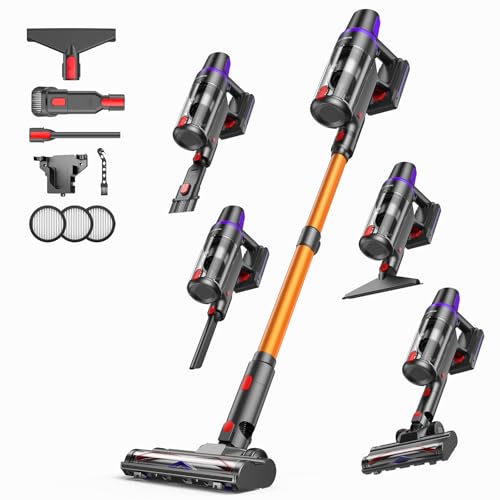
[3 Power Modes & 60-Min Runtime] This cordless handheld vacuum is equipped with a high-capacity battery that delivers up to 60 minutes of continuous cleaning in energy-saving mode. Choose from three power settings to adapt to different surfaces and tasks around your home. For added convenience, the battery can be removed for standalone charging, or you can use the included charging base for automatic power-ups and tidy storage

DuoClean PowerFins Technology: Two brushrolls—PowerFin and soft roller—provide nonstop contact on carpet and hard floors for deeper cleaning and more debris pickup in every pass (vs. original DuoClean).
Health Effects of Ozone Exposure

Ozone exposure can have serious health effects, especially when we’re unaware of its presence. We should consider ozone sensitivity, as vulnerable groups like older adults and children are particularly at risk. Exposure can lead to respiratory inflammation, worsening conditions like asthma and chronic obstructive pulmonary disease (COPD). High ozone days can trigger immediate breathing problems, such as shortness of breath, wheezing, and coughing.
Some key points to remember:
- Ozone increases the risk of respiratory infections and hospital admissions.
- A mere 20 ppb rise in ozone can correlate with a 0.5% increase in daily mortality.
- The risk of respiratory mortality in metropolitan areas is over threefold compared to low-ozone regions. Additionally, using eco-friendly cleaning products can help improve indoor air quality and reduce harmful chemical exposure.
Understanding these impacts is essential for our health and safety.
Short-Term vs. Long-Term Exposure Risks

When considering the effects of ozone exposure, it’s essential to understand the differences between short-term and long-term risks. Short-term irritants can cause immediate issues like coughing, chest pain, and shortness of breath, especially at levels around 0.3 ppm for brief periods. However, long-term consequences can be much more severe. Continuous exposure, even below critical levels, can lead to chronic respiratory diseases and nerve damage, impacting our lungs and brain over time. For example, a consistent 8-hour exposure limit is typically set at 0.1 ppm. Understanding these distinctions helps us prioritize safety measures, ensuring both immediate comfort and long-term health. Monitoring exposure levels is crucial to protect against both acute and chronic health issues. Additionally, high temperatures used in cleaning methods like steam cleaning can help reduce the need for hazardous materials, highlighting the importance of environmentally friendly options.
Safety Precautions for Ozone Use

As we explore the safety precautions for ozone use, it’s essential we prioritize both our health and the effectiveness of the cleaning process. Before ozone applications, we must inspect ozone machines, ensuring they’re operating correctly. Check for any buzzing sounds and possible ozone scents; these indicate proper function.
In preparation, we should remove people, pets, and sensitive plants from the area. Minimizing moisture levels improves ozone effectiveness, so using dehumidifiers might be necessary. Additionally, consider using eco-friendly alternatives like natural cleaners that reduce potential chemical exposure during the cleaning process.
Let’s also wear protective gloves and goggles to prevent skin and eye irritation. Finally, it’s vital that we allow sufficient time for ozone to dissipate before returning to treated spaces, ensuring a safe environment for everyone involved.
Recommended Products

Replacement filter for Shark NV500, NV501, NV502, NV503, NV505, NV510, NV520, NV552, UV560, NV642, ZU780, ZU782, ZU785,Compare to Part # XFF500

FIT MODELS – The AZ3002 vacuum filters are compatible with Shark Stratos DuoClean PowerFins Upright Vacuum Cleaner AZ3002 AZ3000 AZ3000W. Filter made of FSC-Certified paper.
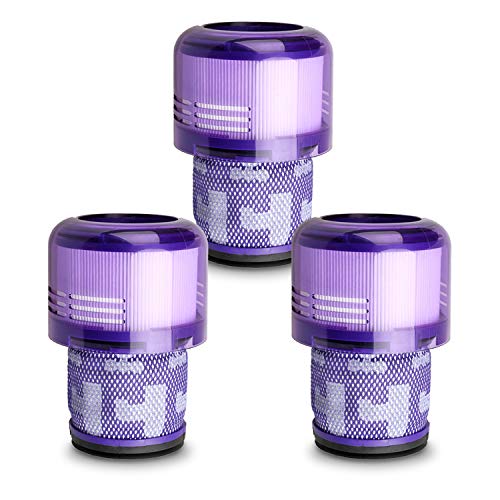
FIT MODELS – V11 V15 Filter Replacement for Dyson V11 Origin Cordless Vacuum (B00FZPRUTY, B0C2J7R8PY) V11 Animal V11 Torque Drive+ V11 Complete V11 Extra V11 Absolute V15 Detect (B0CFRH6NF2, B0CT97D9R2, B0C2J8KJH9) V15s Detect Submarine Vacuums. Compatible with Dyson filter replacement model numbers: Graded SV14, SV15, SV17, SV22, SV28, SV47. Please verify your vacuum model before purchasing to ensure a perfect fit.
Effective Control Measures in Ozone Cleaning
We can implement ozone cleaning protocols that include automated sensors and remote operation technologies. These measures help us monitor ozone levels effectively and restrict access to treated areas. Additionally, after cleaning, proper ventilation or air recycling is essential for reducing ozone levels before re-occupancy. By adhering to these best practices, we can make ozone cleaning both effective and safe, providing ideal results while protecting ourselves and the environment. Furthermore, the use of cleaning systems that prioritize hygiene maintenance aligns with the goal of promoting safer spaces in healthcare settings.
Recommended Products

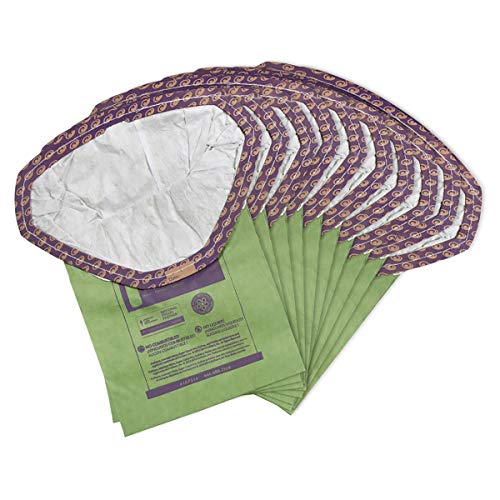
New and Improved: HyClean Air GN vacuum bags are slimmer in size with a more environmentally conscious design, offering a 10x better dust retention rate than Miele's original AirClean FJM bags

9 EnviroCare Replacement Micro Filtration Vacuum Bags to fit Eureka Mighty Mite 3670 and 3680 Series Canisters
Regulatory Guidelines and Standards
Understanding the regulatory guidelines and standards for ozone safety is essential for anyone involved in ozone cleaning. We must adhere to exposure limits set by organizations like OSHA and NIOSH, which recommend a maximum level of 0.1 ppm. These guidelines not only protect workers from harmful health effects but also help us comply with international standards.
Key points include:
- OSHA Guidelines: Enforceable limits for worker safety.
- EPA Standards: Protect public health by regulating ambient ozone levels.
Emergency Actions for Ozone Overexposure
When faced with ozone overexposure, knowing the right emergency actions can make all the difference. First, if someone’s eyes are exposed, we need to flush them with plenty of water for at least 15 minutes—urgent medical help is vital. For skin contact, the person should be immersed in warm water and assessed by medical personnel, so having shower facilities nearby is essential.
Inhalation requires immediate removal from the contaminated area. Once you’re safe, we must be ready to administer rescue breathing or CPR if necessary. Regular worker training on these emergency response procedures guarantees everyone knows their roles. Remember, quick action and communication can greatly reduce health risks in ozone exposure situations, leading to better outcomes for everyone involved.
Recommended Products
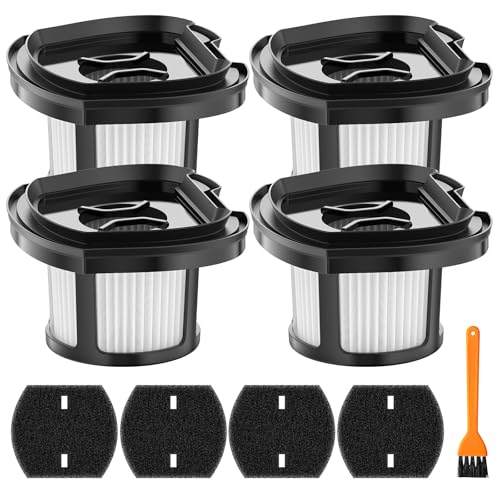
Compatible with Bissell Pet Hair Eraser Filter Hand Vacuum 2284W 2390 2389 2390A 2579 2389D 2389C 2057. Compare to Parts # 1614212 1614203 1614204.

This kit is designed to fits Shark Rocket Models: HV292 HV300, HV300W, HV301, HV302, HV303, HV305, HV308, HV310, UV450, UV450 26,Replaces Part# XFFV300

FIT MODELS – These vacuum replacement filters for Shark Rocket HV319, HV320, HV320W, HV321, HV322, HV323, HV324Q, HV325, HV343AMZ, HV345, HV401, UV345CCO, UV422, UV425CCO, UV480, ZS341, ZS350, ZS351, ZS352. Compare to Part # XPMFK320&1084FTV320.
Best Practices for Safe Ozone Handling
To guarantee safe ozone handling, implementing best practices is crucial for protecting workers and maintaining compliance. First, using ozone generators and handling equipment should only happen in controlled areas with plenty of ventilation. This reduces the risk of ozone accumulation and keeps everyone safe.
Next, we must guarantee continuous monitoring of ozone levels through fixed gas detection systems. This helps us detect leaks quickly and provide audible and visual alarms for any hazardous situations.
Lastly, using appropriate personal protective equipment (PPE) like full-face gas masks and gloves is essential for workers entering ozone-rich environments. Inspecting equipment regularly guarantees it operates safely, preventing unexpected exposure. By following these guidelines, we create a safer work environment for everyone involved.
Recommended Products
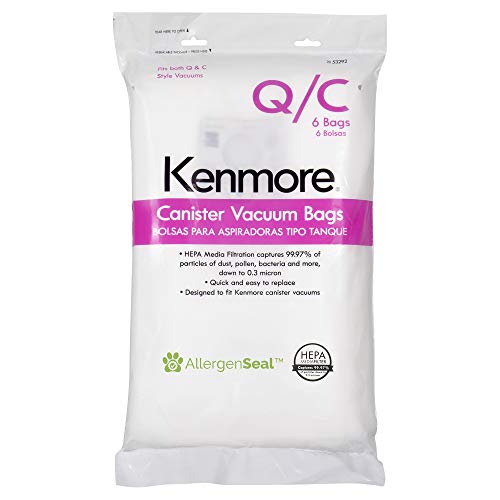
Fits Kenmore canister vacuum cleaners that use type Q replacement bags

Genuine Kirby HEPA Filtration – Designed with Micron Magic Plus technology, these high-performance vacuum bags help capture dust, dirt, and debris for a cleaner home.

Fits Kenmore upright vacuum cleaners that use type O replacement bags
Frequently Asked Questions
What Personal Protective Equipment Is Recommended for Ozone Cleaning Tasks?
When tackling ozone cleaning tasks, I always rely on PPE guidelines. I wear non-absorbent clothing, gloves, goggles, and a full-face respirator. Ozone safety’s paramount; using proper protective gear keeps me safe and effective.
How Can Ozone Exposure Affect Sensitive Individuals, Like Those With Asthma?
Have you ever considered how ozone sensitivity can trigger asthma symptoms? Even low levels can irritate airways, causing coughing and breathlessness, which could lead to serious complications for those with asthma. It’s definitely concerning.
What Environmental Factors Influence Ozone Concentration Levels During Cleaning?
When cleaning, I’ve noticed that ozone generation really peaks with warm weather conditions and sunny days. Stagnant air helps accumulate ozone too, so I always check the weather before I start indoor cleaning tasks.
Are There Specific Training Programs for Employees Working With Ozone?
There’re specific training programs focused on ozone safety that comply with ozone regulations. I’ve found courses like O3 Aware immensely helpful for understanding hazards and best practices, enhancing safety awareness among employees working with ozone.
How Often Should Ozone Monitoring Be Conducted in Cleaning Environments?
In cleaning environments, I recommend incorporating ozone detection methods regularly. Following cleaning frequency guidelines, I suggest monitoring ozone levels every three days and performing quality control checks bi-weekly to guarantee safety and compliance with standards.
