


Understanding COSHH labels is essential for safety with hazardous substances. When we look at COSHH labels, we notice key elements like the manufacturer’s details, product identifiers, and hazard symbols. These essentials help us identify risks, while signal words like “Danger” highlight levels of threat. Additionally, precautionary statements give guidance on safe handling. By familiarizing ourselves with these components, we can effectively manage chemical hazards. Stick around, and we’ll explore more about safety data sheets and compliance strategies!
Key Takeaways
- Identify the manufacturer details, including name, address, and contact, for effective communication in case of emergencies.
- Recognize the product identifier to ensure you’re handling the correct hazardous substance.
- Look for hazard symbols and pictograms, as they visually communicate potential risks like toxicity and flammability.
- Pay attention to signal words; “Danger” indicates high risk while “Warning” suggests a lower risk level.
- Follow precautionary statements for safe handling, prevention, and emergency response to minimize exposure risks.
Understanding COSHH and CLP Regulations
You may be interested

Chemical Storage Cabinet Specs?

Graffiti Remover Safety Steps?

HEPA Filtration Versus ULPA?
When we look at COSHH and CLP regulations, it’s important to understand how they safeguard us in the workplace. COSHH, or the Control of Substances Hazardous to Health, helps prevent health risks from hazardous substances. CLP, which stands for Classification, Labelling, and Packaging, brings uniformity to how we identify these hazards.
Together, they guarantee we recognize risks through clear hazard identification. Recent regulatory updates also mean we must consider new classifications introduced by CLP since 2010. For instance, suppliers now include clear safety data sheets with hazard information. This not only makes our jobs safer but also helps us manage exposure effectively. By understanding these regulations, we’re better equipped for a safer workplace. Additionally, having chemical-resistant bottles on hand can enhance safety when handling hazardous substances in cleaning operations.
Key Elements of COSHH Labels

Understanding the key elements of COSHH labels is essential for maintaining a safe workplace. COSHH labels feature several important components that help us identify and manage chemical hazards effectively.
Key label components include:
- Manufacturer Details: This includes the name, address, and contact information for safety inquiries.
- Product Identifier: Knowing the chemical name or code is vital for effective communication.
- Hazard Symbols: These instantly convey critical risks, such as toxicity or flammability, and follow internationally recognized standards. Maintaining proper storage practices is also crucial to ensure safety and compliance with COSHH regulations.
Recommended Products

New and Improved: HyClean Air GN vacuum bags are slimmer in size with a more environmentally conscious design, offering a 10x better dust retention rate than Miele's original AirClean FJM bags
Fits Kenmore canister vacuum cleaners that use type Q replacement bags
Importance of Signal Words and Pictograms

Signal words and pictograms play an essential role in conveying important safety information about chemicals. Understanding their significance is vital for our safety in the workplace.
- Signal Word Significance: Words like “Danger” and “Warning” help us quickly assess hazards. “Danger” indicates a high risk, while “Warning” suggests a lesser risk.
- Pictogram Recognition: These visual symbols, framed in red, communicate specific hazards like flammability or toxicity. They provide immediate understanding, even in multilingual environments. Moreover, recognizing biodegradable ingredients on COSHH labels can help ensure that we choose safer cleaning supplies that minimize harm to both health and the environment.
Recommended Products

Perfect Compatible with Shark Navigator Lift Away Models: NV350_26, NV350A_26, NV350E, NV350Q, NV350T, NV350W, NV350W_N, NV350WC, NV351, NV351C, NV351WM1, NV351WM2, NV352, NV352C, NV352CFS, NV352E, NV352Q, NV354C, NV355, NV355-26, NV355C, NV355CFS, nv356E, NV356K, NV356Q, NV357, NV358, NV358BRN, NV360, NV367, NV360K, NV361BK, NV361PR, NV370, NV370_26, NV380, NV391, NV391C, UV440, UV440CCO, UV440CCOFS, UV490CCO, UV500WM, UV540, UV540CCO, UV541CCO, UV550, ZU503AMZ, CU500/CU512 series, Compare to Part # Xff350 & # Xhf350.
Precautionary Statements and Their Significance

Precautionary statements are crucial for our safety, as they guide us on how to handle hazardous substances effectively. These standardized phrases help us implement precautionary measures that minimize risks of exposure. For instance, they provide essential information about prevention, response, storage, and disposal.
By following these guidelines, we can:
- Avoid accidents with statements like “Do not eat, drink or smoke when using this product.”
- React appropriately in emergencies with instructions such as, “If swallowed: Immediately call a poison center.”
- Guarantee proper storage and disposal, preventing environmental harm. Additionally, it is important to choose non-toxic cleaning products that reduce the risk of harmful exposure while maintaining a clean home environment.
The Role of Safety Data Sheets (SDS)
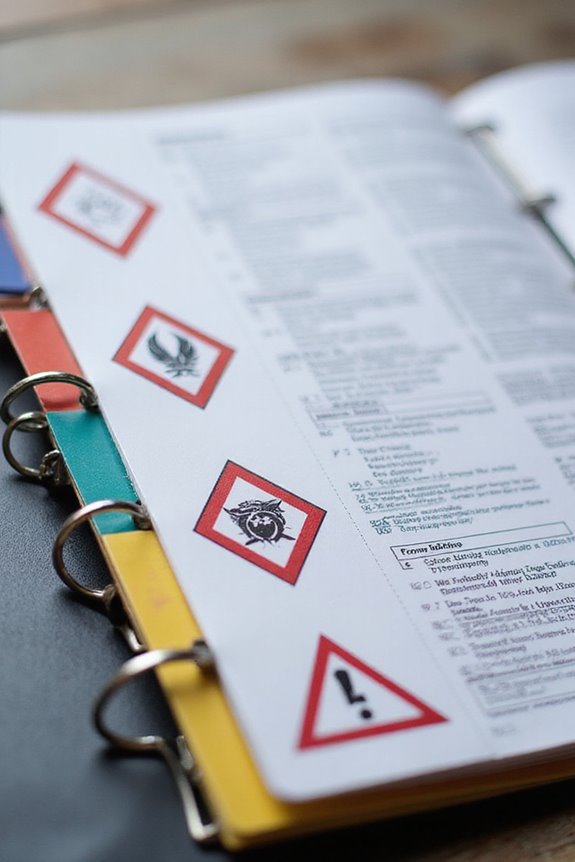
Safety Data Sheets (SDS) play an essential role in managing chemical safety in the workplace, complementing the precautionary statements we’ve discussed. Their importance can’t be overstated; they provide crucial hazard communication for anyone handling chemicals.
Key features of an SDS include:
- 16 Sections: These cover everything from chemical identity to safe handling and emergency measures.
- Risk Assessment Foundation: SDS data helps us perform effective COSHH risk assessments, identifying necessary control measures.
- Accessibility: We must guarantee SDS are readily available, empowering employees with knowledge about the chemicals they use. Additionally, proper handling and storage of these chemicals ensures user safety precautions to prevent accidents and ensure a safe work environment.
Recommended Products

Replacement filter for Shark NV500, NV501, NV502, NV503, NV505, NV510, NV520, NV552, UV560, NV642, ZU780, ZU782, ZU785,Compare to Part # XFF500
FIT MODELS – V11 V15 Filter Replacement for Dyson V11 Origin Cordless Vacuum (B00FZPRUTY, B0C2J7R8PY) V11 Animal V11 Torque Drive+ V11 Complete V11 Extra V11 Absolute V15 Detect (B0CFRH6NF2, B0CT97D9R2, B0C2J8KJH9) V15s Detect Submarine Vacuums. Compatible with Dyson filter replacement model numbers: Graded SV14, SV15, SV17, SV22, SV28, SV47. Please verify your vacuum model before purchasing to ensure a perfect fit.
Compliance Strategies for Employers
When we think about compliance strategies for employers under the Control of Substances Hazardous to Health (COSHH) regulations, it is vital to understand our responsibilities in guaranteeing a safe workplace. Effective compliance training is important; it equips employees with knowledge on handling hazardous substances safely. Regular risk assessments help us identify potential hazards and guarantee our control measures are appropriate.
To foster a safe environment, we can implement the following strategies:
- Provide appropriate PPE and conduct routine checks.
- Engage employees in risk assessments to enhance accuracy.
- Guarantee clear communication regarding COSHH policies and emergency procedures. Additionally, we should ensure user training availability for the safe use of any cleaning equipment involved in handling hazardous substances.
Recommended Products

Includes 4 HEPA replacement filters and 4 pieces of sponge sets, offering great value for uninterrupted cleaning. Long-lasting and cost-effective, keeping your vacuum operating at peak performance for longer.

Compatible with; this pre filter replacement fit for tineco a10 a11 hero, a10/a11 master, a10 dash, pure one s11 series, s12, x cordless vacuum cleaner. Please check your machine number or part number
Challenges in Labeling and Risk Communication
Labeling hazardous substances is no simple task, especially given the numerous challenges we face in risk communication. One major issue is label standardization challenges. Different regulations, like OSHA and GHS, cause confusion, as companies must frequently update labels to meet evolving standards. This can overwhelm smaller businesses without the internal expertise to navigate compliance.
Additionally, visual communication barriers complicate understanding. Language requirements and diverse packaging make clear communication tough. Hazard pictograms can be misinterpreted, especially if employees lack proper training.
To effectively mitigate risks, we must improve our approach. We can prioritize clearer labels and foster training programs, ensuring everyone understands the vital information on product labels. By addressing these challenges, we enhance workplace safety.
Frequently Asked Questions
How Often Should COSHH Labels Be Updated?
I believe label update frequency should align with compliance standards; ideally, labels are reviewed at least every three years or sooner if new hazard information arises. Keeping them current guarantees safety and regulatory adherence consistently.
What Should I Do if a Label Is Damaged?
If I find a damaged label, I immediately segregate the container and inform my supervisor. Then, I initiate label replacement to guarantee all hazard information is clear and compliant for safety in the workplace.
Are There Specific Label Formats for Certain Industries?
I understand some might think all labels are the same, but different industries do follow specific label standards. Adhering to these guarantees compliance with regulations, enhancing safety and communication for the materials being handled.
Can I Create My Own Labels for Substances?
I can’t create my own labels without meeting safety standards. Proper label design must comply with regulations to guarantee accurate hazard communication. I prefer relying on supplier-provided labels for guaranteed safety and compliance.
How Do I Report Non-Compliance With Labeling Regulations?
When I notice non-compliance with labeling regulations, I follow reporting procedures by documenting the issue, conducting compliance checks, and promptly notifying our health and safety officer to guarantee corrective actions are taken.

