


When it comes to commercial degreaser strength levels, we classify them to match cleaning needs. There are light, medium, heavy-duty, and industrial strength degreasers. For example, light degreasers (1:30 to 1:100 dilution) are great for daily spills, while heavy-duty ones (1:1 to 1:8 dilution) tackle tough grease. Understanding these classifications helps us choose the right product for effective cleaning. If you’re curious about the specific applications of these degreaser types, keep exploring!
Key Takeaways
- Light degreasers are ideal for daily upkeep and mild soils in commercial settings.
- Medium degreasers effectively handle moderate buildups, making them suitable for kitchens and workshops.
- Heavy-duty degreasers are designed for tough grease and oil in industrial environments.
- Industrial strength degreasers address severe contamination, particularly in automotive and oil sectors.
- Advanced technology ensures faster cleaning while preserving sensitive surfaces, with eco-friendly options available.
Understanding Degreaser Strength Classifications
You may be interested
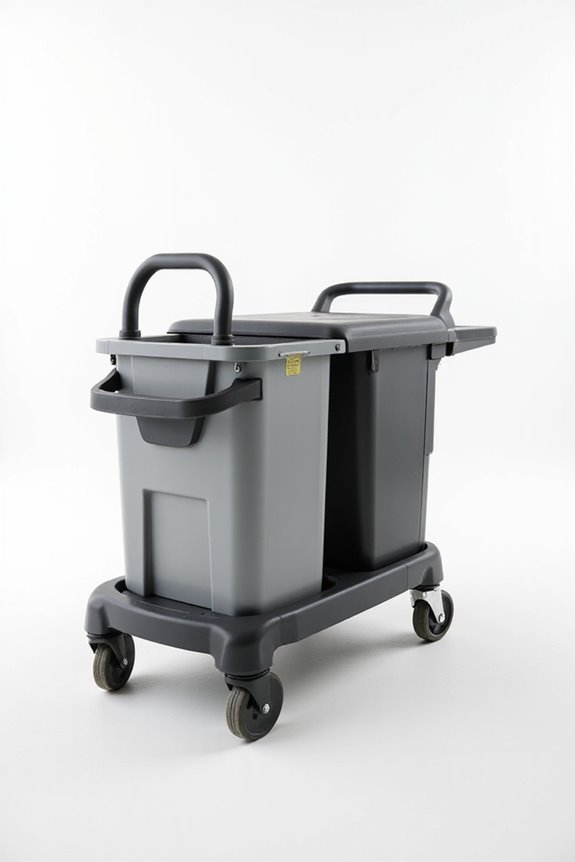
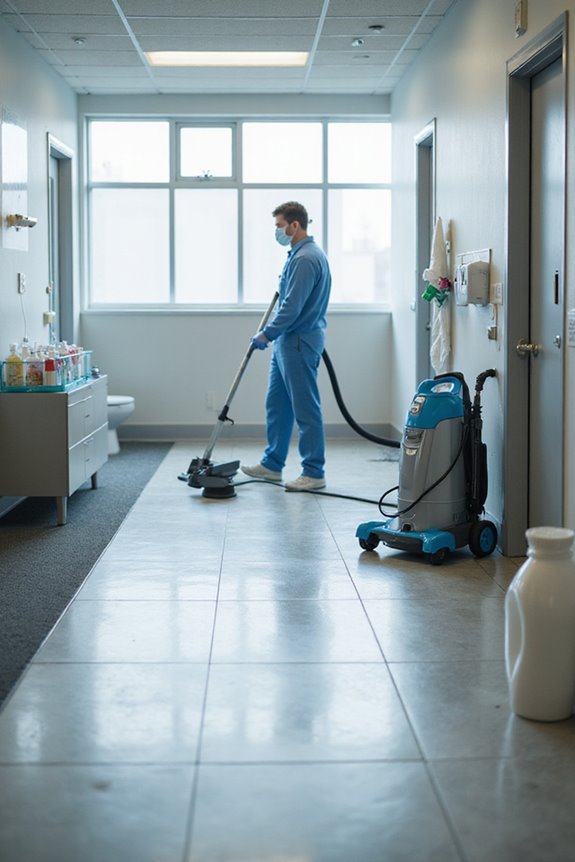
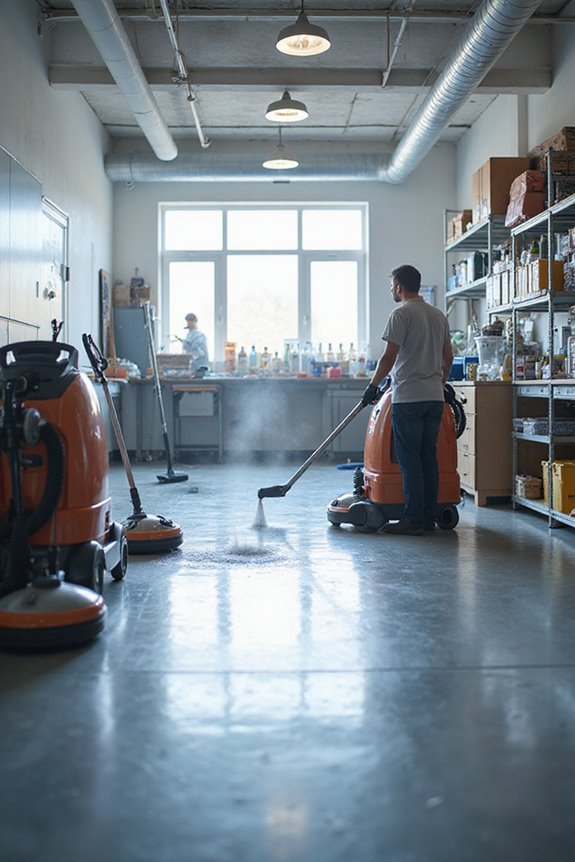
When it comes to choosing the right degreaser for your cleaning needs, understanding the different strength classifications is vital. We often encounter classifications ranging from light to industrial-grade, each designed for specific applications. This directly impacts degreaser efficiency, ensuring we follow appropriate cleaning protocols.
Here’s a quick breakdown:
- Light Degreasers: Great for daily upkeep on mild soils.
- Medium Degreasers: Handle moderate buildups, perfect for kitchens.
- Heavy-Duty Degreasers: Tackle tough grease and oil in industrial settings.
- Industrial Strength: Intended for severe contamination, important in automotive or oil industries. Additionally, just like heavy-duty cleaning machines, advanced technology is essential for achieving faster and more effective results in various cleaning applications.
Ideal Dilution Ratios for Different Cleaning Tasks
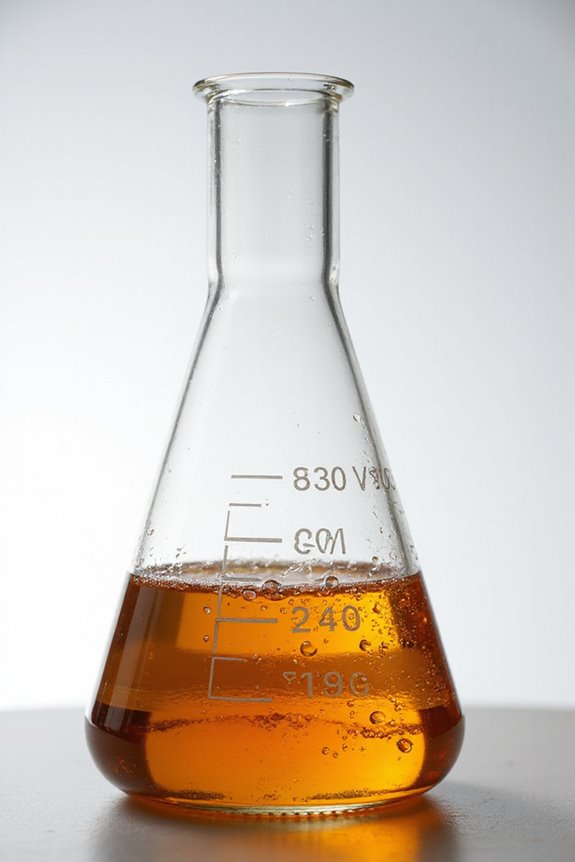
Having a solid understanding of degreaser strength classifications helps immensely in determining the right dilution ratios for various cleaning tasks.
For light-duty applications, we typically use dilution ratios from 1:30 to 1:100. This works well for cleaning desks and windows. Medium-duty tasks, like cleaning workshop floors, require a stronger mix, usually around 1:8 to 1:20, to handle moderate grease.
When we’re looking at heavy-duty solutions, the ratios drop to between 1:1 and 1:8, perfect for tough grime in industrial settings. Furthermore, choosing customizable dilution ratios can enhance effectiveness based on specific cleaning needs. Finally, specialty cleaning tasks can vary greatly, with extremely high ratios, like 1:127 for laundry. By choosing the right dilution ratios, we guarantee effective cleaning while using resources wisely.
Recommended Products

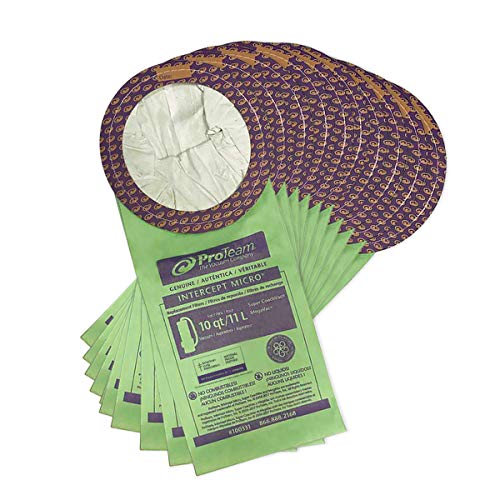
ST Style Sanitaire Bag

VACUUM CLEANER BAGS: Ensure your vacuum cleaner operates at peak performance with these Oreck Commercial Vacuum Cleaner Bags.
Importance of Safety in Degreaser Use
Safety in degreaser use isn’t just a suggestion—it’s essential for protecting ourselves and our workspace. By prioritizing hazard awareness, we can identify risks associated with toxic solvents and understand the importance of reviewing Safety Data Sheets (SDS). Knowing how to read GHS pictograms helps us recognize both chronic and acute toxicity, critical for our health.
Using appropriate PPE considerably increases our safety. We should wear chemical-resistant gloves, safety goggles, and even respirators in poorly ventilated areas. Remember, proper fit and condition are crucial for PPE effectiveness.
In a well-ventilated workspace, we can reduce the risk of harmful vapor inhalation. Preparedness can make all the difference; let’s guarantee we handle degreasers safely to protect ourselves and the environment. Additionally, considering products with biodegradable ingredients can offer a safer option that minimizes environmental impact.
Chemical Composition of Degreasers
Understanding the chemical composition of degreasers helps us appreciate their cleaning power and effectiveness. These products rely on water as a primary diluent, ensuring solubility of active ingredients and safer application.
Key components include:
- Builders and alkaline agents like sodium silicate, enhancing efficiency by breaking down soils.
- Detergents and surfactants, such as linear alcohol ethoxylates, which reduce surface tension and emulsify grease.
- Chelating agents like tetrasodium EDTA help bind metal ions, improving rinseability.
Together, these ingredients create potent chemical interactions and ingredient synergies that enable degreasers to tackle various cleaning challenges effectively, while staying environmentally friendly. Additionally, utilizing non-toxic materials in cleaning products ensures a safer environment for spaces with children and pets. As we explore these components, we gain insight into why they work so well in cleaning applications.
Environmental and Regulatory Considerations

When we look at the environmental and regulatory considerations surrounding commercial degreasers, it’s clear that compliance is vital for both health and safety. Regulatory limits, like those on VOC compliance, dictate that many states restrict volatile organic compounds in degreasers to reduce ozone and smog. For instance, the South Coast Air Quality Management District caps VOC content at 25 grams per liter.
To enhance air quality, businesses should implement emission controls, such as vapor recovery units, which capture solvent vapors effectively. Additionally, toxicity assessments help us guarantee that we’re using safer alternatives, especially with phaseouts for toxic chemicals like PCE and TCE. Understanding these environmental regulations helps us make informed choices that protect our health and the planet. Eco-friendly cleaners are becoming increasingly popular as businesses seek to reduce their environmental impact while maintaining effective cleaning solutions.
Heavy-Duty Degreasers: Applications and Best Uses
Heavy-duty degreasers are vital tools in various industrial and commercial settings, especially where tough grease and grime build-up can hinder operations. We often use them for cleaning heavy-duty equipment, machines, and surfaces heavily contaminated by oil and dirt. Their fast-acting formulas break down stubborn grime, guaranteeing operational efficiency in our facilities.
Best Applications:
- Automotive: Engine degreasing and parts cleaning.
- Manufacturing: Machinery maintenance and equipment cleaning.
- Construction: Tool cleaning and surface preparation.
When using heavy-duty degreasers, it’s important to adjust dilution ratios based on soil type for effectiveness. Remember, some formulations are hazardous, so always wear the proper personal protective equipment and maintain adequate ventilation during industrial cleaning. Additionally, utilizing industrial cleaning solutions can further enhance the cleaning process in challenging environments.
Recommended Products

Fits Modes: Fits all Oreck XL vacuum cleaners, XL7, XL21, 2000, 3000, 4000, 8000 and 9000 series vacuum cleaner. Replaces Part # CCPK8DW. Ensuring a perfect match with your Oreck vacuum cleaner.

[Wide Compatibility]- Vacuum bags for Miele S3410, S4210, S7580, S400i-S456i, S600-S658, 5800-S858, S2000-S2999, S5000-S5999, S8000-S8999, Complete C3, Complete C2, Complete C1, Compact C1, Compact C2, Classic C1, S227 S240, S270 S280 S400, S2, S5, S8 Series, S7 Electro+,S6 Electro+. It is the perfect replacement for Miele GN vacuum bags.

Compatible Models: Type Y vacuum bags fit Hoover WindTunnel upright vacuum cleaners that use Style Y, Z, YZ bags. Fits Part Number: 4010100Y, AH10040, 902481001, AH10165. (!!!Please check your model carefully)
General Purpose Degreasers: Balancing Efficacy and Safety
General purpose degreasers play an essential role in our cleaning arsenal, especially for light to moderate jobs. These products often come as concentrates, needing proper dilution for ideal efficacy and safety. We typically mix them in ratios of 5:1 to 10:1, allowing us to customize strength based on the soil’s severity.
- Dilution Accuracy: Proper mixing tools guarantee we achieve the right concentration, which maximizes grease removal while minimizing damage to surfaces.
- Formulation Effectiveness: Many formulations enhance performance through added enzymes or surfactants, making them suitable for a variety of materials.
Recommended Products

New and Improved: HyClean Air GN vacuum bags are slimmer in size with a more environmentally conscious design, offering a 10x better dust retention rate than Miele's original AirClean FJM bags
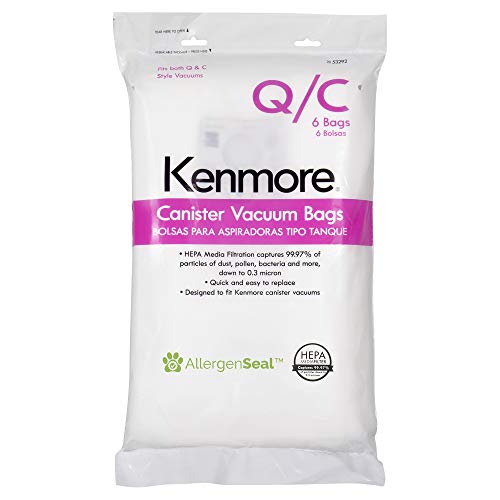
Fits Kenmore canister vacuum cleaners that use type Q replacement bags
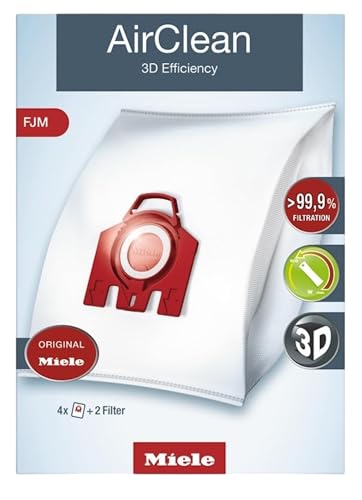
New and Improved: HyClean Air FJM vacuum bags are slimmer in size with a more environmentally conscious design, offering a 10x better dust retention rate than Miele's original AirClean FJM bags
Light-Duty Degreasers: Suitable Applications
Light-duty degreasers are often the unsung heroes in our cleaning routines, especially for everyday tasks. These versatile products are perfect for light duty applications, allowing us to tackle minor grease without using harsh chemicals. For instance, I often use them in kitchens to clean countertops and equipment with light grease, or in offices for routine surface maintenance.
Here are a few common degreaser types:
- Citrus-based formulations for a fresh scent and effective cleaning.
- Water-based options that are safer for the environment.
These degreasers not only provide effective cleaning but also guarantee we’re preserving sensitive surfaces, ensuring safety and efficiency in our cleaning activities.
Recommended Products

9 EnviroCare Replacement Micro Filtration Vacuum Bags to fit Eureka Mighty Mite 3670 and 3680 Series Canisters

Miele AirClean 3D Efficiency GN Dust Bags: These vacuum cleaner dust bags are highly efficient even when vacuuming at a low power level, ensuring maximum utilisation of the bag's large capacity
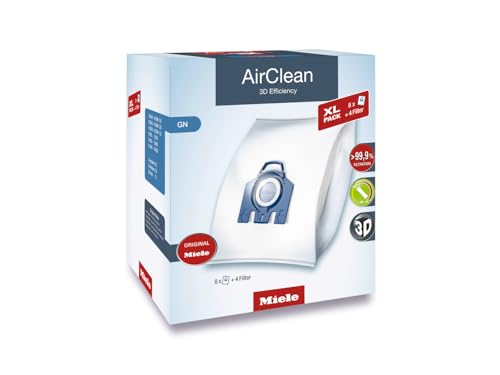
Only Original Miele AirClean branded FilterBags are recommended with Miele Vacuum Cleaners; off-brand bags and filters may cause damage to the machine and significantly limit performance
Compatibility With Various Surfaces and Materials
When we’re cleaning various surfaces, it’s essential to guarantee the degreaser we choose is compatible with the materials involved. Incompatible degreasers may lead to material degradation, causing issues like cracking or swelling. To avoid this, we should consider the surface interaction between the degreaser and the materials.
Here are some key points:
- Sensitive Materials: Always check compatibility labels for plastics, rubbers, and coatings.
- Testing: Conduct tests when using a new degreaser on delicate surfaces like PVC or polycarbonate.
- Water-Based Options: These are generally safer for a variety of surfaces compared to solvent-based alternatives.
Innovations in Eco-Friendly Degreasing Solutions
Have you ever wondered how innovations in eco-friendly degreasing solutions can make cleaning more effective and safer? We’re seeing incredible advancements with sustainable formulations that prioritize both performance and safety. For example, products utilizing non-butyl, non-toxic solvents reduce harmful chemical exposure while biodegradable ingredients guarantee a safer environmental footprint.
These eco degreasers often have eco certifications, like the EPA Safer Choice label, indicating they’re environmentally responsible. Additionally, they’re formulated to minimize harsh chemical scents, enhancing indoor air quality.
Key features include:
- Alkaline-based formulas that effectively cut grease without caustic effects.
- Ultra-concentrated solutions that offer dilution flexibility for various needs.
Such innovations are not just a trend; they’re paving the way for safer, more effective cleaning in every environment.
Recommended Products

Vacuum Cleaner Bags, 12 / Pack

Dust bag capacity is up to 2.5 liters. Lightweight & Lifetable Conveniently: The lightweight vacuum cleaner weights 8.6lbs. Allows you to carry it around the whole house.1200 watts. Specific uses: Carpet, Stair, Upholstery, Car, Floor

ALLERGEN FILTRATION: Captures 100 percent of dust mites and their eggs and 99.98 percent of ragweed & common grass pollens
Frequently Asked Questions
How Do I Determine the Right Degreaser for My Specific Needs?
To determine the right degreaser for my needs, I consider product selection based on soil type and application techniques. Matching the degreaser’s strength to the task guarantees effective cleaning while keeping safety a priority.
Can Degreasers Be Used on Automotive Engines?
Absolutely, I’ve used degreasers for engine cleaning, and their effectiveness amazed me. Just make sure you choose one compatible with your engine’s materials, considering safety, flammability, and toxicity. It’s essential for a successful cleaning experience!
What Are the Common Drawbacks of Using Alkaline Degreasers?
Using alkaline degreasers is like walking a tightrope; the alkaline limitations can lead to chemical hazards. I’ve seen corrosive effects and inhalation risks firsthand, making safety gear and proper training absolutely essential for effective cleaning.
Are There Any Natural Alternatives to Commercial Degreasers?
I love using natural cleaners as eco-friendly options. They’re effective and much safer for both our health and the environment. Plus, their plant-derived ingredients reduce harsh chemicals, making cleaning a more enjoyable experience for everyone.
How Do I Safely Store Degreasers at My Facility?
Did you know that 75% of chemical spills occur due to improper storage? I always guarantee my degreasers are in original, labeled containers, following strict safety procedures to minimize risks and maintain a secure environment.


