


When choosing an ink stain solvent, it’s essential to take into account the ink type. For instance, isopropyl alcohol works well on non-water-soluble inks, while white vinegar and baking soda are gentle, eco-friendly options. Remember, acetone is effective for permanent ink but can damage fabrics, so patch test first. We can also take into account biodegradable solvents to minimize environmental impact. Stick around, and you’ll discover more options and insights for your ink stain battles!
Key Takeaways
- Isopropyl alcohol is effective for removing non-water-soluble inks but may discolor some fabrics and require good ventilation.
- Water-based solvents are eco-friendly, though they may be less effective on solvent-based inks and require repeated applications.
- Acetone is ideal for tough, permanent ink stains but should be patch tested to prevent potential damage.
- Gentle solutions like white vinegar and baking soda are non-toxic and suitable for light ink stains without harming the fabric.
- Eco-friendly and biodegradable solvents help minimize environmental impact while still effectively tackling ink stains.
Understanding Ink Types and Their Properties
You may be interested


When we talk about ink, it’s essential to understand the various types and their unique properties. Here’s a quick rundown of some common ink types:
- Plastisol Inks: Durable and flexible, perfect for screen printing.
- Water-Based Inks: Eco-friendly as they use water as a solvent, suitable for various applications.
- Dye-Based Inks: Water-resistant and ideal for glossy papers, though they can be pricier.
- Pigment-Based Inks: Feature larger particles for enhanced durability, great on matte finishes.
- Latex/Resin Inks: Combine water and heat-cured resins, providing durability and color retention.
Understanding ink formulation also involves ink viscosity, which affects flow and printing quality. Low viscosity is ideal for easy application, whereas higher viscosity offers thicker layers, contributing to a generally solid finish. Additionally, different types of inks require specific cleaning solutions to ensure effective stain removal from surfaces they may accidentally contaminate.
Solvent Selection Criteria for Ink Removal
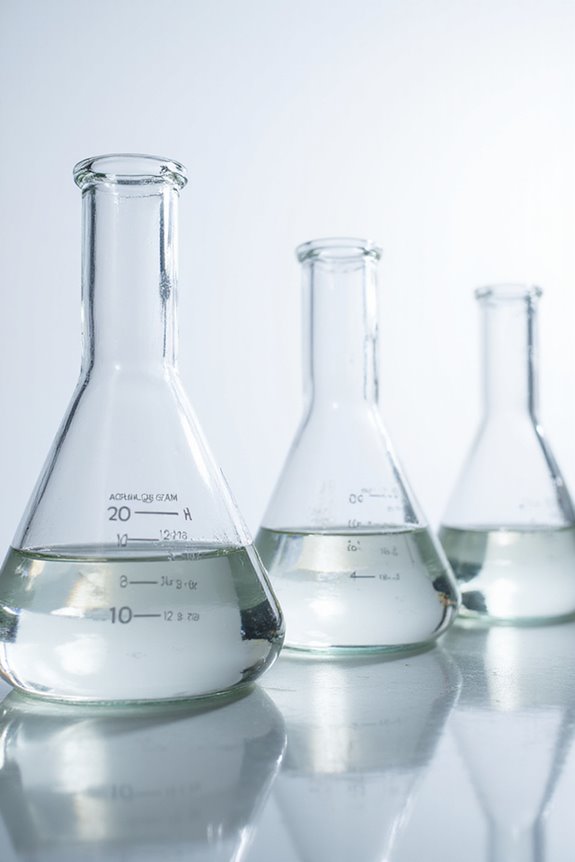
Selecting the right solvent for ink removal can greatly impact both efficiency and outcome, especially since each ink type interacts differently with solvents. We must consider solvent effectiveness and substrate compatibility for successful cleaning. For instance, aromatic hydrocarbons offer high performance but can harm sensitive materials like plastics.
Using water-soluble solvents can simplify removal and lessen health risks, yet many effective options aren’t water-based. We should also think about the cleaning method; solvents needed for immersion can require larger volumes, increasing costs and environmental impact. Industrial-strength formulas are often more efficient in tackling tough stains, including ink, making them a viable option for various fabrics.
Recommended Products

99.9+% Pure, Powerful Industrial Grade, High Strength

Delivers a consistent droplet size when atomizing which combined with the flat even pattern helps reduce common application issues

Industrial Strength Design Built to Last - Constructed from thick, high-density polyethylene, this 40 gallon dip tank is engineered for heavy use in professional screen printing shops. Withstands daily exposure to harsh chemicals, solvents, and reclaiming agents without cracking or leaking.
Common Solvents for Ink Stain Removal
There are several effective solvents we can use for ink stain removal, each suited for different types of ink and fabrics. For tough stains, isopropyl alcohol works wonders on non-water-soluble inks, while alternatives like hand sanitizer or vodka can work in a pinch. We can also mix white vinegar with baking soda or dish soap with warm water as gentler, non-toxic alternatives.
For tougher stains, commercial powdered agents like Vanish Oxi Action are useful, as they break down ink molecules effectively. Acetone is another option, particularly for permanent ink, but we must patch test first. Remember, using ink stain prevention techniques greatly reduces future cleaning challenges and provides easier ink cleaning methods! Additionally, utilizing non-toxic cleaning solutions can enhance safety while effectively tackling various stains.
Recommended Products

99.9+% Pure, Powerful Industrial Grade, High Strength
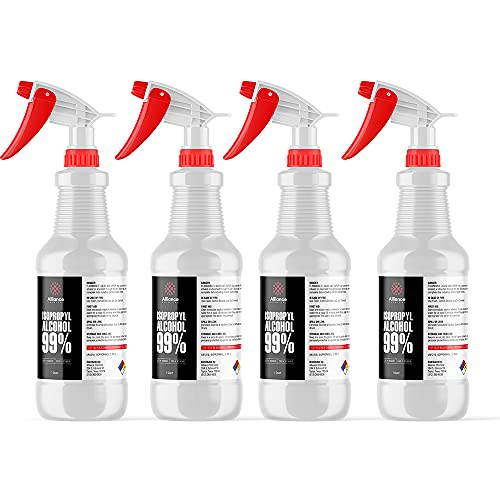
Technical grade 99% isopropyl alcohol in a spray format for cleaning, wipe-down, surface prep, and solvent use in shops, labs, and industry.

Acetone-free and safe on Polycarbonate Lenses
Pros and Cons of Popular Ink Stain Solvents
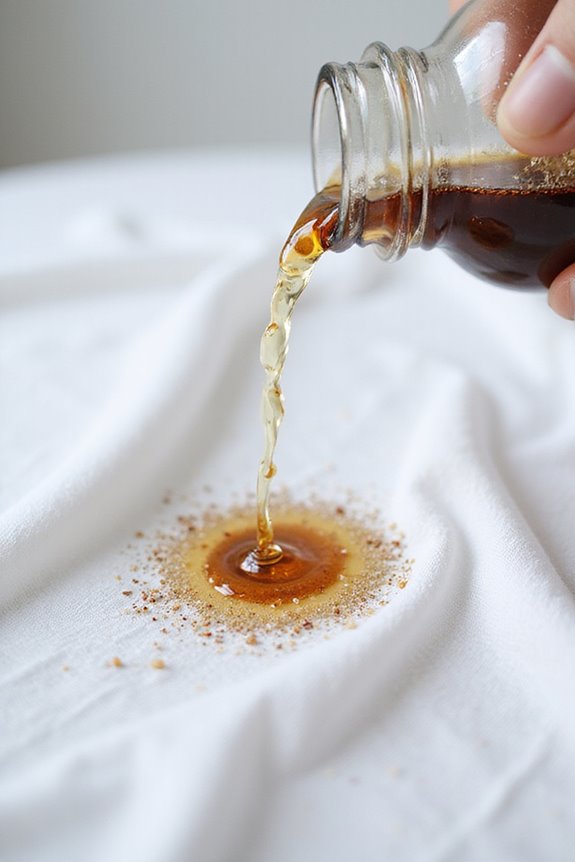
Understanding the pros and cons of popular ink stain solvents is essential for selecting the right option for your cleaning needs.
Alcohol-Based Solvents
- Pros: Fast-acting and effective on water-based inks, hand sanitizer outperforms other cleaners.
- Cons: Can cause fabric discoloration and requires ventilation due to flammability.
Acetone and Lacquer Thinner
- Pros: Excellent for tough ink residues and stubborn stains.
- Cons: Strong odors and potential material damage require protective gear.
Water-Based Solvents
- Pros: Environmentally friendly and safer for various substrates.
- Cons: Less effective on solvent-based inks and may need repeated applications. Additionally, using eco-friendly options can help minimize environmental impact while cleaning.
Recommended Products
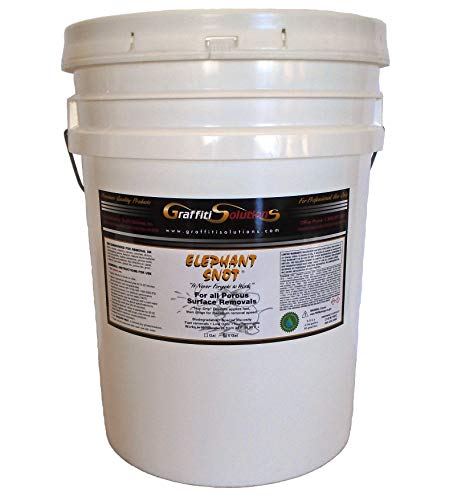
FEATURES & BENEFITS Biodegradable

Alliance Chemical High Purity MEK (Methyl Ethyl Ketone M.E.K) is refined for laboratory and industrial use, ensuring consistent chemical quality.

𝗛𝗜𝗚𝗛𝗟𝗬 𝗖𝗢𝗡𝗖𝗘𝗡𝗧𝗥𝗔𝗧𝗘𝗗 𝗙𝗢𝗥 𝗠𝗔𝗫𝗜𝗠𝗨𝗠 𝗩𝗔𝗟𝗨𝗘 - One 8 oz bottle of Citra Solv makes up to 11 gallons of all-purpose cleaner. Dilute in water for all your household cleaning, while leaving your home filled with the refreshing scent of oranges.
Industrial Applications of Solvents in Ink Cleaning
When we think about industrial applications of solvents in ink cleaning, it’s essential to recognize their important role in achieving effective results. We often use specific solvent formulation techniques that match different ink types to maximize ink cleaning efficiency. For example, fast-evaporating solvents like TMG are ideal for quick-drying inks, allowing us to maintain print quality with minimal residue.
Additionally, universal ink cleaners such as Neo Solv 114 strike a balance between performance and non-toxicity. With low VOC content, they comply with stringent environmental regulations while delivering thorough cleaning. This versatility guarantees we can address diverse ink residues in pad and screen printing environments, reflecting both our commitment to quality and sustainability in industrial operations. In terms of effective cleaning methods, utilizing advanced solvent technologies can significantly enhance the cleaning process and outcomes.
Recommended Products

Three year warranty on exceptionally reliable diaphragm pump

Alliance Chemical N-Amyl Acetate is a high-purity industrial solvent, provided in a 55-gallon drum for bulk chemical manufacturing and research.
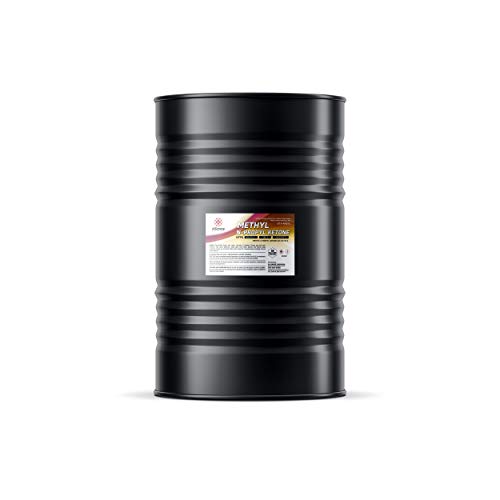
Safety Considerations When Using Solvents
Safety is a key consideration whenever we use solvents in our cleaning processes, especially in industrial settings. Here are some important points to keep in mind for chemical safety:
- Flammable Vapors: Solvents can easily catch fire, especially in enclosed spaces. We must guarantee good ventilation to reduce risks.
- Personal Protective Equipment (PPE): Using protective gloves, goggles, and masks is essential to guard against skin irritation and respiratory issues.
- Training and Monitoring: Regular training on proper handling and exposure monitoring can help keep us safe. Additionally, focusing on using biodegradable ingredients can also minimize environmental hazards associated with solvent use.
Eco-friendly and Sustainable Solvent Options
As we explore cleaning and maintenance solutions, eco-friendly solvent options stand out for their environmental benefits and effectiveness. Using biodegradable solvents, such as those derived from renewable plant-based sources, helps reduce air pollution by emitting lower levels of volatile organic compounds (VOCs). This shift not only promotes sustainable printing but also aims to limit hazardous waste, making disposal safer for our planet.
Here are some notable eco-friendly options:
- Citrus-based cleaners: Effective and biodegradable without harmful residues.
- Hydro-soy inks: Combine water and soy oil for enhanced biodegradability.
- Algae-based inks: Biorenewable and safe for soil after disposal.
Recommended Products

𝗛𝗜𝗚𝗛𝗟𝗬 𝗖𝗢𝗡𝗖𝗘𝗡𝗧𝗥𝗔𝗧𝗘𝗗 𝗙𝗢𝗥 𝗠𝗔𝗫𝗜𝗠𝗨𝗠 𝗩𝗔𝗟𝗨𝗘 - One 8 oz bottle of Citra Solv makes up to 11 gallons of all-purpose cleaner. Dilute in water for all your household cleaning, while leaving your home filled with the refreshing scent of oranges.
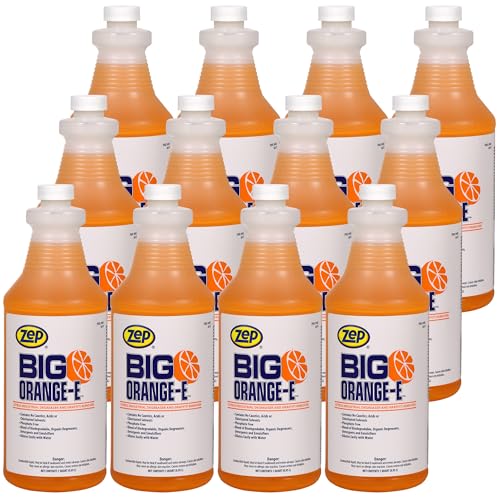
Can not be bought or sold in the state of California

Highly concentrated for excellent economy!
Frequently Asked Questions
Can Homemade Solutions Effectively Remove Ink Stains?
I used to doubt homemade remedies for ink stains, but their effectiveness comparison shows promise. With patience, I found solutions like milk or vinegar can work wonders, especially on fresh stains. Give them a try!
How Do Ink Stains Affect Fabric Durability?
Ink stains considerably impact fabric durability. Depending on the ink stain types, they penetrate fabric fibers deeply. If untreated, these stains can cause irreversible damage, weakening the fabric and reducing its lifespan substantially.
What Are the Best Practices for Handling Solvents?
When I think of solvent safety versus ink stains lurking, I realize it’s essential to handle chemicals carefully. Always prioritize ventilation and protective gear while ensuring effective stain prevention, so my fabrics stay safe and pristine.
How Do Temperature and Humidity Impact Ink Stain Removal?
When dealing with ink stains, I’ve noticed temperature effects really matter. Warmer water tends to lift stains better, while humidity levels can either help or hinder drying, impacting the stain removal process considerably.
Can I Mix Different Solvents for Better Results?
I often experiment with solvent compatibility, using mixing techniques to enhance cleaning power. Just remember, it’s essential to spot test before combining, as some mixtures can be ineffective or even harmful to surfaces or fabrics.


