


Understanding disinfectant contact time is essential for effective cleaning. Each disinfectant has specific contact times, like 1 minute for Clorox Germicidal Wipes and 10 minutes for household bleach. Proper adherence to these times guarantees harmful pathogens are eliminated, enhancing safety. Surfaces must stay wet throughout the contact duration. Monitoring factors such as surface type and environmental conditions also plays a role in effectiveness. Continue on to discover more about contact times for various surfaces and situations.
Key Takeaways
- Disinfectant contact times vary; commonly used products like Lysol and Clorox require between 30 seconds to 10 minutes for effective disinfection.
- Always check the product label for specific contact time instructions to ensure optimal pathogen eradication.
- Environmental factors like humidity and temperature can influence disinfectant effectiveness and may necessitate longer contact times.
- Proper surface preparation is essential; pre-cleaning surfaces can significantly enhance disinfectant efficacy and adherence to recommended contact times.
- Consistent monitoring and staff training are crucial for compliance with contact time requirements in healthcare settings to ensure patient safety.
Importance of Contact Time in Disinfection
You may be interested

Commercial Degreaser Strength Levels?

Industrial Steam Cleaner PSI Range?

Ink Stain Solvent Choices?
When we think about disinfection, one crucial aspect often overlooked is contact time. The contact time significance lies in how long a disinfectant must remain wet on a surface. Without sufficient contact duration, disinfection effectiveness plummets, leaving harmful pathogens behind.
Here are a few key points to reflect on:
- Efficacy: Products only perform as labeled if we follow the specified contact time, typically found on the label.
- Surface Wetness: It’s essential to keep surfaces visibly wet; drying early compromises disinfection.
- Safety Risks: Insufficient contact time can lead to incomplete killing of microorganisms, risking contamination. Additionally, many all-natural cleaning supplies contain biodegradable ingredients that may require longer contact times compared to traditional disinfectants.
Overview of Contact Time Values for Common Disinfectants
Understanding how long we need to keep disinfectants on surfaces is key to effective cleaning. Different disinfectants require specific contact times to achieve effective results. For instance, Lysol Disinfectant Spray and Sani-Cloth AF3 Germicidal Wipes both need 3 minutes for maximum disinfectant effectiveness. In contrast, Clorox Germicidal Wipes and Oxivir TB Wipes only require 1 minute.
Here’s a quick overview:
- Lysol All Purpose Cleaner with Bleach: 30 seconds
- Hydrogen peroxide-based disinfectants: About 1 minute
- Alcohol-based disinfectants: 1 to 3 minutes
As we apply these products, it’s crucial to keep surfaces visibly wet for the entire contact time. This guarantees the best results in killing germs effectively. Additionally, using EPA registered products ensures effectiveness against harmful pathogens like C. difficile.
Recommended Products

SHIPMENT CONTAINS: Two 85-count canisters of Lemon Scent & one 85-count canister of Fresh Scent for 255 disinfecting wipes in total, with canisters made of 20% post-consumer recycled plastic

LYSOL DISINFECTANT WIPES: Tested and proven to kill 99.9% of viruses and bacteria*, including COVID-19¹⁴ and 8 cold and flu viruses¹⁰. Disinfects, cleans, removes allergens and deodorizes on 100+ surfaces.
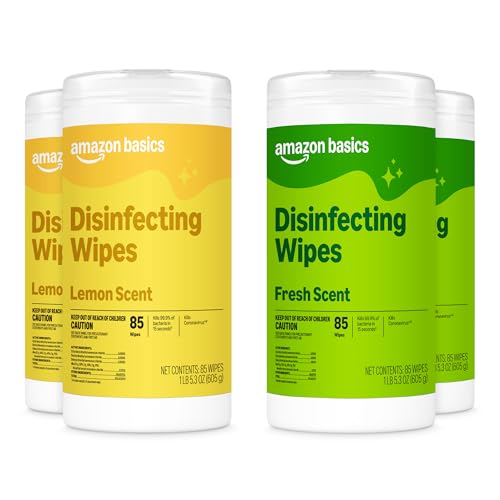
SHIPMENT CONTAINS: Two 85-count canisters of Lemon Scent & two 85-count canisters of Fresh Scent for 340 disinfecting wipes in total. Canisters contain 20% post-consumer recycled plastic
Factors Influencing Effective Contact Time
Effective contact time for disinfectants isn’t just about checking the clock; several factors play an important role that we need to reflect on. First, microbial resistance varies considerably. For instance, bacterial spores and resilient viruses may require longer contact times than standard bacteria. Additionally, surface texture impacts how disinfectants work. Non-porous surfaces allow for even coverage, enhancing effectiveness, while porous surfaces absorb the disinfectant, necessitating longer exposure to achieve thorough disinfection.
Here are key factors to take into account:
- Microbial Resistance: Tough pathogens require extended contact.
- Surface Texture: Smooth surfaces offer better retention and action.
Furthermore, the importance of hygiene maintenance in healthcare settings underscores the need for adequate contact time to ensure effective disinfection. Understanding these factors helps us guarantee we’re providing ideal disinfection in any setting. Adhering to these principles can reduce infection risks considerably.
Recommended Products
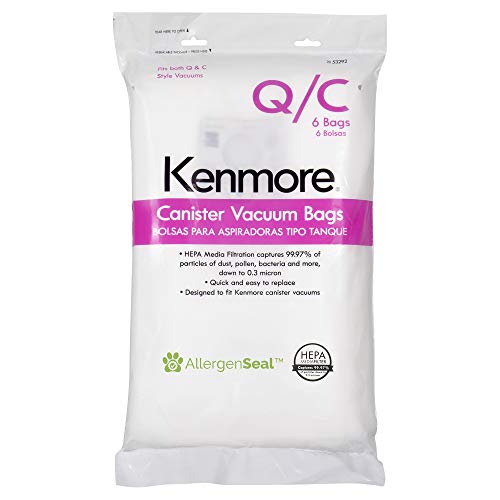
Fits Kenmore canister vacuum cleaners that use type Q replacement bags

New and Improved: HyClean Air GN vacuum bags are slimmer in size with a more environmentally conscious design, offering a 10x better dust retention rate than Miele's original AirClean FJM bags

Genuine Kirby HEPA Filtration – Designed with Micron Magic Plus technology, these high-performance vacuum bags help capture dust, dirt, and debris for a cleaner home.
Compliance and Monitoring of Contact Time in Healthcare Settings

In our pursuit of effective healthcare disinfection, it’s vital to recognize how compliance with disinfectant contact time directly impacts patient safety. When we fail to adhere to these timelines, infection risks increase markedly.
Compliance challenges often arise from variability in contact times among different disinfectants. To tackle this, we can employ effective monitoring strategies.
Here are key strategies to enhance compliance:
- Create standardized checklists
- Implement direct observation audits
- Utilize electronic monitoring systems
These approaches help guarantee that surfaces remain wet for the required contact time. Additionally, training staff on the importance of proper techniques is critical. By prioritizing compliance, we can enhance safety for both patients and staff in healthcare settings, reducing healthcare-associated infections markedly. Regular use of eco-friendly options in disinfection can further promote a healthier environment while ensuring effective cleaning.
Recommended Products

Fits Modes: Fits all Oreck XL vacuum cleaners, XL7, XL21, 2000, 3000, 4000, 8000 and 9000 series vacuum cleaner. Replaces Part # CCPK8DW. Ensuring a perfect match with your Oreck vacuum cleaner.

𝗪𝗶𝗱𝗲 𝗖𝗼𝗺𝗽𝗮𝘁𝗶𝗯𝗶𝗹𝗶𝘁𝘆: Perfect fits Bissell Power Force (1398, 1739, 3522, 3525, 3530, 3537, 46E5, 71Y7); PowerGlide (3545); Plus (3350, 3550, 3553); Lift-Off (3554); Powertrak (6592); Powerlifter pet (2019) Series upright vacuum cleaners. Replaces Part#32120

Compatibility: Our Type O replacement bags are designed to fit for Kenmore Upright Vacuum Cleaners that use Type O bags; They are compatible with Part No. 53294
Calculating and Converting Contact Time

Calculating disinfectant contact time is essential for ensuring effective sanitation in water systems. We perform contact time calculations by considering the flow from the disinfectant application point to the first customer. Each segment’s time must be adjusted for conditions, especially during peak flow.
To achieve accurate contact time adjustments, we account for the baffling factor, which reflects actual flow patterns. Effective contact time equals detention time multiplied by this factor, ensuring we don’t overestimate disinfection capabilities.
Here’s a quick breakdown:
- Calculate working volume by multiplying total volume by the baffling factor.
- Evaluate the effective contact time based on peak flow scenarios. Additionally, understanding cleaning efficiency and versatility aids in determining the right disinfectants for various applications.
Recommended Contact Times for Various Surfaces
When we think about disinfecting various surfaces, understanding the recommended contact times is vital for achieving effective sanitation. For instance, MRSA and VRE need a 2-minute contact time on pre-cleaned surfaces, while tuberculosis requires up to 5 minutes.
Here are some important guidelines:
- Household Bleach: 10 minutes on nonporous surfaces, 30 minutes for immersion.
- Commercial Disinfectants: Many require just 1-3 minutes to be effective.
Before we apply any disinfectant, proper surface preparation is fundamental. We must clean surfaces to remove dirt or organic material first. Additionally, selecting the right disinfectant and following the product label instructions guarantees we achieve the desired sanitation results every time! Furthermore, using high-quality materials ensures effective cleaning performance across various environments.
Recommended Products

【1-1/4 Inch Compatibility, Instant Upgrade】 Engineered to fit vacuum cleaners with a 1-1/4-inch (32mm) inner diameter hose or port. Simply click it in and instantly extend your reach to tricky spots your main floor head can't get to.

❤Package: This dust cleaning attachment kit includes 10 vacuum attachments and 6 hose adapters: 1 x Crevice Tool, 1 x Horsehair Dust Brush, 1 x Upholstery Brush, 1 x Pet Hair Removal Brush, 1 x small crevice combine tool, 1*Flexible Crevice Tool & 4*vacuum extension tubes 32mm. It includes multiple adapters (1.25” & 1.375”) to fit most standard household and shop vacuums, ensuring broad compatibility.
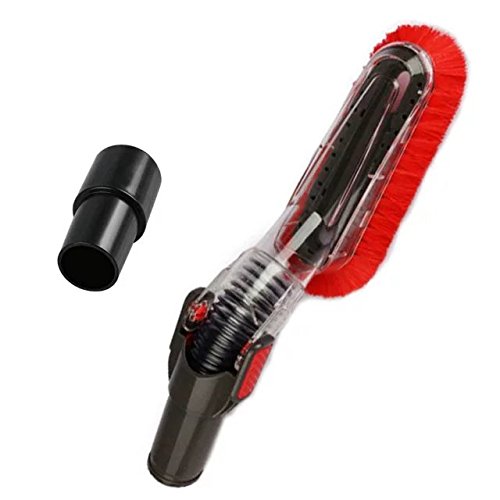
The brush is flexible and soft, perfect for cleaning furniture, high Surface, and ceiling, and orther places that is hard to reach.
Short Contact Times for Quick Disinfection
Short contact times can dramatically improve our disinfection efficiency, making it easier to maintain hygienic surfaces. For instance, 70-90% ethyl or isopropyl alcohol disinfects in just 3-5 minutes, providing effective rapid disinfection for many surfaces. Similarly, a 2% hydrogen peroxide solution works in approximately 5-8 minutes, delivering non-toxic disinfection while remaining eco-friendly.
Recommended Products

Replacement filter for Shark NV500, NV501, NV502, NV503, NV505, NV510, NV520, NV552, UV560, NV642, ZU780, ZU782, ZU785,Compare to Part # XFF500

FIT MODELS – The AZ3002 vacuum filters are compatible with Shark Stratos DuoClean PowerFins Upright Vacuum Cleaner AZ3002 AZ3000 AZ3000W. Filter made of FSC-Certified paper.
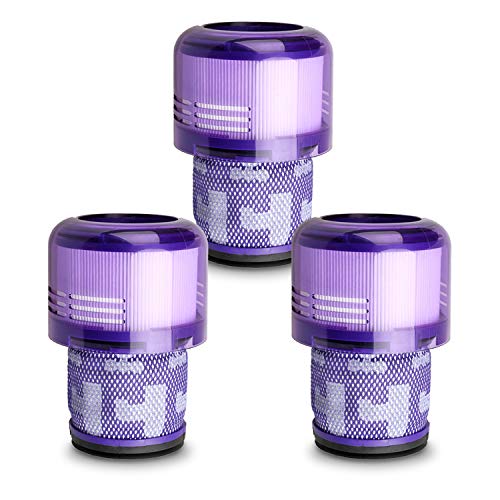
FIT MODELS – V11 V15 Filter Replacement for Dyson V11 Origin Cordless Vacuum (B00FZPRUTY, B0C2J7R8PY) V11 Animal V11 Torque Drive+ V11 Complete V11 Extra V11 Absolute V15 Detect (B0CFRH6NF2, B0CT97D9R2, B0C2J8KJH9) V15s Detect Submarine Vacuums. Compatible with Dyson filter replacement model numbers: Graded SV14, SV15, SV17, SV22, SV28, SV47. Please verify your vacuum model before purchasing to ensure a perfect fit.
Advantages of Short Contact Times:
- Fast Turnaround: We can quickly reuse equipment, minimizing downtime in healthcare settings.
- Environmental Benefits: Many options, like hydrogen peroxide, break down into non-toxic byproducts.
However, we must adhere strictly to the manufacturer’s instructions for maximum disinfectant effectiveness. This guarantees we achieve the necessary contact times and maintain safety, especially in high-demand situations.
Impact of Environmental Conditions on Contact Time
Understanding the impact of environmental conditions on disinfectant contact time is crucial for effective cleaning. Temperature effects play an essential role; higher heat can lead to quicker evaporation, reducing the time disinfectants remain effective. Alternatively, low temperatures might slow evaporation, but they can also hinder disinfectant activity.
Humidity influence is also significant. Low humidity speeds up drying, while high humidity can maintain surface wetness longer. We need to pay attention to surface characteristics too. Porous surfaces absorb disinfectants, decreasing contact time.
Additionally, formulation volatility can change how disinfectants react in various conditions; for example, alcohol-based disinfectants dry quickly. Environmental degradation from UV light or air can diminish the effectiveness of active ingredients, requiring reapplications and careful monitoring to guarantee we meet the specified contact times.
Frequently Asked Questions
How Can I Ensure Disinfectants Remain Wet for Required Contact Times?
To guarantee disinfectants stay wet for required contact times, I focus on effective disinfectant application and proper surface preparation. I always saturate surfaces, avoid wiping off too soon, and choose appropriate products to enhance effectiveness.
What Are the Consequences of Inadequate Contact Time During Disinfection?
Imagine a world where disinfection effectiveness falters; inadequate contact time lets pathogens linger, fostering resistance. It’s vital we uphold rigorous protocols to protect against infections and guarantee our environments remain safe for everyone.
Are There Any Eco-Friendly Disinfectants With Effective Contact Times?
I’ve found that eco-friendly options like Accelerated Hydrogen Peroxide and Clorox Hydrogen Peroxide provide effective contact times. Many also boast green certifications, ensuring they’re safer for both our health and the environment.
Can Contact Time Vary by Disinfectant Application Method?
Yes, contact time does vary by application techniques. I’ve noticed that liquid disinfectants often require strict adherence to contact times, whereas wipes can be more forgiving, depending on their formulation and real-world usage.
How Do I Determine the Right Disinfectant for Specific Pathogens?
How do I choose the right disinfectant for specific pathogens? I focus on pathogen resistance and guarantee the disinfectant’s effectiveness matches the targeted microbe, following product labels for concentration and required contact time to optimize results.

