


When comparing HEPA and ULPA filters, we see distinct differences. Efficiency: HEPA captures 99.97% of particles ≥ 0.3 microns, while ULPA captures 99.999% of even smaller particles at 0.12 microns. Construction: ULPA filters have denser fibers, leading to better filtration but reduced airflow. This means they work best in ultra-clean environments like aerospace. Costs: HEPA filters last longer and are cheaper, while ULPA systems require more maintenance. Let’s explore more on how they fit your needs!
Key Takeaways
- HEPA filters capture 99.97% of particles ≥ 0.3 microns, while ULPA filters achieve up to 99.9995% efficiency for particles as small as 0.12 microns.
- ULPA filters have a denser fiber arrangement and smaller pore sizes compared to HEPA filters, enhancing their filtration efficiency.
- HEPA filters accommodate higher airflow velocities, whereas ULPA filters generally operate at lower velocities due to increased resistance.
- HEPA filters are suitable for ISO Class 5 to Class 8 cleanrooms, while ULPA filters are reserved for stricter ISO Class 3 and 4 environments.
- HEPA filters are more budget-friendly with longer lifespans, while ULPA filters, being more expensive and requiring higher maintenance, last 5 to 8 years.
Filtration Efficiency Comparison
You may be interested


When we compare filtration efficiency between HEPA and ULPA filters, it’s clear that ULPA filters offer superior performance for specific applications. HEPA filters capture 99.97% of particles that are 0.3 microns or larger, making them effective in many environments. However, ULPA filters excel with a stunning 99.999% to 99.9995% efficiency for particles as small as 0.12 microns.
This difference in filtration metrics is essential for ultra-clean environments like aerospace and semiconductor manufacturing. To visualize the impact:
- HEPA: Allows around 30 particles per 100,000 at 0.3 microns.
- ULPA: Restricts this to only 1 particle per 100,000 at 0.12 microns.
Clearly, ULPA filters greatly reduce airborne contaminants, ensuring cleaner air for sensitive operations. Many best allergen-removing vacuum models also utilize HEPA filtration to capture dust and allergens effectively.
Recommended Products

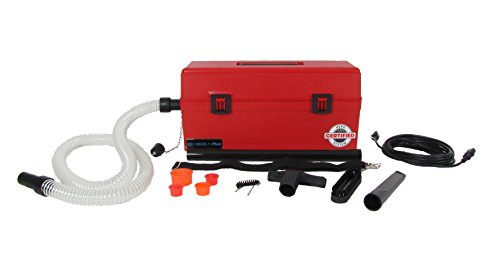
OMEGA HEPA INDIVIDUALLY HEPA TESTED AND CERTIFIED. This Vacuum is individually certified for the OF612HE-IC filter and includes the serialized filter, test certificate, and efficiency
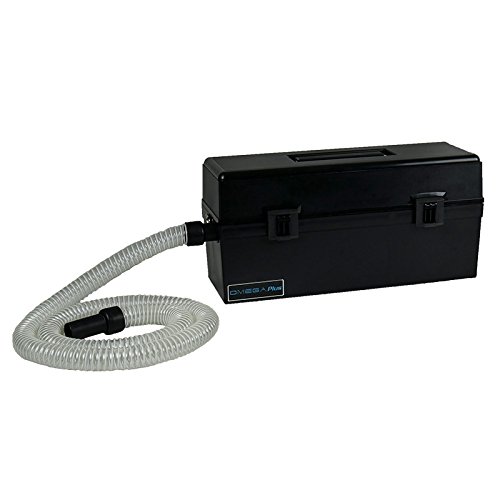
HAZARDOUS PARTICULATE CLEANING - There are many applications and industries that make this vacuum the ideal tool for a hazardous particulate cleaning. Perfect for glovebag, lead, and hazardous particulate.
Construction and Fiber Density Differences

In exploring the differences between HEPA and ULPA filters, we find that construction and fiber density play essential roles in their performance. Both filter types utilize similar fiber compositions, often combining glass and synthetic polymers, and they’re crafted to guarantee structural integrity.
However, ULPA filters boast a denser arrangement of fibers than HEPA filters, which enhances their filtration efficiency. Their smaller fiber diameter and finer pore size allow them to capture smaller particles more effectively.
Key points include:
- Higher Pleating Density: ULPA filters capture more particles.
- Layering: Both types use a maze-like fibrous structure.
These factors make ULPA filters ideally suited for environments that demand ultra-clean air, such as ISO Class 3 cleanrooms. Additionally, HEPA filters capture 99.97% of dust and allergens, making them highly effective for residential use.
Airflow Characteristics and Room Air Changes

Understanding the difference in airflow characteristics between HEPA and ULPA filters is fundamental for enhancing cleanroom environments. HEPA filters allow higher airflow velocities, typically up to 0.5 m/s, promoting efficient room ventilation. This results in higher Air Changes per Hour (ACH), contributing to better air quality.
Conversely, ULPA filters operate at lower velocities, generally below 0.45 m/s, which can reduce ACH by 20-50%. Increased resistance in ULPA filters may increase energy consumption for maintaining airflow dynamics, potentially complicating cleanroom design. Additionally, maintaining strong suction power is vital for ensuring optimal filtration without compromising airflow efficiency.
To balance filtration efficiency and airflow, careful design is essential. We should consider integrating pre-filters or upgrading HVAC systems, ensuring ideal air distribution and minimal dead zones. Ultimately, effective airflow management is critical for maintaining cleanliness in cleanroom environments.
Recommended Products

FIND YOUR MODEL: This HEPA and Activated Carbon Filter is designed for use in the AlorAir HEPA 550 Air Scrubber. Size:17.1" x 15.2" x 2" . Package: pack of 3 HEPA/Activated Carbon Filter

2 Set (4 Filters),H13 3-Stage Filtration Activated carbon 2-in-1 True HEPA Filters

【Compatible Model】The A2001 replacement filter is only compatible with A2001 air cleaner purifier,compare to part # AF-2001.Remember to check your machine's brand and model number before placing an order
Suitable Applications and Cleanroom Standards

Choosing the right filter for cleanroom applications is essential for guaranteeing ideal air quality and compliance with industry standards. In our work, we often distinguish between application scenarios for HEPA and ULPA filters based on cleanroom classifications.
- HEPA Filters: Effective in ISO Class 5 to Class 8 cleanrooms, these filters capture 99.97% of particles at 0.3 microns. They’re common in industries like pharmaceuticals and food production, balancing cost and cleanliness.
- ULPA Filters: Reserved for ISO Class 3 and 4, ULPA filters achieve 99.999% efficiency at 0.12 microns. We utilize them in sensitive sectors, such as aerospace or advanced manufacturing, where even a single submicron particle can impact quality. The importance of infection control in cleanroom environments underscores the necessity of utilizing appropriate filtration systems.
This alignment of filters with cleanroom classifications guarantees peak performance and compliance.
Cost Considerations and Lifespan

Cost considerations and lifespan play an essential role in deciding between HEPA and ULPA filters. When we conduct a cost analysis, HEPA filters emerge as the more budget-friendly option, with initial costs being moderate. In contrast, ULPA filters typically cost about 35% more due to their complex manufacturing and denser materials.
Regarding filter longevity, HEPA filters last 10 to 15 years, while ULPA filters only last 5 to 8 years. Frequent replacements for ULPA filters also lead to higher long-term expenses. Additionally, ULPA systems require more energy due to additional equipment needs, which increases operational costs. So, considering both cost and lifespan, HEPA filters generally provide better value for many applications. Furthermore, the use of high-efficiency filtration systems can significantly reduce allergens in indoor environments, making HEPA filters a practical choice for improving air quality.
Recommended Products

High Quality Powr-Flite Equipment and Supplies

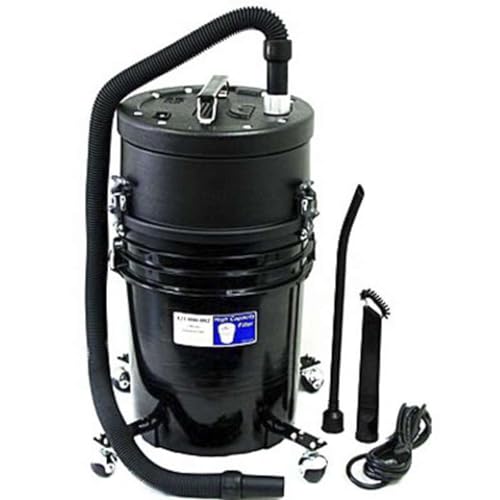
5-GALLON HEPA FILTER - The Atrix immediate containment HEPA filters have been indepently tested to to meet the the qualifications to capture 99.97% efficiency at 0.3 microns
Maintenance Requirements
When we consider maintenance requirements for HEPA and ULPA filters, it’s crucial to recognize the distinct needs of each type. ULPA filters necessitate more stringent inspection protocols, requiring specialized tools to assess their microscopic pore integrity. This meticulous attention can help avoid serious maintenance challenges like airflow reduction.
In contrast, HEPA filters follow a less demanding inspection schedule, focusing on visual checks, pressure drop monitoring, and periodic particle testing. They can also be cleaned in-house, under controlled conditions, making maintenance more user-friendly. Proper maintenance is essential for maximizing cleaning efficiency and ensuring optimal performance.
Both filter types require wearing gloves and avoiding direct contact with the filter medium. Ultimately, understanding these maintenance requirements guarantees each filter operates efficiently, prolonging its lifespan and effectiveness in air purification.
Filtration Mechanisms and Technologies
Understanding the filtration mechanisms behind HEPA and ULPA filters helps us appreciate how they maintain air quality in various environments. Both filtration technologies rely on particle dynamics, employing mechanisms like diffusion, interception, and inertial impaction to capture particles effectively.
- HEPA filters capture at least 99.97% of particles at 0.3 microns using a less dense arrangement of fibers, allowing higher airflow.
- ULPA filters, on the other hand, target 99.999% of particles at 0.12 microns with a denser fiber configuration, increasing capture rates for smaller particles.
This dense mesh promotes enhanced performance for ultra-clean environments, despite requiring more power due to higher airflow resistance. Ultimately, these mechanisms detail why choosing the right filter matters for air quality.
Industries Benefiting From HEPA and ULPA
On the other hand, while ULPA filters capture 99.9995% of particles at 0.12 microns, their limitations can be a concern. ULPA’s higher resistance decreases airflow considerably, meaning they may require a more powerful HVAC system. Consequently, HEPA often becomes the economical and efficient choice for facilities prioritizing both performance and cost, especially where fewer air changes per hour are acceptable.
Future Trends in Air Filtration Technologies
As we explore future trends in air filtration technologies, it’s fascinating to see how advancements are reshaping our industry. Smart filtration systems are leading the way, utilizing IoT to monitor air quality and predict maintenance needs in real-time. This proactive approach not only saves costs but also enhances our indoor environments.
Additionally, sustainable materials are becoming a priority. Biodegradable and recyclable filters reduce landfill waste, aligning with our global responsibility toward a cleaner planet. Enhanced filtration technologies, such as nanofibers and self-cleaning designs, improve efficiency while lowering energy consumption.
Frequently Asked Questions
Can HEPA Filters Be Upgraded to ULPA Filters?
I’ve considered HEPA upgrade options and found that while I can pursue ULPA filters for higher efficiency, I must address compatibility issues with existing systems. It’s essential to evaluate the overall impact before upgrading.
How Do HEPA and ULPA Filters Impact Overall Indoor Air Quality?
When considering indoor air quality, I’ve noticed that filter efficiency truly matters. HEPA filters excel at capturing common allergens, while ULPA filters enhance particle capture of ultrafines, offering tailored solutions based on specific air quality needs.
Are There Any Health Risks Associated With Using ULPA Filters?
I’ve found that ULPA filter safety is essential. While they greatly improve air quality, improper maintenance can pose health implications, like exposure to contaminants. Regular checks help guarantee they function effectively and protect our well-being.
Can ULPA Filters Be Used in Residential Settings?
While ULPA filters capture over 99.999% of particles, their filter efficiency isn’t necessary for residential applications. Most homes benefit more from HEPA filters, which effectively handle allergens without the hassles ULPA brings.
Do HEPA and ULPA Filters Emit Ozone?
I understand your concern about ozone emissions. Both HEPA and ULPA filter technology don’t emit ozone, as they rely on mechanical processes to capture particles, ensuring cleaner air without the risks associated with ozone generation.


