
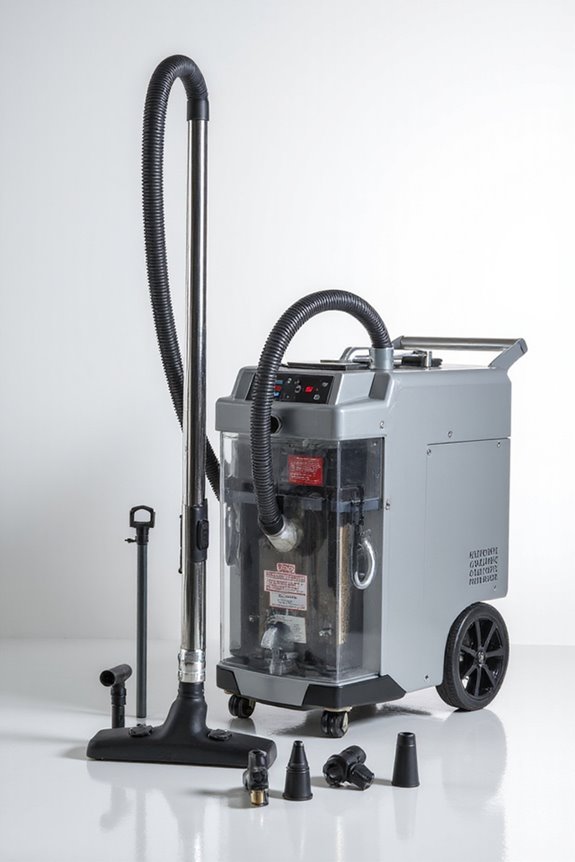

OSHA compliance for silica dust is critical for protecting our health. We must keep respirable crystalline silica exposure below the permissible limit of 50 µg/m³ over an 8-hour workday. This means creating a written exposure control plan, designating a competent person on-site, and using effective engineering controls like vacuum systems. Also, proper respirators must be provided and training on silica hazards is essential. Let’s explore these requirements in detail to guarantee workplace safety.
Key Takeaways
- Ensure exposure levels are below OSHA’s Permissible Exposure Limit (PEL) of 50 µg/m³ over an 8-hour workday to protect worker health.
- Develop a Written Exposure Control Plan outlining tasks, engineering controls, and housekeeping practices to minimize silica dust exposure.
- Designate a Competent Person to conduct job site inspections, identify hazards, and ensure compliance with OSHA standards.
- Implement effective engineering controls, such as local exhaust systems and wet methods, to reduce airborne silica levels during work operations.
- Provide appropriate respiratory protection and training for workers on silica risks and proper respirator use to enhance workplace safety.
Understanding OSHA Exposure Limits
You may be interested


When it comes to understanding OSHA exposure limits for silica dust, there’s a lot of important information to grasp. OSHA sets the Permissible Exposure Limit (PEL) at 50 micrograms per cubic meter (µg/m³) over an 8-hour workday. It applies to construction, general industry, and maritime sectors, ensuring we’re protected from harmful exposure risks. Exceeding this limit can lead to serious health effects like silicosis, tuberculosis, or even lung cancer, so monitoring is vital. The action level, at 25 µg/m³, calls for mandatory assessments if reached. Regular air sampling is essential to maintain compliance, ensuring workers’ safety and wellbeing isn’t compromised. Understanding these limits helps employers put necessary protective measures in place, safeguarding our health on the job. Additionally, implementing environmental impact considerations can further reduce workplace hazards and promote a safer environment.
Written Exposure Control Plan Requirements

To effectively manage silica dust exposure in the workplace, we need a thorough Written Exposure Control Plan. This plan must identify tasks that expose employees to respirable crystalline silica and specify the necessary engineering controls, work practices, and respiratory protection for each task.
We should also outline effective housekeeping practices to limit silica dust exposure, such as avoiding dry sweeping and using wet methods for cleanup.
Furthermore, the plan needs to detail procedures for access restriction in high-exposure areas and may include information about exposure assessments. Finally, it must be accessible to all employees and updated regularly to guarantee compliance and effectiveness in protecting workers’ health. Additionally, implementing robust infection control measures can further safeguard workers from associated health risks in high-exposure environments.
Recommended Products

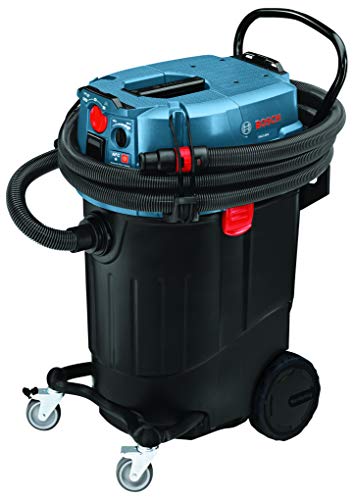
AUTO-CLEANING: With automatic filter cleaning, the Bosch VAC140AH dust extractor cleans the filter every 15 seconds to help maintain maximum suction power.

Purpose-built for dry hazardous particulate cleaning
Competent Person Designation and Responsibilities

In order to effectively manage silica dust hazards, we need to designate a Competent Person on every job site. This individual is authorized to identify existing and predictable silica hazards, taking immediate actions to control them. By implementing OSHA’s exposure control plan, they act as a crucial communication link between employers and workers.
A Competent Person is responsible for:
- Training workers on silica hazards and control methods.
- Conducting regular inspections of the job site.
- Documenting any exposures and corrective actions.
With a solid understanding of the health risks and OSHA standards related to silica, this person guarantees compliance and maintains safety on-site. Additionally, they should also be knowledgeable about cleaning product efficacy to ensure that the workspace remains safe from all potential hazards. By designating a Competent Person, we greatly reduce risks associated with silica hazards to protect everyone involved.
Recommended Products
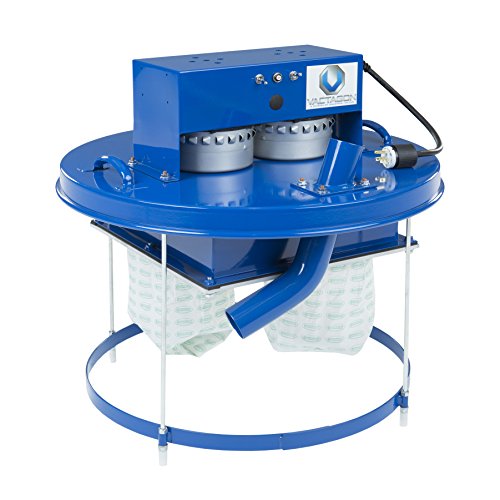
TURN A 55 GALLON DRUM INTO THE BEST VACUUM YOU’ll EVER OWN

The Milwaukee 8-gallon dust extractor provides users with an osha-compliant solution for the regulation on reparable crystalline silica dust

AUTOCLEAN: Enhanced automatic main filter cleaning ensures consistently high suction power. You can set cleaning intervals (15, 30, 60, or 120 seconds) via the app, providing thorough cleaning for heavily clogged filters.
Effective Engineering Controls and Work Practices

Effective Engineering Controls and Work Practices play a pivotal role in managing silica dust hazards while ensuring worker safety. We should focus on engineering design solutions, like effective local exhaust systems and vacuum tool systems, which capture dust at the source. These methods enhance dust suppression, greatly reducing airborne silica.
Additionally, using wet-cutting methods and specialized tools minimizes dust generation.
To reinforce safe practices, we can:
- Limit exposure time by scheduling breaks,
- Employ proper material handling techniques,
- Use wet sweeping instead of traditional methods for housekeeping. Each of these practices aligns with effective cleaning equipment that improves overall safety and cleanliness on the job site.
Recommended Products

Cyclonic action separates the heavy dust particles from the fine particles and drops them into the 55-gallon steel drum
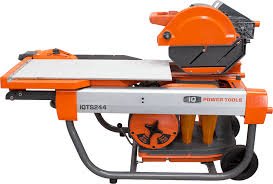
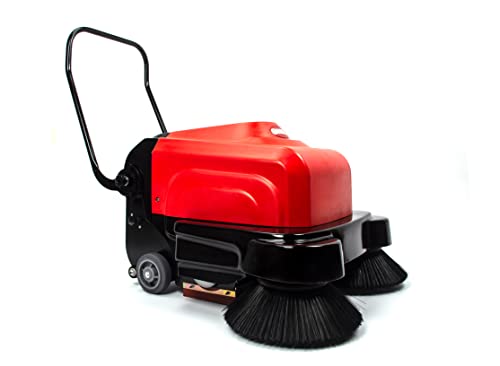
Wide Cleaning Path for Maximum Coverage – 41-inch sweeping width tackles large floor areas quickly, reducing cleaning time in warehouses, gyms, schools, and retail spaces.
Importance of Respiratory Protection
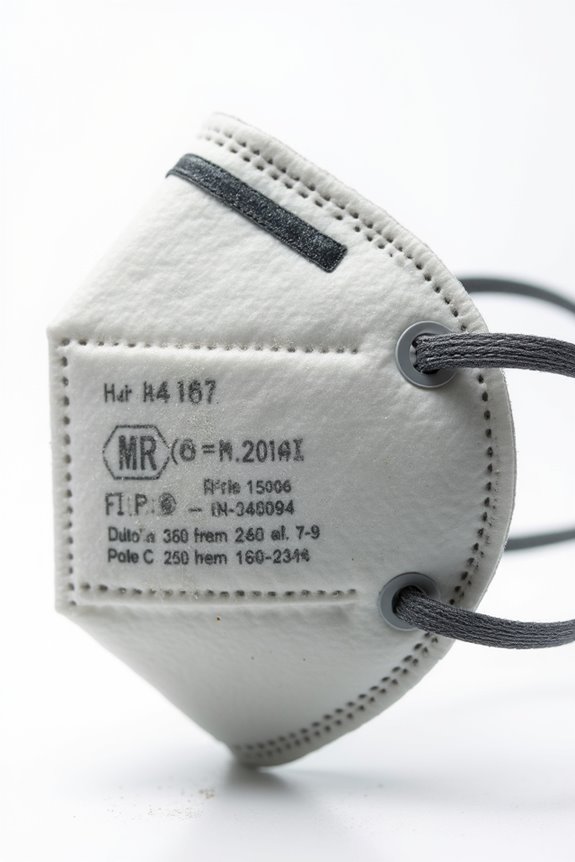
Understanding the importance of respiratory protection is essential when working around silica dust, especially since exposure can lead to serious health issues. By selecting the right respirator, we can safeguard our lungs against harmful silica particles. OSHA requires NIOSH-certified respirators, like the N95, for various exposure levels.
Health Risks of Silica Dust:
- Silicosis, lung cancer, and increased tuberculosis risk are significant concerns.
- Symptoms might take years to appear, making prevention critical.
Employers must provide respirators at no cost, ensuring they’re fit-tested and properly maintained. Workers should be trained on respirator use and its limitations. Remember, respirator selection plays a key role in our health when engineering controls can’t eliminate risks entirely. Additionally, using equipment with HEPA filtration can further enhance air quality in work environments. Let’s prioritize our safety!
Recommended Products
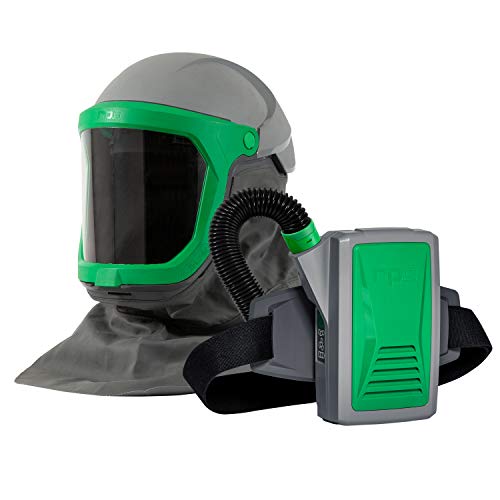
MADE IN USA - Made in our factory in Royal Oak Michigan using domestically sourced componentry.

𝐃𝐞𝐬𝐢𝐠𝐧𝐞𝐝 𝐟𝐨𝐫 𝐂𝐨𝐦𝐟𝐨𝐫𝐭, 𝐏𝐫𝐨𝐭𝐞𝐜𝐭𝐢𝐨𝐧, 𝐚𝐧𝐝 𝐋𝐨𝐧𝐠-𝐋𝐚𝐬𝐭𝐢𝐧𝐠 𝐔𝐬𝐞: Our adjustable disposable N95 Mask offer a reliable and convenient way to safeguard against particles, ensuring both safety and ease of wear throughout the day.

The 3M 60923 Organic Vapor/Acid Gas Cartridge/Filter is a P100 approved filter that provides protection against certain organic vapors, acid gases, and particulates.
Medical Surveillance for Workers
When working in environments with silica dust, staying proactive about our health is essential, especially regarding medical surveillance. This process includes an initial baseline medical evaluation that assesses our medical and work history, along with chest X-rays and pulmonary function tests. These check-ups help catch early signs of silica-related diseases, ensuring we’re fit to wear respirators.
For those of us continually exposed, follow-up procedures are important, requiring exams every three years. If we have abnormal findings, we’ll be referred to a pulmonary specialist within 30 days. It’s our right to know about these medical evaluations and the results we receive; they play a critical role in keeping our lungs healthy and safe on the job. Additionally, using the appropriate PPE, such as goggles and masks, is crucial to protect ourselves from harmful silica dust exposure.
Training and Communication Strategies
To guarantee we’re all on the same page about silica dust safety, training and communication are essential components of our health and well-being. We use engaging training methods, like online courses or hands-on demonstrations, to make certain everyone understands silica hazards and controls. This keeps us compliant with OSHA standards.
Communication tools play a crucial role, including clear signage and a written exposure control plan. Here’s what we focus on:
- Training must cover: health risks, specific tasks, and engineering controls.
- Ongoing dialogue: encourages questions about personal protective equipment and safety practices.
- Multilingual resources make certain everyone fully understands the risks involved.
Recommended Products

𝗖𝗢𝗠𝗣𝗟𝗘𝗧𝗘 𝗢𝗡𝗘-𝗪𝗢𝗥𝗞𝗘𝗥 𝗦𝗬𝗦𝗧𝗘𝗠 – Includes 1 full mask respirator, a ¼ HP oil-less rotary vane breathing air pump, and one 50’ (15.24 m) braided vinyl air hose for reliable low-pressure supplied air

PROTECTION AGAINST dust, mist, fumes, radionuclides and radon daughter – ideal for lead, asbestos, mold and other hazardous particulates

WARNING! These respirators help reduce exposure to certain airborne contaminants. Misuse may result in sickness or death. Before use, the wearer must read and understand User Instructions provided as a part of product packaging. Time use limitations may apply. Call 3M OH&ESD Technical Service at 1-800-243-4630. In Canada, call 1-519-452-6137 or 1-800-265-1840, ext 6137. . This product contains natural rubber latex which may cause an allergic reaction.
Recordkeeping Obligations
Maintaining accurate records for silica exposure is an essential part of our compliance with OSHA standards. Proper recordkeeping practices help us track and manage silica exposure effectively while guaranteeing worker safety. We need to document dates of exposure samples, the specific tasks monitored, and analytical methods used.
Here are key components to focus on:
- Names and job classifications of monitored employees.
- Equipment used, like PPE during monitoring.
- Records of objective data and testing protocols.
Moreover, we must retain medical surveillance records for workers exposed above action levels for 30 years. By prioritizing documentation accuracy, we can facilitate regulatory compliance, enhance transparency, and guarantee our team’s health is always a top priority.
Ensuring Compliance in the Workplace
Ensuring compliance with silica dust regulations is vital not just for meeting OSHA standards, but for protecting our workforce’s health. We need to keep silica exposure below the permissible limit of 50 micrograms per cubic meter of air averaged over eight hours. Utilization of engineering controls, like water delivery systems and HEPA vacuums, markedly enhances workplace safety.
Additionally, a written exposure control plan is essential. This plan should outline tasks that involve silica and the methods we’ll use to minimize exposure. Training workers about risks and protective measures is equally important. By designating a competent person to oversee compliance, we create a solid structure for managing silica hazards effectively. Let’s prioritize our team’s safety together!
Frequently Asked Questions
What Specific Materials Contain Respirable Crystalline Silica?
I’ve noticed various silica sources in construction, like sand, concrete, and brick, all posing exposure risks when disturbed. Even products like drywall and certain paints can release respirable crystalline silica dust, which is concerning.
How Can I Identify Tasks That Expose Workers to Silica?
To identify tasks exposing workers to silica, I focus on task analysis and conduct exposure monitoring. By evaluating procedures, equipment, and materials, I highlight high-risk activities—ensuring safer workplaces and actionable data for prevention strategies.
What Are the Symptoms of Silica-Related Diseases?
I’ve seen persistent cough, shortness of breath, and fatigue arise from silica exposure. These symptoms can seriously impact respiratory health, often worsening over time. It’s essential to recognize them early to prevent further damage.
How Often Should Exposure Assessments Be Conducted?
Did you know that over 2.3 million workers face silica exposure risks? I’d recommend conducting exposure assessments frequently, especially if conditions change. Using reliable assessment methods guarantees we’re protecting our health effectively and consistently.
Are There Alternatives to Using Silica in the Workplace?
Yes, I’ve found great silica substitutes like aluminum oxide and baking soda. These alternative materials not only enhance safety but also help minimize health risks associated with silica exposure, making them worth considering for various applications.


